GRAPHICS CARDS GETTING HEAVY DATA LOADS
The operational demands of running large language models (LLMs) locally are increasingly pointing towards a critical component: the graphics processing unit's (GPU) video random-access memory (VRAM). The capability to process these complex AI tasks hinges significantly on the amount of VRAM available, shaping hardware choices for users looking to deploy such models on their own machines.
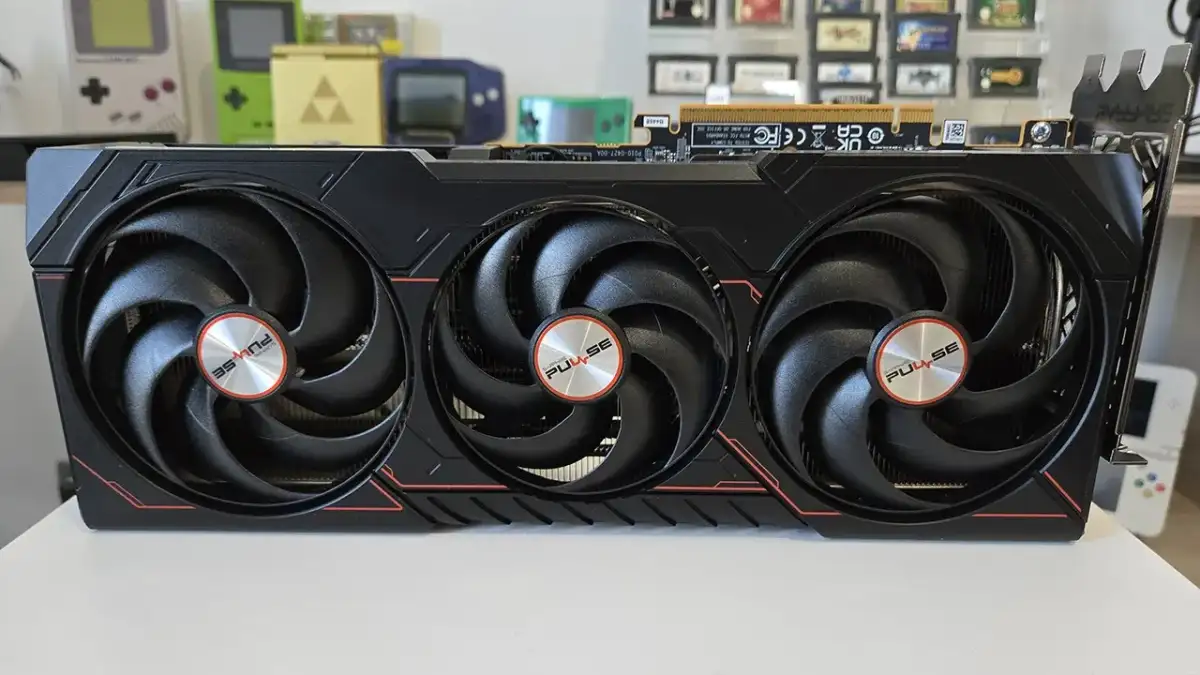
VRAM THE NEW BOTTLENECK
While graphics cards have long been understood as processors designed for visual calculations, freeing up the central processing unit (CPU) for other duties, their role in AI computation highlights a new, data-intensive challenge. The core function of a GPU—handling intricate visual computations—now extends to managing the massive datasets inherent in LLMs. This necessitates a shift in focus, moving beyond raw processing power to consider the sheer capacity of the memory dedicated to these tasks.
Read More: Chrome mimeHandler API lets extensions handle file types
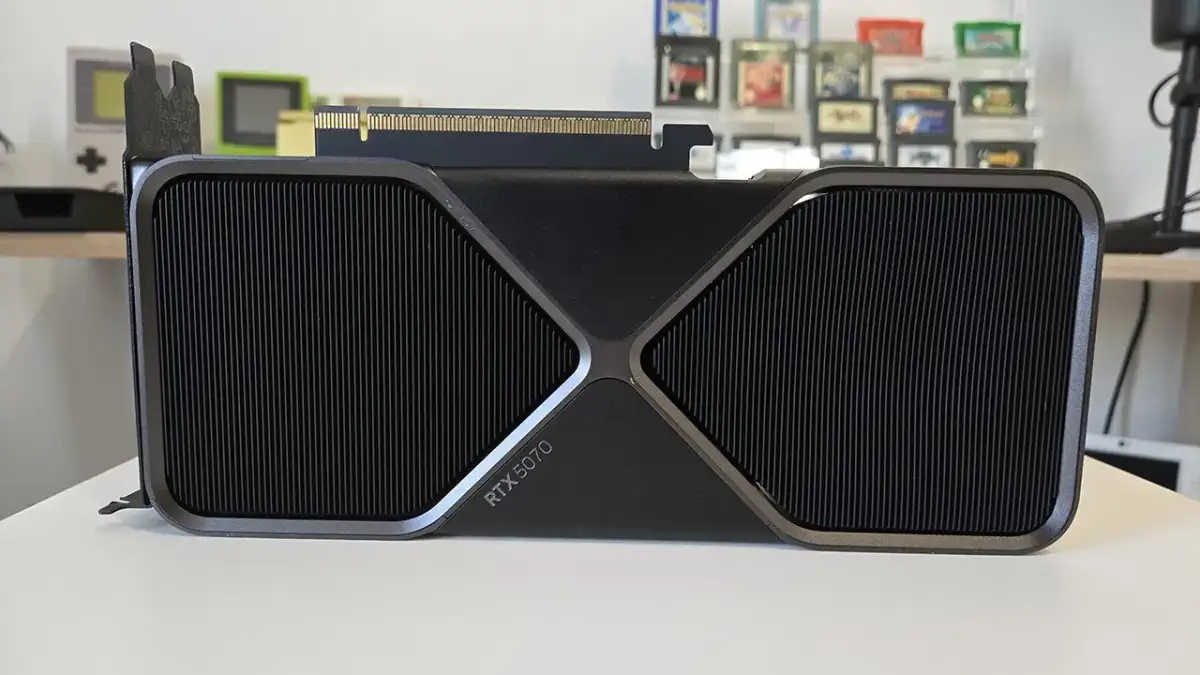
MEMORY SPEEDS AND BUS WIDTH MATTER
Beyond just the quantity of VRAM, the type and bandwidth of the memory are becoming paramount. Manufacturers are navigating a landscape where memory technologies like GDDR6 and the newer, faster GDDR7 are crucial differentiators. The width of the memory bus, measured in bits (e.g., 128-bit, 256-bit), directly influences how quickly data can be accessed and processed, impacting overall LLM performance.
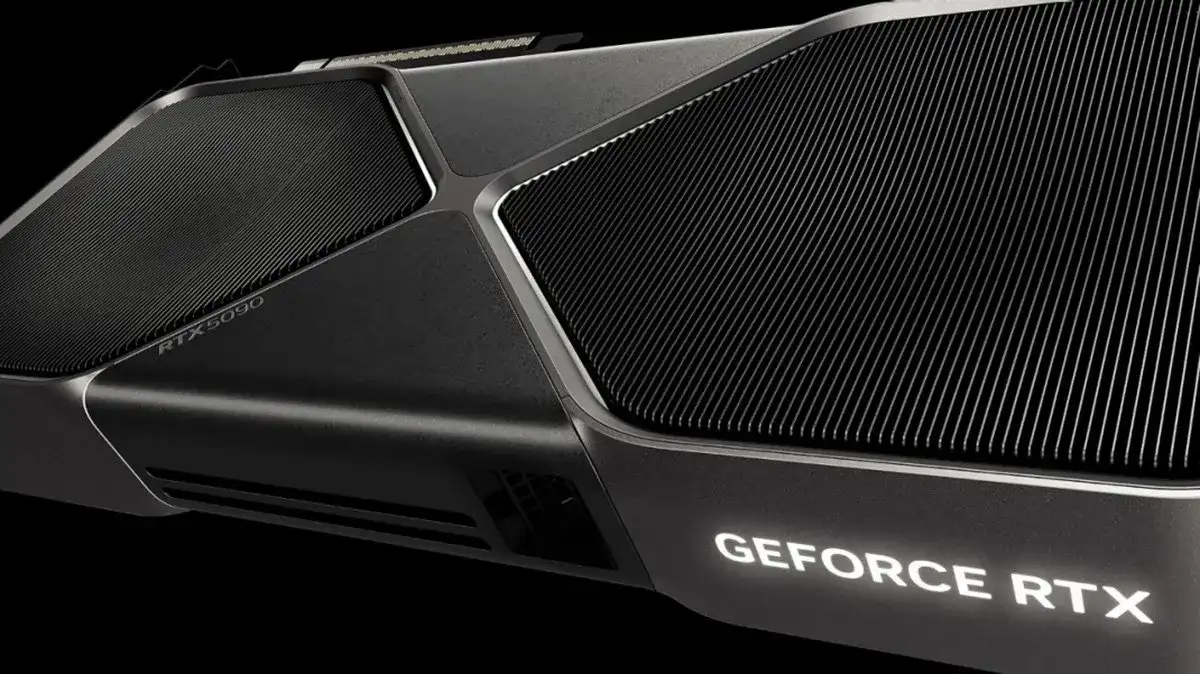
HARDWARE CONSIDERATIONS FOR AI
Selecting a graphics card for local LLM deployment involves a multi-faceted approach, touching on several key specifications:
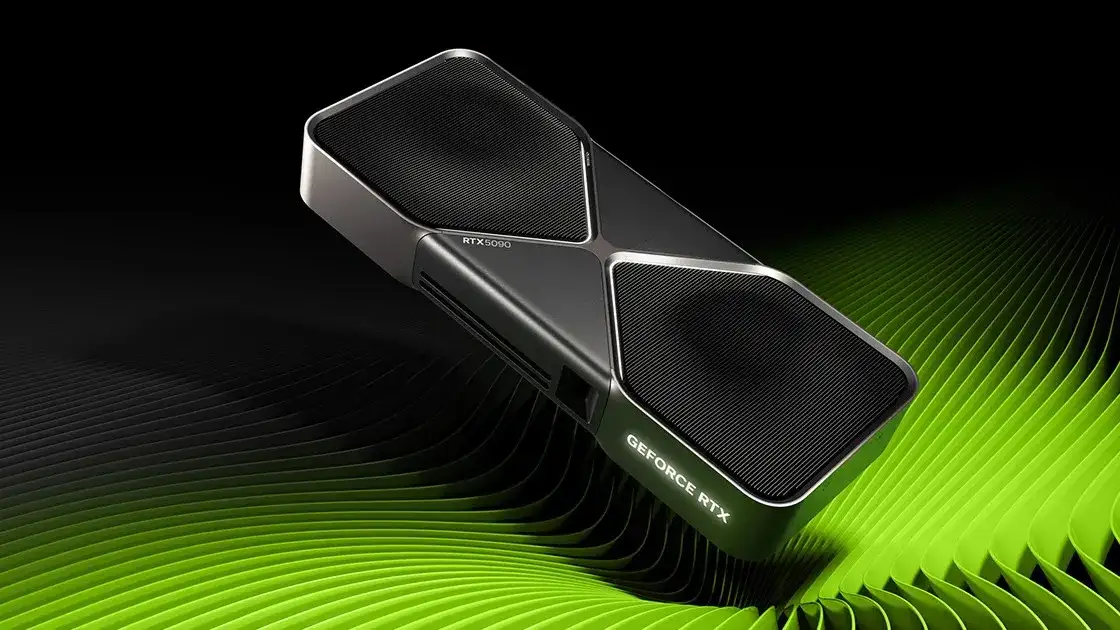
VRAM Capacity: The primary concern for many, dictating the size and complexity of LLMs that can be run.
Memory Type and Bandwidth: GDDR6 and GDDR7, coupled with memory bus width, directly affect data throughput.
Power Consumption (TDP): More powerful GPUs, especially those with ample VRAM, require substantial power and robust cooling solutions. This has implications for the necessary power supply unit (PSU) and overall system stability.
Compatibility: Ensuring the chosen GPU physically fits within the computer case and is supported by the motherboard's interface (e.g., PCIe).
AI-Specific Features: Technologies like NVIDIA's Tensor Cores, often utilized for AI acceleration and upscaling features such as DLSS, can offer an advantage.
TRENDS IN GRAPHICS HARDWARE
The market in mid-2026 sees manufacturers like NVIDIA and AMD offering a range of cards that cater to both gaming and emerging AI workloads. Older generations of GPUs are still being considered, often for their cost-effectiveness, with users aiming to leverage software-based performance enhancements. However, the trend points towards hardware with higher VRAM capacities as LLMs become more sophisticated and accessible for local use. The power draw for high-end cards, often exceeding 300W with recommended PSUs of 750W or more, underscores the significant energy and thermal management requirements.
Read More: New AI Method Maps API Logic for Safety by April 7, 2026