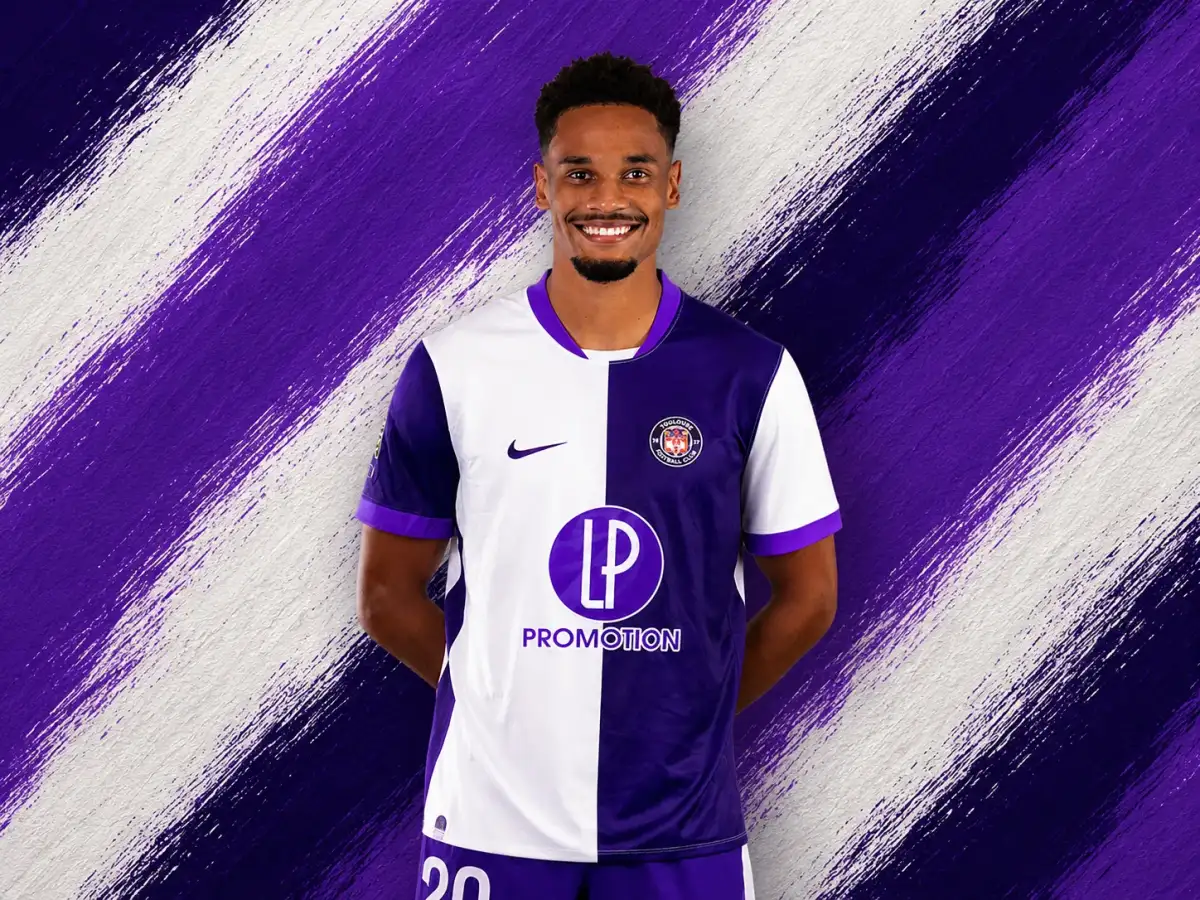
Liverpool remains locked in a repetitive cycle of scouting defensive midfielders, attempting to replicate the successful 2018 acquisition of Fabinho from AS Monaco. As the transfer window approaches, internal discussions prioritize finding a ‘natural heir’—a holding midfielder capable of breaking up opposition transitions while maintaining high passing proficiency.
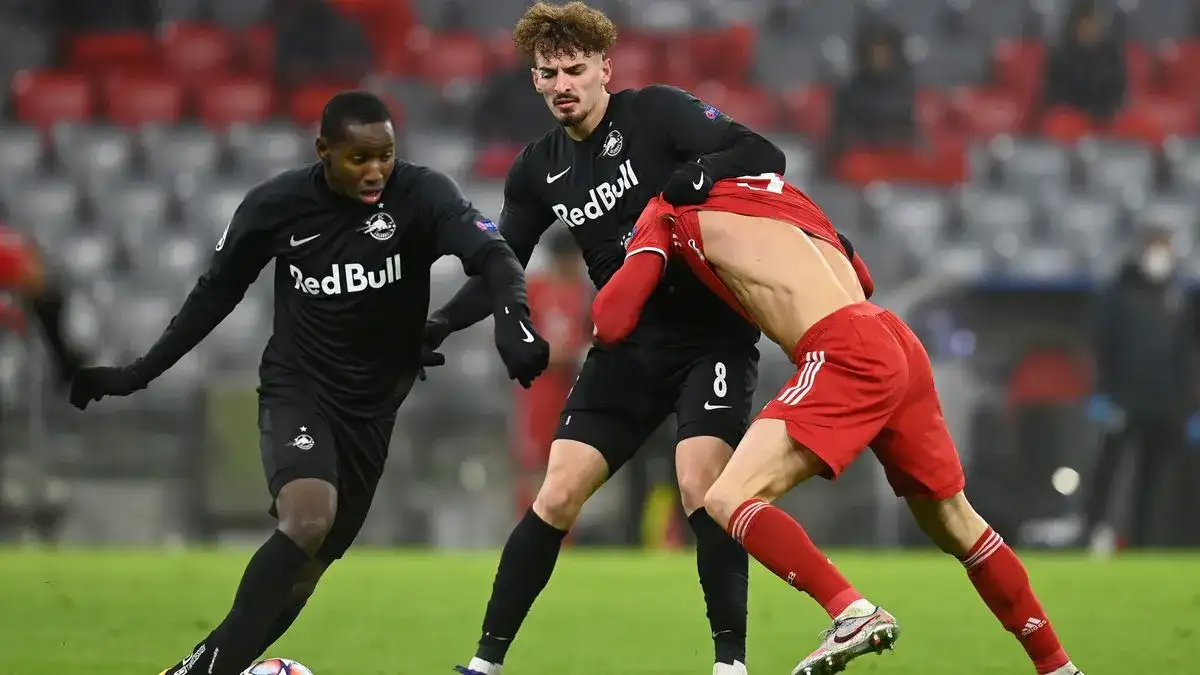
Current scouting data emphasizes ball-winning metrics, with interest centering on midfielders capable of achieving high interception volumes and possession-adjusted defensive outputs.
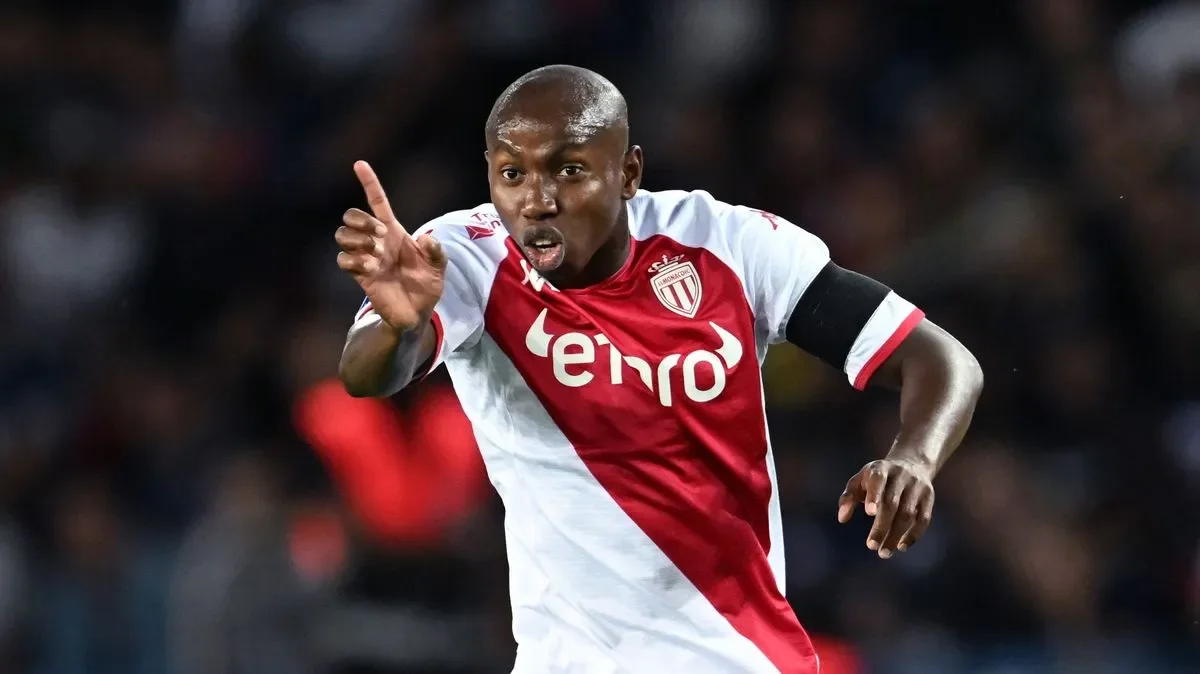
Market Positioning and Targets
The club's recruitment strategy currently evaluates a pool of talent linked to established systems, notably the Red Bull network and high-performing Eredivisie pivots.
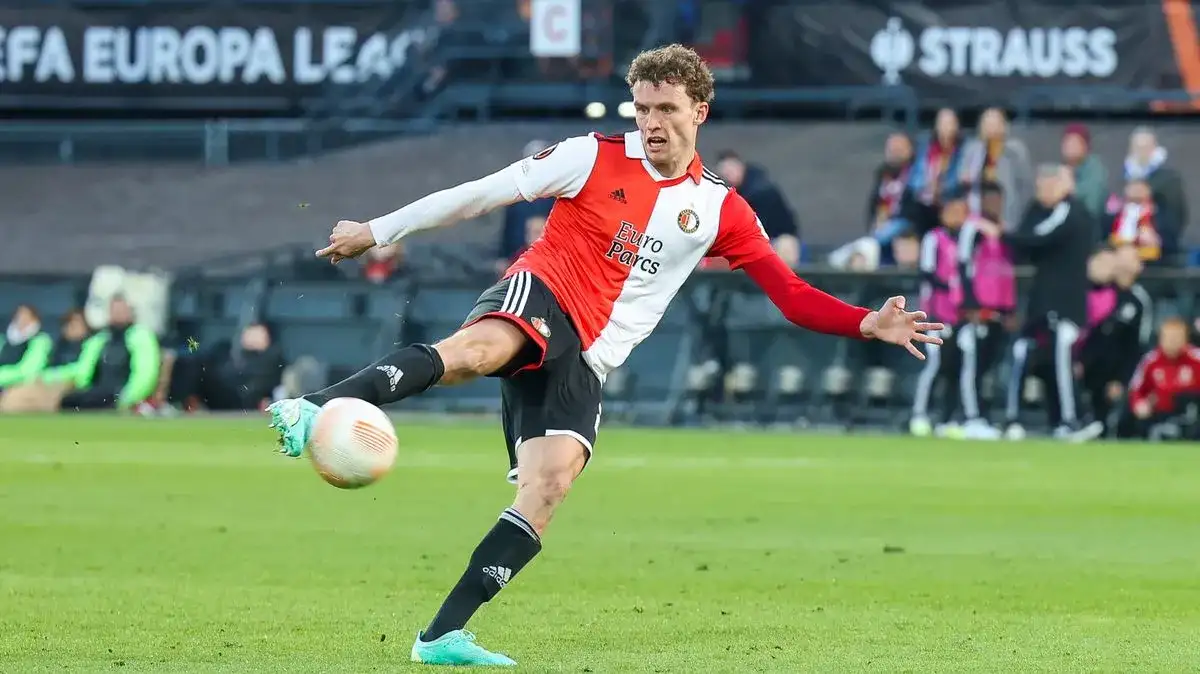
| Potential Target | Known Metrics/Attributes |
|---|---|
| Mohamed Camara | 97th percentile for interceptions; box-to-box versatility. |
| Mats Wieffer | High possession-adjusted interceptions; spindly, physical profile. |
| Adam Wharton | Valued for adaptability and long-term axial positioning. |
| Florentino Luís | High progressive passing and duel success rates. |
The discourse surrounding these acquisitions remains tethered to a perceived need for a definitive 'number six,' a role left partially hollow following the 2023 exodus to the Saudi Pro League.
Recruiters are weighing the risks of 'emergency fixes' against the preference for calculated, long-term investments.
The Myth of the Repeatable Trick
The internal logic—often surfaced in media discourse—suggests that if Liverpool identifies a player who mirrors Fabinho’s physical and tactical profile, they can retroactively stabilize the squad’s defensive transition. This reflects a wider, somewhat reflexive institutional reliance on past successful models to address modern gaps.
Read More: Man Utd Stalls Lewis Hall Transfer to Prioritize Midfield Signings
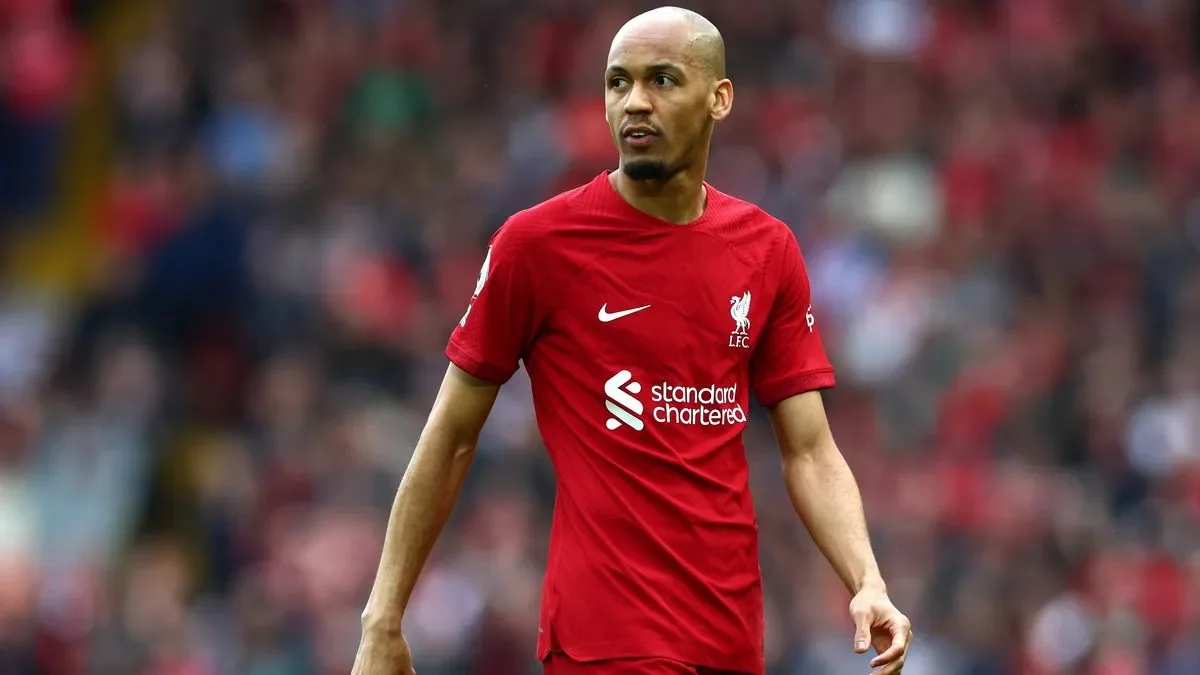
While proponents point to the successful integration of players like Dominik Szoboszlai as evidence that specific recruitment 'pathways' (such as the Red Bull system) yield immediate tactical compatibility, other sectors of the support base remain critical. History shows that even with intensive data profiling—as seen with previous interest in Aurélien Tchouaméni or Roméo Lavia—the conversion of potential into sustained on-field output is rarely linear.
Historical Context
Fabinho arrived in 2018 as a centerpiece of a defensive reorganization. His departure left a vacuum that previous strategies, including the temporary reliance on players like Wataru Endō and the pursuit of alternatives such as Sofyan Amrabat or Florentino Luís, have only partially mitigated. The current search for a successor is less about a single player and more about resolving the systemic unease regarding the midfield axis that has persisted since the 2022-23 season.
Read More: Everton and Fulham Want Nico Gonzalez from Juventus