A cloud of significant internal strife is currently casting a shadow over Australia's Liberal Party, with senior figures openly discussing an "existential crisis" and "irrelevance" following a series of poor polling results and a recent rupture within the Coalition. This period of intense scrutiny is compounded by the arrival of Israeli President Isaac Herzog in Sydney, an event marked by planned protests. The party's leadership, particularly Opposition Leader Sussan Ley, is under substantial pressure, prompting discussions about potential leadership challenges and the very future of the Liberal Party's standing in the political landscape.
The present situation within the Liberal Party is characterized by deep divisions and a palpable sense of unease. Senator Jane Hume has articulated a stark assessment, stating the party is "now at irrelevance" and facing an "existential crisis" in the wake of dire Newspoll figures. This sentiment is echoed by other observers who describe the party as a "rabble." The Liberal Party's recent struggles are occurring against a backdrop of the Israeli President's visit to Sydney, which has drawn significant security measures and planned demonstrations.
Read More: Government Won't Say Who Top Civil Servant Is, Causing Confusion
Political Realignments and Leadership Pressure
The Liberal Party, alongside its Coalition partner, the Nationals, has recently navigated a period of significant tension. The Coalition's unity was tested when three Nationals MPs crossed the floor on Labor's hate speech laws, an action that led to a temporary breakup of the alliance.
Coalition Discord: The Nationals leader, David Littleproud, initially stated his party would not serve under Sussan Ley's leadership. This stance created a significant rift, with Ley reportedly setting a deadline for the Nationals to rejoin.
Reunification Under Pressure: While the Coalition has since reunited, the terms of this reunification remain a point of contention, with Littleproud having to explain his shift in position. Ley has been working to maintain party unity while facing pressure over her leadership.
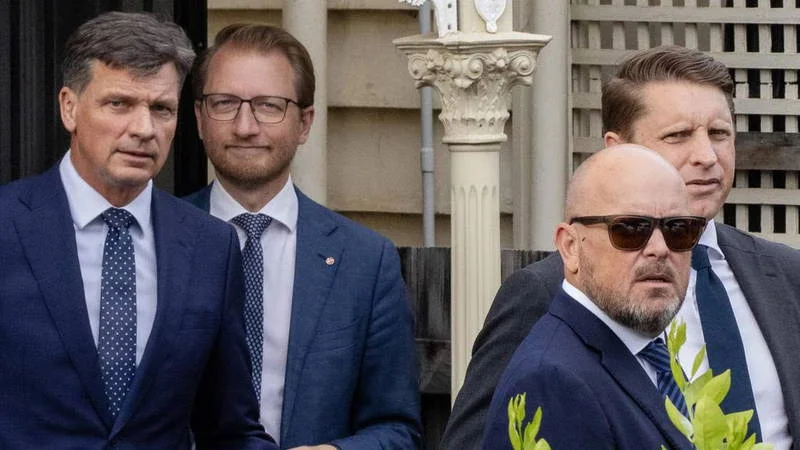
Leadership Speculation: Sussan Ley is reportedly facing suggestions of a leadership challenge, with Angus Taylor being named as a potential contender. Ley has dismissed immediate challenge talk, stating her focus is on holding the government accountable.
Polling Woes: Newspoll results have indicated a substantial drop in support for the Coalition, with primary votes reported as low as 18%, falling behind One Nation. Ley has been identified in these polls as the most unpopular major party leader in 23 years.
Hume's Scathing Assessment and Internal Critique
Senator Jane Hume has been particularly vocal in her criticism of the Liberal Party's current standing, offering a grim prognosis.
Read More: Superquiz Puzzles Are Still Available for Subscribers
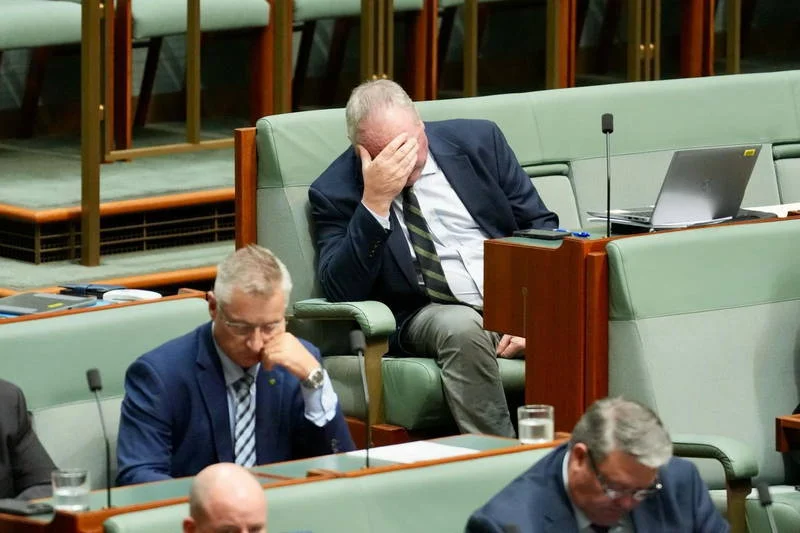
"Irrelevance" and "Existential Crisis": Hume's statements to Sky News, as reported by The Guardian, highlight a deep concern about the party's electoral prospects, suggesting a loss of political significance.
Critique of Party Structure: Earlier reports from January 2023, stemming from a review co-authored by Hume, identified factors contributing to past election losses. These included the party's vote being weakest among younger women and a general perception of "scandal, disunity and instability." The review also pointed to challenges in persuading party membership on strategies for returning to government.
Capacity to Govern Alone: In a separate report from The Nightly, Hume is cited as suggesting the Liberals do not necessarily need Coalition partners to govern, a statement that could indicate a shift in strategic thinking or a response to the current partnership's instability.
Economic Undercurrents: Inflation and Interest Rates
While the political landscape is dominated by internal party matters, broader economic concerns are also in focus. The Reserve Bank of Australia (RBA) Governor, Michele Bullock, has flagged potential future interest rate hikes, linking them to government spending and demand pressures.
Read More: Bangladesh Votes in First Election After Big Protests
Inflation Warning: Governor Bullock has indicated that government spending is contributing to inflation and warned of further rate increases if demand does not slow.
Bank Forecasts: Following Bullock's testimony, Westpac has predicted a rate hike in May, citing stronger-than-expected demand fueling inflation. This follows a recent 0.25 basis point increase.
Impact on Borrowers: The RBA chief has acknowledged that rate hikes present a "challenge" for borrowers, a sentiment echoed by Governor Bullock's understanding of public disappointment with rising repayments.
The Israeli President's Visit to Sydney
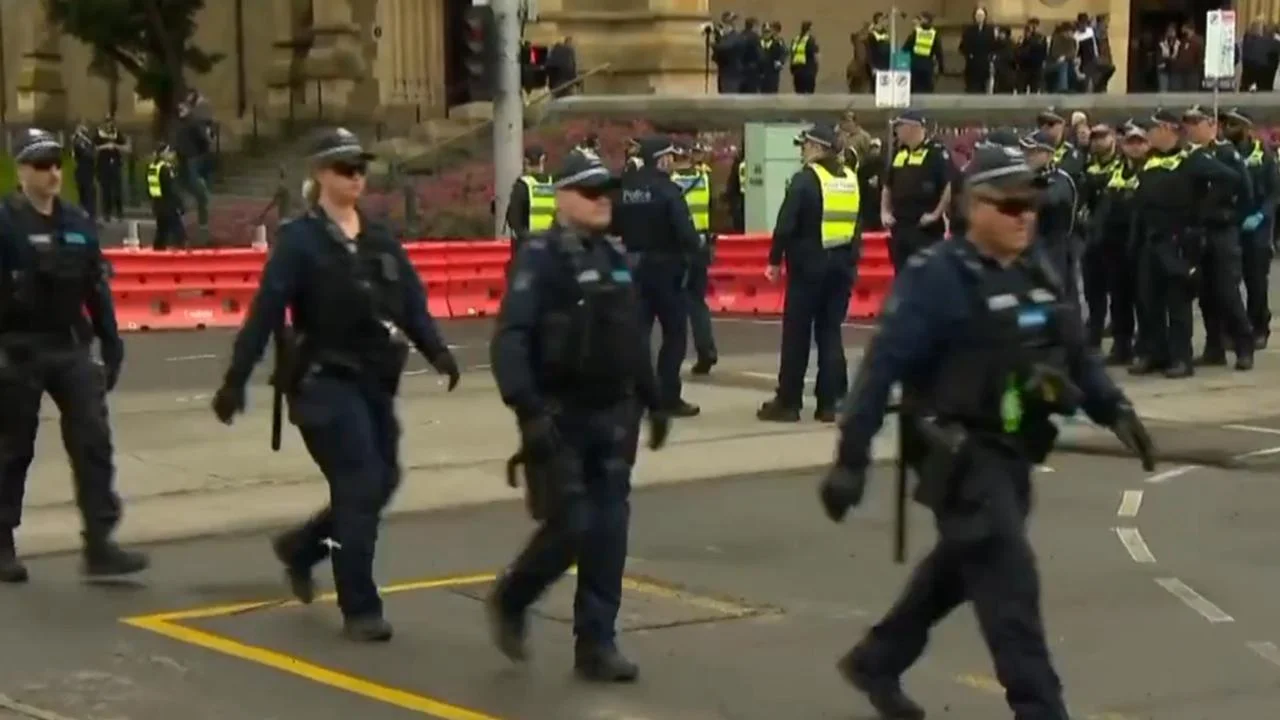
The arrival of Israeli President Isaac Herzog in Sydney is a significant event, accompanied by a substantial security operation involving approximately 3000 police.
Protests Planned: The visit is anticipated to be met with planned protests, with groups like the Palestine Action Group repeating calls for Herzog's arrest.
Calls for Unity: NSW Premier Chris Minns has emphasized the importance of the visit for fostering unity within Sydney and has encouraged respectful disagreement.
Security Measures: The large police deployment underscores the sensitivity and security considerations surrounding the presidential visit.
Leadership Challenges and Coalition Dynamics
The ongoing pressure on Sussan Ley's leadership is a central theme. Reports suggest that Angus Taylor's name is being circulated as a potential challenger.
Read More: Protests in Melbourne During Israeli President's Visit
Taylor's Stance: Angus Taylor has been reportedly coy about his intentions regarding a leadership challenge, while Ley maintains her focus on opposition to the current government.
Nationals' Position: David Littleproud has commented that the Nationals needed a break from the Coalition, indicating ongoing strategic re-evaluations within the allied parties.
Despair Over Polling: Some Liberals are reportedly contemplating leadership changes due to the "disastrous poll" results, which have placed the Coalition behind One Nation.
Analysis of Liberal Party Weaknesses
The Liberal Party's struggles are not entirely new, with analyses pointing to demographic shifts and internal issues.
Demographic Challenges: A review from early 2023 highlighted that the Liberal Party's vote was weakest among women aged 18 to 34, and that this demographic was less likely to become more conservative with age.
Internal Divisions: Underlying divisions within the Coalition are seen as a significant impediment to its ability to effectively challenge the government on policy matters like housing and tax.
Calls for Reform: Some internal voices, like Senator Hume, have advocated for measures such as a fundraising levy to support female candidates, aiming to address a perceived imbalance and improve representation.
Conclusion and Future Implications
The Liberal Party finds itself at a critical juncture, facing a dual challenge of internal disunity and severely weakened public support. Senator Jane Hume's assessment of "irrelevance" and an "existential crisis" underscores the gravity of the situation. The recent reunification of the Coalition, while appearing to restore a semblance of unity, has occurred under strained circumstances, with leadership questions persisting. The party's ability to navigate these challenges will be a decisive factor in its future electoral viability.
Read More: Big Tech Money Fights AI Rules in US Elections
The economic backdrop, with inflation and potential interest rate hikes, adds another layer of complexity, potentially influencing voter sentiment. Simultaneously, the high-profile visit of Israeli President Isaac Herzog highlights the intersection of domestic politics with international relations and community sensitivities in Australia. The coming weeks are likely to be crucial for the Liberal Party as it grapples with its internal dynamics and the broader political environment.
Sources Used:
The Guardian: "Australia politics live: Liberals face ‘existential crisis’, Jane Hume says; Israeli president arrives in Sydney"
Published: 1 hour ago
The Age: "Australia news LIVE: Israeli president arrives in Sydney as court challenge looms; Coalition unites again"
Published: 31 minutes ago
The Nightly: "Bank predicts next rate hike after Bullock spending warning" (Includes information on Hume's comments)
Published: 3 days ago
ABC News: "Liberals despair at prospect of 'non-existence' and weigh leadership change"
Published: 31 minutes ago
SBS News: "Nationals offer to spend two weeks off frontbench as deadline for Coalition reunion expires"
Published: 3 days ago
The Guardian: "Greens senator claims One Nation the party of ‘billionaires, not battlers’ – as it happened"
Published: 4 days ago
The Guardian: "Man charged over allegedly giving Nazi salute to Jewish students at Melbourne airport – as it happened"
Published: 6 days ago
The Sydney Morning Herald: "Senator calls for a Liberal Party fundraising levy to ‘give women a chance’"
Published: January 7, 2023
ABC News: "Hastie and Taylor meet in attempt to resolve Liberal leadership — as it happened"
Published: 2 weeks ago
Link: https://www.abc.net.au/news/2026-01-29/federal-politics-live-littleproud-leadership-spill/106280236
ABC News: "Pauline Hanson returns to Senate seat after seven-day suspension — as it happened"
Published: 4 days ago
Link: https://www.abc.net.au/news/2026-02-05/federal-politics-live/106305974
AFR: "Australian politics live: Israeli President Isaac Herzog arrives in Australia, Sydney protests planned"
Published: 3 hours ago
The Sydney Morning Herald: "Politics | Federal State & International Politics Breaking News & Analysis" (General page, used for context on Coalition divisions and Herzog's visit)
The Conversation: "Australian politics" (General page, used for context on Liberal party's situation)
Published: 4 days ago
Link: https://theconversation.com/topics/australian-politics-32
The Nightly: "Perth terror suspect allegedly viewed ‘pro-white material’" (Includes Littleproud's comments on Ley's deadline)
Published: 4 days ago
ABC News: "Live: 'We are a rabble': Hume's scathing assessment of Coalition"
Published: 3 hours ago
Read More: Many Protests Happen in Australian Cities