OPEN DOOR POLICY REDUCES MACHINE DECAY
Leaving the washing machine door ajar after a cycle appears to be a widely overlooked step that, according to various appliance "experts" and repair technicians, can forestall the insidious growth of mold and mildew within the machine's confines. This simple deviation from the common habit of closing the door immediately after use aims to allow trapped moisture, a byproduct of every wash, to dissipate. The prolonged presence of this dampness is identified as the primary culprit behind unpleasant odors and potential long-term degradation of internal components.
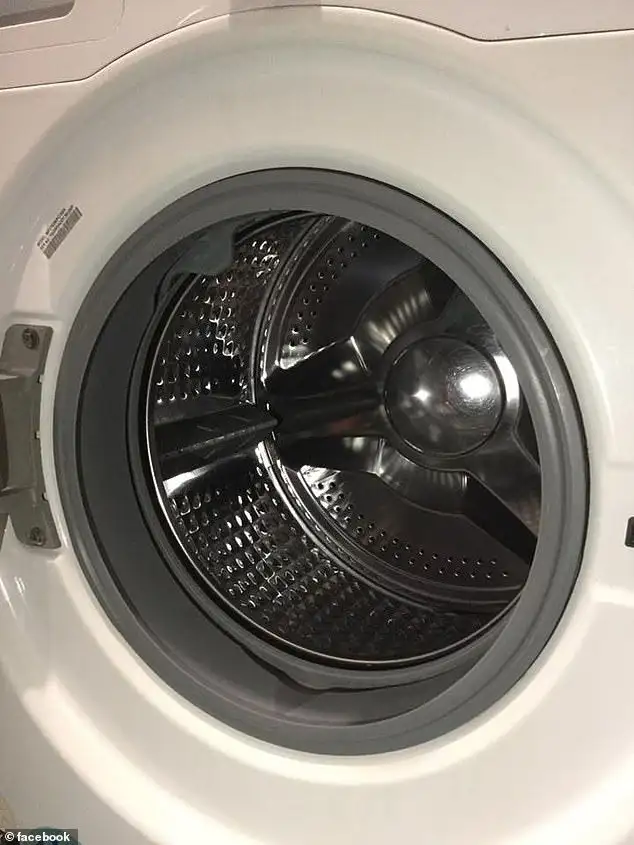
MOISTURE'S MOLDY LEGACY
The persistent warmth and humidity left behind in the drum after a wash cycle, when sealed within a closed door, creates an environment conducive to the proliferation of mold and mildew. This not only impacts the machine's olfactory output, making laundry days a less fragrant affair, but also, over time, poses a risk to the machine's operational integrity. Appliance specialists suggest that this practice is particularly pertinent for front-loading models, where the door's seal can more effectively trap residual dampness.
Read More: Dyson handheld fan costs $399, offering powerful airflow for portability
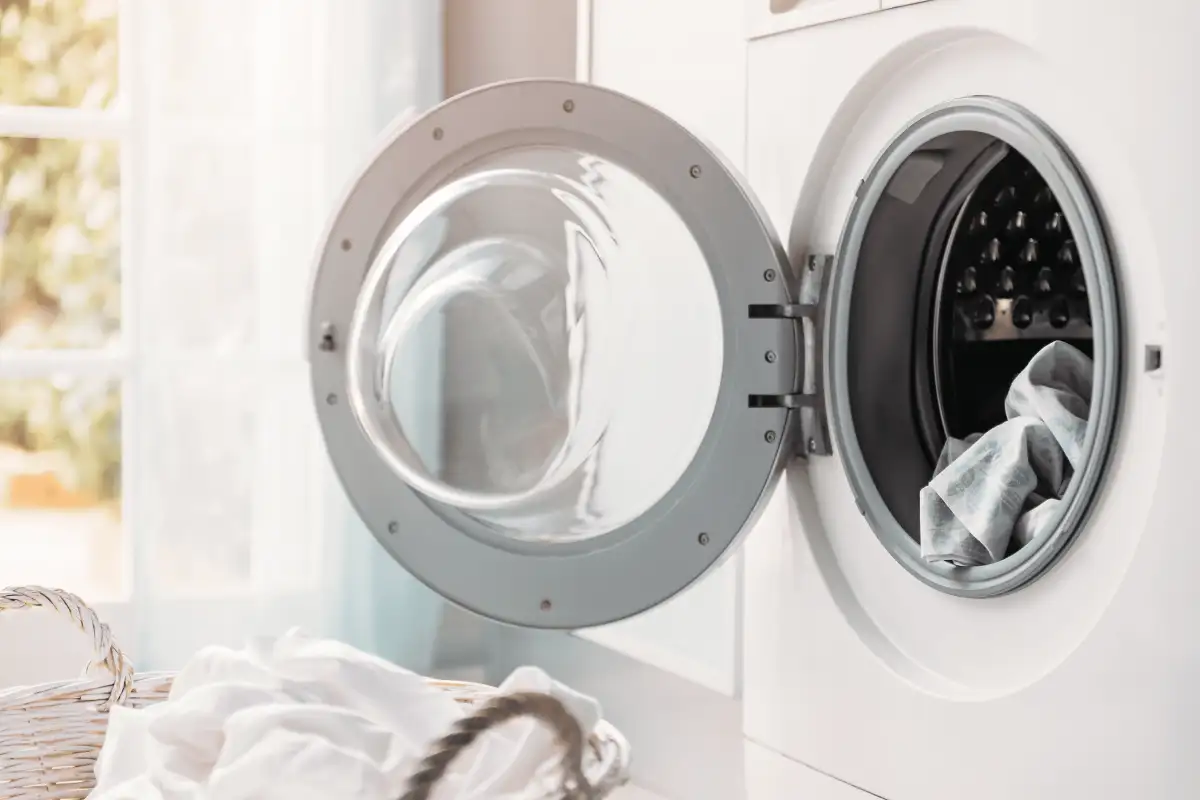
PREVENTATIVE MEASURES AND MATERIAL CONSIDERATIONS
Beyond leaving the door open, routine cleaning of the rubber gasket, especially in front-loaders, is advised to actively remove moisture. Suggestions for periodic deep cleaning of the machine itself, employing agents like bleach or vinegar, are also circulated, though specific methods and their efficacy are subject to differing opinions and manufacturer guidelines. The long-term benefits cited by proponents of this open-door policy include an extended appliance lifespan and a more consistently fresh-smelling machine.
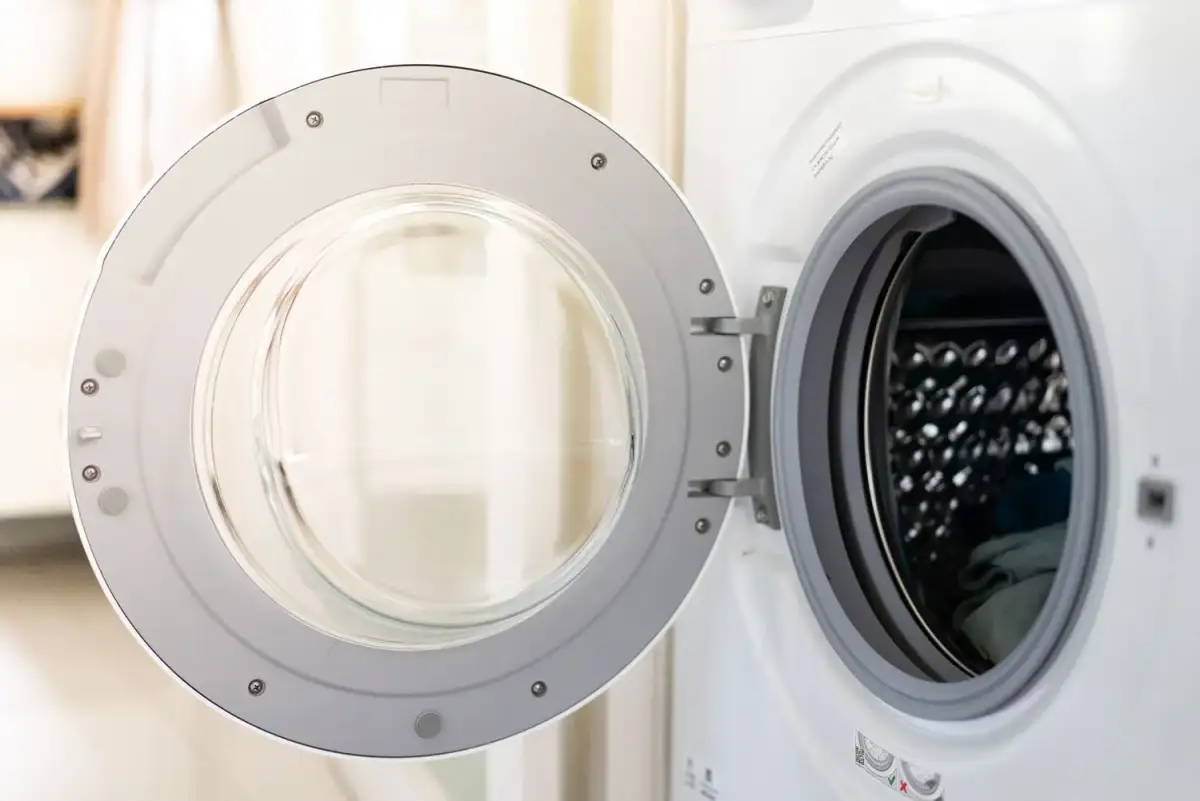
THE UNSEEN DAMAGE OF SEALED SPACES
The core of the argument rests on the principle that a closed washing machine door traps warm water, which then festers. Repair personnel often report encountering this issue during service calls. This accumulation of moisture and its subsequent decay can lead to a host of problems, from superficial grime to more substantial internal damage, potentially necessitating costly repairs. The consistent application of this 'open door' strategy is presented as a straightforward, preventative measure against such outcomes.
Read More: Ram truck brake light leak and appliance store price matching

HISTORICAL CONTEXT AND EXPERT INTERPRETATIONS
While the notion of leaving appliance doors open for ventilation is not entirely novel, its specific application to washing machines has resurfaced in various media outlets, often attributed to "experts" or individuals with practical experience in appliance repair. The consistency across multiple publications, despite varied publication dates, suggests a recurring theme in appliance maintenance discourse. The emphasis on 'front-load' machines highlights a perceived difference in vulnerability between appliance types.