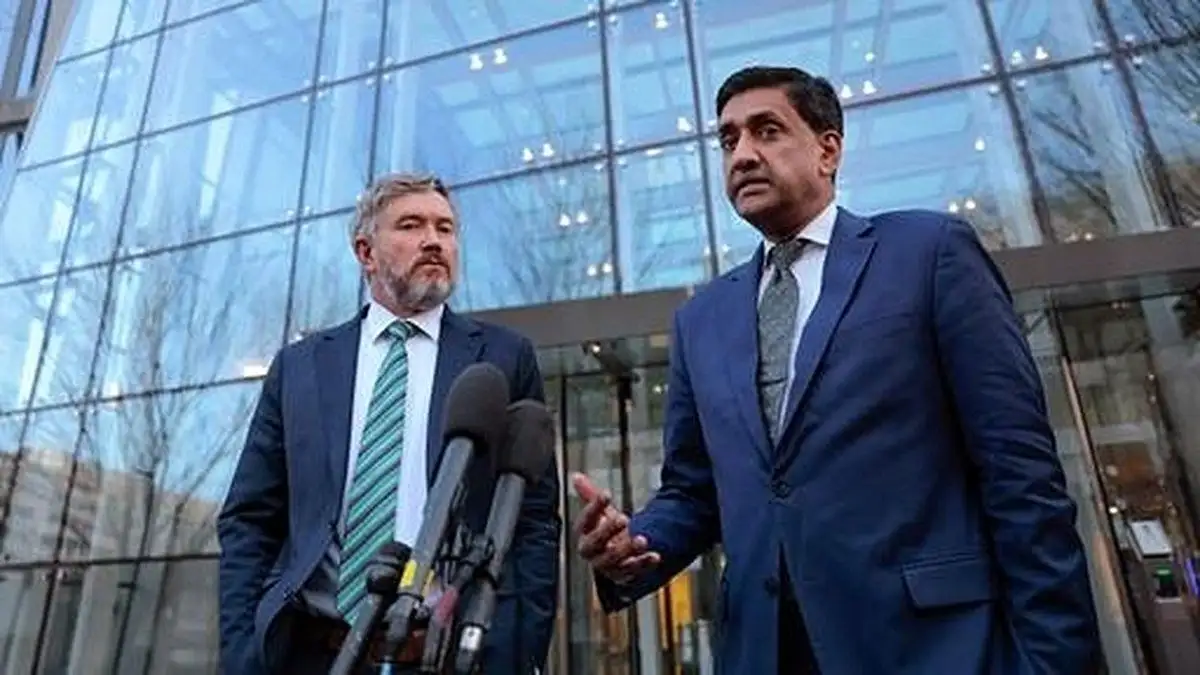
Recent events have brought renewed focus to the unredacted documents pertaining to Jeffrey Epstein's associates. US Representatives Ro Khanna and Thomas Massie have publicly revealed the identities of six individuals whose names were previously concealed within these files. This action has amplified existing debates surrounding the extent of redactions made by the Department of Justice (DOJ) and the overall transparency of the release process. The lawmakers' statements suggest that the redactions were applied without clear justification, leading to concerns about whether powerful figures were intentionally shielded from public view.

Unveiling Redacted Identities
Following a review of unredacted Epstein files at the Department of Justice (DOJ), Representative Ro Khanna (D-CA) publicly disclosed the names of six individuals whose identities were initially suppressed. This disclosure occurred on the House floor and via social media, alongside Representative Thomas Massie (R-KY). The six individuals named are:
Read More: US 250th Anniversary on July 7, 2026, sees 20% not celebrating
Leslie Wexner: Founder of Victoria's Secret.
Sultan Ahmed bin Sulayem: CEO of Dubai-based DP World.
Salvatore Nuara: Described in some reports as a former NYPD contact.
Zurab Mikeladze: Little is known about his connection to Epstein.
Leonic Leonov: Little is known about his connection to Epstein.
Nicola Caputo: Previously identified as a former European Parliament member.
Khanna stated that these names were redacted for "no apparent reason," and Massie echoed these concerns, questioning why it took their personal review to bring these identities to light.
The Redaction Debate
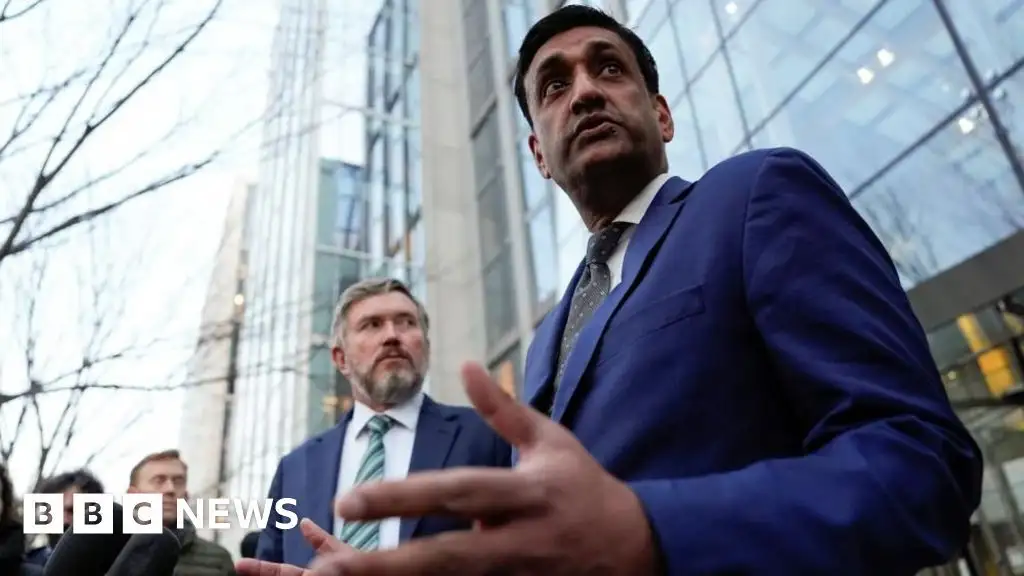
The redactions in the Epstein files have been a point of contention. While the DOJ has stated it is committed to transparency, lawmakers like Khanna and Massie have accused the department of "inappropriately" redacting information.
Lawmaker Claims: Representatives Massie and Khanna, who co-sponsored legislation to compel the release of these files, viewed unredacted materials. They reported finding approximately 70-80% of the files still redacted, despite legal mandates for public release with limited exceptions.
DOJ Response: Following the lawmakers' public comments, the DOJ partially unredacted some documents. Deputy Attorney General Todd Blanche stated on social media that the department is committed to transparency and noted that at least one instance of redaction, initially identified as a name, was an email address. In another instance, a name that appeared elsewhere in the files was uncovered after Massie highlighted it.
Victim Advocates' Concerns: Lawyers representing Epstein's victims have also raised issues, suggesting that their clients' names were not properly redacted before public release in some instances, potentially exposing them to identification. Conversely, some materials related to potential victims were found to remain redacted.
Context of the Files Release
The release of documents related to Jeffrey Epstein has been an ongoing process, subject to legal challenges and public scrutiny. These files are intended to shed light on his sex-trafficking network and identify potential associates or co-conspirators.
Legal Mandate: A law, co-sponsored by Massie and Khanna, compelled the public release of these files, with specific provisions for redaction of certain sensitive information.
Review Process: Lawmakers, including Democrats Jamie Raskin and Lauren Boebert, were granted access to view unredacted versions of the documents in a DOJ reading room. These viewings came with strict rules, including no electronic devices and the need for advance notice.
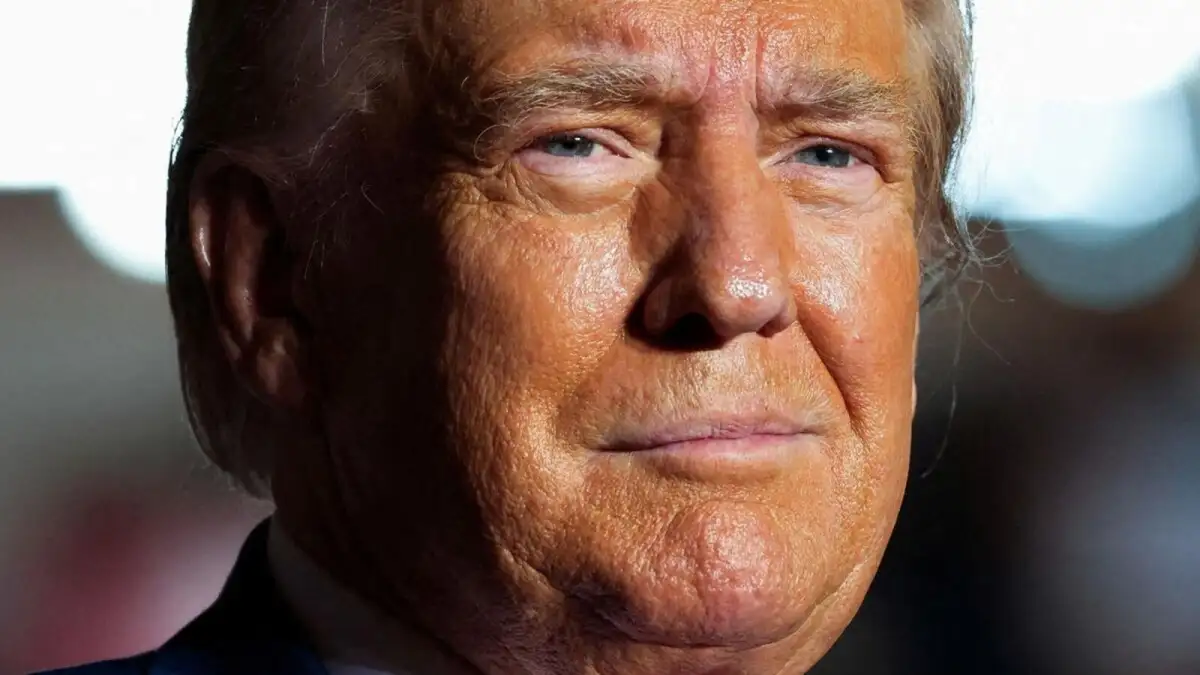
Information Revealed: Beyond the names of the six individuals, other details have emerged, including references to figures such as former President Donald Trump, though the extent and nature of these mentions are subjects of ongoing discussion. One individual, Gary Lutnick, reportedly admitted to having lunch with Epstein on his private island.
Broader Implications and Unanswered Questions
The actions of Representatives Khanna and Massie have reignited discussions about accountability and the role of government transparency in high-profile investigations.
Read More: Third Teen Charged in Fatal Stabbing Near Melbourne Hospital on Wednesday
Accountability: Khanna emphasized the need for accountability for individuals implicated in Epstein's activities, regardless of their standing in government, finance, or technology.
Scope of Redactions: The assertion that key individuals were "hidden for no apparent reason" suggests a potential for unwarranted concealment, prompting further inquiry into the DOJ's redaction policies and their application in this case.
Further Investigation: The fact that only a fraction of the files are publicly available, and that even reviewed documents contain significant redactions, indicates that the full scope of Epstein's network and the extent of involvement by others may still be obscured. The DOJ has stated that some files were temporarily removed for redaction of names they initially missed.
The ongoing revelations underscore the complex interplay between the public's right to know and the legal requirements for protecting sensitive information.
Sources
The Guardian: Published 9 hours ago. Focuses on lawmakers' actions and naming of individuals.🔗 https://www.theguardian.com/us-news/2026/feb/10/thomas-massie-epstein-files-redacted-names🔗 https://www.theguardian.com/us-news/2026/feb/10/six-men-epstein-files-unredacted
Global News: Published "Published". Provides a video link related to the story.🔗 https://globalnews.ca/video/11662088/epstein-files-rep-ro-khanna-exposes-6-powerful-men-whose-names-were-redacted/
AA.com.tr: Seen on Brave. Reports on US lawmaker revealing identities.🔗 https://aa.com.tr/en/americas/us-lawmaker-reveals-identities-of-6-wealthy-powerful-men-in-epstein-files/3826338
CBS News: Published 6 hours ago. Discusses Khanna's findings and DOJ actions.🔗 https://www.cbsnews.com/news/massie-khanna-epstein-files-6-men/
Scripps News: Published 11 hours ago. Names the six individuals as per Khanna.🔗 https://www.scrippsnews.com/us-news/crime/epstein-files/rep-ro-khanna-names-6-individuals-whose-names-were-redacted-in-epstein-files
Evrim Ağacı: Seen on Brave. Discusses shielded individuals and transparency concerns.🔗 https://evrimagaci.org/gpt/epstein-files-reveal-six-powerful-men-still-shielded-528082
BBC News: Published "Published". Reports on lawmakers' accusations against the DOJ.🔗 https://www.bbc.com/news/articles/cn5gzepnw4lo
ABC News Australia: Published 3 hours ago. Focuses on Khanna revealing names and lawmaker's statements.🔗 https://www.abc.net.au/news/2026-02-11/ro-khanna-reveals-names-redacted-from-epstein-files/106331712
CGTN: Published "Published". Congressman reveals redacted names and calls for accountability.🔗 https://newsus.cgtn.com/news/2026-02-11/Congressman-reveals-six-redacted-names-in-the-Epstein-files-1KFm9AKA8us/p.html
Newsweek: Published 14 hours ago. Discusses the six redacted potential co-conspirators.🔗 https://www.newsweek.com/who-are-6-redacted-potential-co-conspirators-in-epstein-files-what-we-know-11498662
NBC News: Published 1 day ago. Covers members of Congress viewing unredacted files.🔗 https://www.nbcnews.com/politics/trump-administration/live-blog/trump-congress-dhs-ice-immigration-epstein-files-doj-live-updates-rcna257949
New Republic: Published 1 day ago. Details Ro Khanna reading out redacted names.🔗 https://newrepublic.com/post/206411/ro-khanna-reads-redacted-names-epstein-files-house-floor
TIME Magazine: Published 12 hours ago. Reports on redactions removed after public reaction.🔗 https://time.com/7373333/epstein-files-redactions-massie-khanna-trump/
USA Today: Published 12 hours ago. Lawmakers find more suspected accomplices.🔗 https://eu.usatoday.com/story/news/politics/2026/02/10/epstein-files-suspects-redacted-documents/88603065007/

/cloudfront-ap-southeast-2.images.arcpublishing.com/nzme/RVI7RFHOI34HTKKRUG3LS6DNVY.jpg)