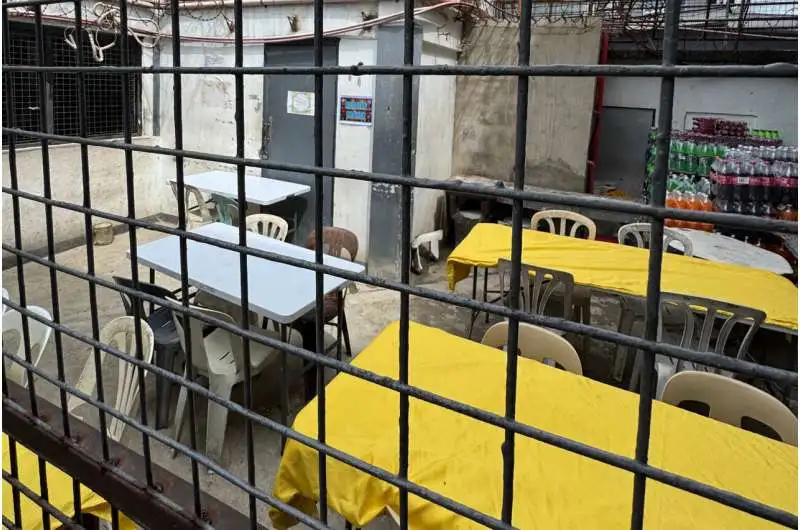
A troubling reality is unfolding within Philippine correctional facilities, marked by extreme overcrowding, sensory overload, and violent altercations. These issues are not isolated incidents but rather interconnected elements of a system grappling with systemic challenges. The stark contrast between the intended capacity of jails and their actual inmate populations points to a critical failure in managing the penal system, creating an environment where "silent violence" – the pervasive harm experienced through overwhelming sensory input and confinement – can flourish, occasionally erupting into fatal physical confrontations.
Overcrowding and Its Consequences
Caloocan City Jail, situated in the National Capital Region, exemplifies the dire conditions. Designed to house fewer than 200 individuals, it currently strains under the weight of approximately 1,900 inmates. This disparity, more than tenfold the intended capacity, creates a breeding ground for tension and distress. The Bureau of Jail Management and Penology spokesman, Xavier Solda, confirmed the significant overcrowding in this facility.
Read More: Philippines uses Starlink satellites for cell service
This pervasive overcrowding has been linked to tangible acts of violence. A recent deadly brawl at Caloocan City Jail, which involved rival gangs, resulted in casualties. Solda indicated that the incident escalated from an initial dispute between two inmates. The investigation into the exact causes is ongoing.
This event is not an anomaly. Earlier in January 2022, a similar incident at New Bilibid Prison in the capital claimed the lives of three inmates and left 14 others injured.

The 'Silent Violence' of Carceral Harm
Beyond overt physical conflict, a subtler form of harm is being documented. Researcher Antojado highlights the concept of "silent violence" within the Philippine penal system. This refers to the cumulative suffering inflicted by the carceral environment itself, particularly when confinement overwhelms the senses.
Sensory Overload: The constant, oppressive sensory input within overcrowded jails contributes to a profound sense of distress for inmates.
Frustration with Impunity: Public perception often frames harsh jail conditions as an acceptable consequence of punishment, overlooking the broader implications of harm.
Quest for Meaningful Justice: Antojado raises critical questions about the nature of justice within such a system: what truly reduces harm, upholds equality, and addresses the root causes of crime, rather than merely inflicting suffering?
Contributing Factors Under Examination
While investigations continue into specific violent incidents, certain factors are being considered as potential contributors to the escalating tensions.
Read More: Third Teen Charged in Fatal Stabbing Near Melbourne Hospital on Wednesday
Gang Rivalries: The brawl at Caloocan City Jail involved rival gangs, suggesting that existing power dynamics and conflicts within the inmate population play a significant role.
Pandemic-Related Restrictions: Solda noted that a ban on family visits, implemented since the beginning of the pandemic, may have contributed to the unrest. The isolation and lack of familial support could exacerbate existing stresses within the already strained prison environment.
Expert Analysis
The situation underscores a critical need for penal reform that addresses not only the physical safety of inmates and staff but also the psychological and social dimensions of incarceration. Antojado's call for "sensorially attuned penal reform" suggests that future reforms must acknowledge the full spectrum of harm, including the insidious effects of the carceral environment on sensory experience and overall well-being.
Conclusion and Implications
The persistent overcrowding and outbreaks of violence in Philippine jails present a grave concern. The correlation between extreme population density and lethal incidents is evident. The "silent violence" described by Antojado suggests a deeper, pervasive harm that demands systemic attention. The findings necessitate a multi-faceted approach to reform, encompassing:
Addressing Overcrowding: Implementing strategies to reduce the inmate population in line with facility capacities.
Mitigating Gang Violence: Developing effective de-escalation and conflict resolution programs within correctional facilities.
Re-evaluating Sentences and Release Programs: Exploring alternatives to incarceration where appropriate.
Considering Social Support: Reassessing the impact of policies like visit bans and exploring ways to maintain vital social connections for inmates.
Focusing on Rehabilitation: Shifting focus from punishment alone to programs that address the underlying causes of crime and support successful reintegration into society.
The ongoing investigations into recent violent incidents, coupled with broader calls for reform, indicate a crucial juncture for the Philippine penal system.
Read More: Meteor Seen Over Luzon Volcano
Sources Used:
Phys.org - Baring the 'silent violence' of Philippine jails:
Published: 11 hours ago
Link: https://phys.org/news/2026-02-silent-violence-philippine.html
Summary: Addresses the spectrum of carceral harm and calls for sensory-attuned penal reform, questioning the nature of justice and punishment within overloaded penal systems.
TRT World - Brawl in Philippine prison leaves casualties:
Published: Jan 11, 2022
Summary: Reports on a deadly brawl at Caloocan City Jail due to rival gang activity and severe overcrowding, noting a previous incident at New Bilibid Prison and the potential impact of a ban on family visits.


/cloudfront-ap-southeast-2.images.arcpublishing.com/nzme/RVI7RFHOI34HTKKRUG3LS6DNVY.jpg)