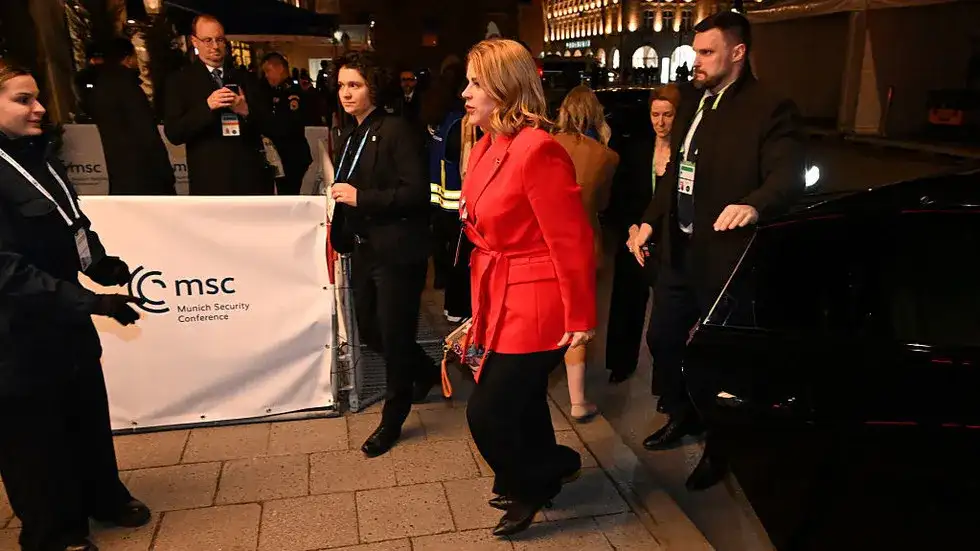
Riga, Latvia – May 14, 2026 – Prime Minister Evika Siliņa has announced her resignation, a move that effectively dismantles Latvia's governing coalition. The collapse follows a week of escalating controversy, notably the handling of multiple drone incursions into Latvian territory, with the Progressives Party, a key coalition partner, withdrawing its support. This political upheaval comes mere months before scheduled October parliamentary elections.
The immediate catalyst for the government's unraveling appears to be the handling of incursions involving drones suspected to be from Ukraine. Siliņa had previously called for the resignation of Defence Minister Andris Sprūds, a member of the Progressives Party, citing a lack of trust and insufficient response to the drone incidents. Sprūds was ultimately forced out last week. The Progressives Party subsequently declared their withdrawal of support, leaving Siliņa's Unity Party without a parliamentary majority.
Read More: Taylor's Tax Plan: Indexing Brackets to Inflation for 2026 Budget Reply
Coalition Strain and Political Maneuvering
The tripartite coalition, which also included an agrarian party, had reportedly been under strain for some time over various issues. Siliņa's resignation letter has been handed to President Edgars Rinkēvičs, who is scheduled to begin consultations with parliamentary factions on Friday to discuss the formation of a new government.
"Latvia's government is collapsing," reports Latvian public service broadcaster LSM.
Despite earlier statements from Interior Minister Rihards Kozlovskis suggesting Siliņa had no intention of resigning, the Progressives' parliamentary faction leader, Andris Suvajevs, indicated on Thursday that a no-confidence vote in Siliņa, if initiated, would lead to the government's fall. Opposition factions were reportedly exploring procedural avenues to expedite a potential no-confidence vote.
Broader Regional Context
The drone incidents, involving aircraft crossing into Latvian territory from the direction of Russia, have heightened regional security concerns. Latvia, alongside neighboring Lithuania, has called for strengthened NATO air defenses on the alliance's eastern flank. Meanwhile, on the international stage, Finnish Prime Minister Petteri Orpo has publicly stated that Ukrainian aircraft entering Finnish airspace is considered unacceptable.
Read More: Coalition proposes automatic tax bracket changes for Australians in 2026
The political turmoil in Latvia unfolds against a backdrop of continued Russian strikes on Ukraine, with reports of casualties and damage to civilian infrastructure in Kyiv.
Background: A Government Under Pressure
Siliņa’s centre-right government had been in power with a narrow majority. The series of drone incursions, culminating in an incident on May 7, where two Ukrainian drones reportedly crashed on Latvian territory after crossing the Russian border, placed significant pressure on the administration. The Defence Minister's removal was seen as an attempt to stabilize the situation, but it ultimately proved insufficient to maintain the coalition’s unity. The Latvian parliament, the Saeima, is expected to grapple with the immediate aftermath of the government's collapse and the path towards forming a new administration.
Read More: Angela Rayner settles tax bill amid Labour leadership questions