A significant policy shift has seen the Labour Party abandon its plan to postpone local elections in 30 councils across England. This abrupt reversal follows strong opposition, including a threatened legal challenge from Reform UK, and appears to acknowledge the political inevitability of holding these elections as scheduled. The decision has generated debate within the party and offered a political boost to opponents.

The initial strategy to delay these local elections was introduced with the stated aim of simplifying local government structures and avoiding costly polls for councils that might undergo reorganisation. However, this move quickly drew criticism from various quarters, including the Electoral Commission and opposition parties.

Timeline of Events
Original Plan: Labour intended to postpone local elections in approximately 30 councils.
Justification: The government cited ongoing local government reorganisation and simplification as reasons for the delay, arguing it was inefficient to hold elections for councils potentially changing in the near future.
Opposition Emerges: Concerns were raised by the Electoral Commission, opposition parties, and local authority leaders regarding the practicality and legality of the postponement.
Reform UK's Challenge: Reform UK, led by Nigel Farage, threatened legal action, labeling the delay a "desperate act" by a "desperate prime minister."
Legal Advice: New legal advice was received by the government indicating a likely loss in a legal challenge.
Policy Reversal: Labour announced a U-turn, reversing the decision to postpone the elections.
Consequences: The government agreed to pay Reform UK's legal costs, estimated at £150,000, for their challenge.
Evidence of the Reversal and Its Causes
Multiple sources confirm Labour's decision to abandon the plan to delay local elections.
Read More: Edward Crane, Who Helped Libertarian Ideas Grow, Dies at 81
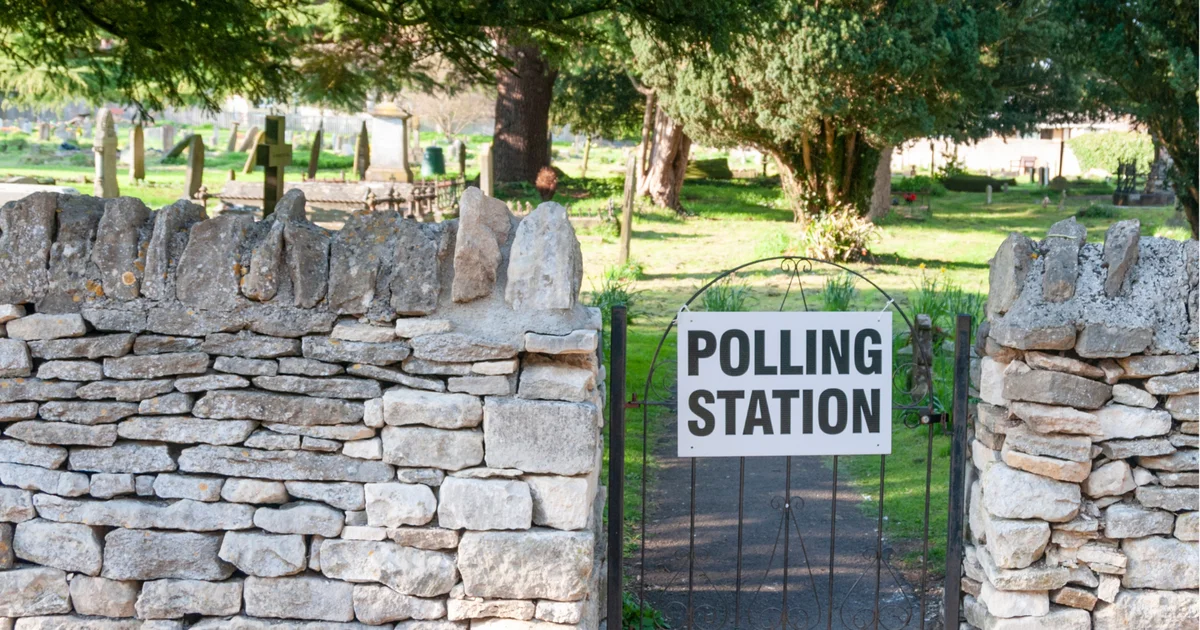
The BBC reported that Labour accepts the inevitable in a U-turn, noting it was both a policy reversal and a blow to Local Government Secretary Steve Reed. The justification for delays was presented as a consequence of local government reorganisation. Reform UK was predicted to frame this reversal as a victory, particularly as ministers yielded ahead of a legal challenge.
Sky News highlighted that Keir Starmer has "rowed back on plan to cancel 30 local elections." This report places the election delay reversal within a broader context of Labour possibly going back on prior promises.
The Guardian suggested the U-turn could be a "gift for Reform," stating the government announced the abandonment of plans to delay elections for 30 councils just hours after its initial announcement. Nigel Farage characterized his stance as that of a "common-sense merchant."
The Canary detailed that the Labour administration has agreed to pay Reform UK's legal costs, amounting to £150,000, for mounting the challenge against the election postponement. Lawyers had reportedly informed the local government minister that Labour would likely lose a legal contest.
The European Conservative stated that Keir Starmer’s government was "forced to U-turn" after being threatened with a legal challenge from Reform UK. Nigel Farage described the postponement as "a desperate act" and claimed the change benefited Reform UK significantly, calling the outcome "a victory for democracy." The report also cited this as the 14th-plus major U-turn since Starmer took leadership in July 2024.
The Independent noted the government's reversal came after being warned the postponement would be illegal, marking "another U-turn." Polling expert Sir John Curtice indicated the reversal might affect Conservatives more than Labour, as more Labour-controlled councils initially opted for postponement, while several large Conservative-majority county councils now also face organising ballots in areas where Reform UK is a significant threat.
Impact on Reform UK
The decision to proceed with the local elections is perceived by some as a considerable advantage for Reform UK.
Read More: UK Boy Has New Surgery to Make His Leg Longer
Reform UK's leader, Nigel Farage, has publicly declared the outcome a "victory for democracy" and a significant benefit for his party. His party is reported to be ahead in polls in several key areas.
The legal challenge itself and the subsequent payment of legal costs by the government underscore the impact Reform UK had on forcing the policy reversal.
Internal Labour Divisions and Criticisms
The policy reversal has exposed rifts within the Labour Party and drawn criticism.
Some Labour MPs have expressed a range of views on how the party should respond to disappointing local election performances, with some feeling that simply repeating commitments to move "further and faster" is out of touch.
The Electoral Commission, opposition parties, and local authority leaders had previously criticized the proposed delays. Local authorities expressed frustration over wasted planning time and difficulties created by the uncertainty.
Broader Political Context
This U-turn occurs against a backdrop of reported challenging results for Labour in recent local elections.
Read More: Assam Congress Leader Joins BJP
LabourList reports on Labour MPs being divided over the fallout from local elections, with analysis suggesting projected national vote shares are among the worst in decades. Various reports highlight specific defeats and the close competition with Reform UK in several contests.
The article points to significant Labour losses in areas like Lancashire, Cambridgeshire and Peterborough, and County Durham.
Conclusion and Future Implications
The Labour Party's decision to reverse its plan to delay local elections represents a pragmatic response to legal threats and political pressure. The forced reversal acknowledges the unviability of the initial strategy and potentially mitigates further political damage. However, it also highlights a perception of policy inconsistency and provides a public relations victory for Reform UK. The broader context of Labour's performance in recent local elections suggests ongoing challenges in connecting with voters and delivering on their platform. The financial aspect of paying Reform UK's legal costs adds another layer to the political fallout of this policy U-turn.
Read More: Why Britons Are Good at Skeleton Racing
The Guardian: https://www.theguardian.com/politics/2026/feb/16/starmer-u-turn-local-elections-opportunity-reform-uk
The Canary: https://www.thecanary.co/uk/analysis/2026/02/17/labour-local-elections-2/
The European Conservative: https://europeanconservative.com/articles/news/labour-u-turn-local-elections-to-be-held-boost-reform-uk/
The Independent: https://www.independent.co.uk/bulletin/news/conservatives-labour-local-election-uturn-b2921840.html
LabourList: https://labourlist.org/2025/05/local-election-reaction-labour-mps-reform-uk/