The Los Angeles Chargers have once again leveraged their annual schedule release to deploy a sophisticated series of coded insults and pop-culture references, a strategy that has become a hallmark of their digital engagement. This year's video, a meticulously crafted piece of content, showcases the team's social media prowess, drawing attention for its elaborate "Easter eggs." The team's approach prioritizes creating viral moments and fostering fan connection through a blend of self-referential humor and pointed jabs at rivals.
The schedule release video is not merely an announcement of future games; it functions as a digital tapestry woven with references designed to resonate with a specific, internet-savvy audience. These hidden elements serve multiple purposes: to entertain fans, to engage a wider online community, and, critically, to subtly antagonize competing teams and figures within the NFL landscape. The effort invested in these details highlights a strategic shift in how franchises communicate and build brand identity.
Read More: Mike Vrabel Attends Wedding Amid Scandal
Decoding the Digital Darts
Among the observed "Easter eggs" are pointed references to other teams, even those not on the Chargers' slate for the upcoming season. The inclusion of figures like Tyrique Stevenson and the deliberate recreation of viral moments, such as George Pickens' draft day footage simulated in The Sims, demonstrate a keen awareness of trending online narratives.
The video incorporated a direct allusion to a viral moment involving George Pickens being drafted, using The Sims to replicate the scene.
A jab at the Dallas Cowboys was delivered through a reference that seemed to critique their social media team's handling of a past loss.
The team also targeted the Detroit Lions, referencing questionable draft selections.
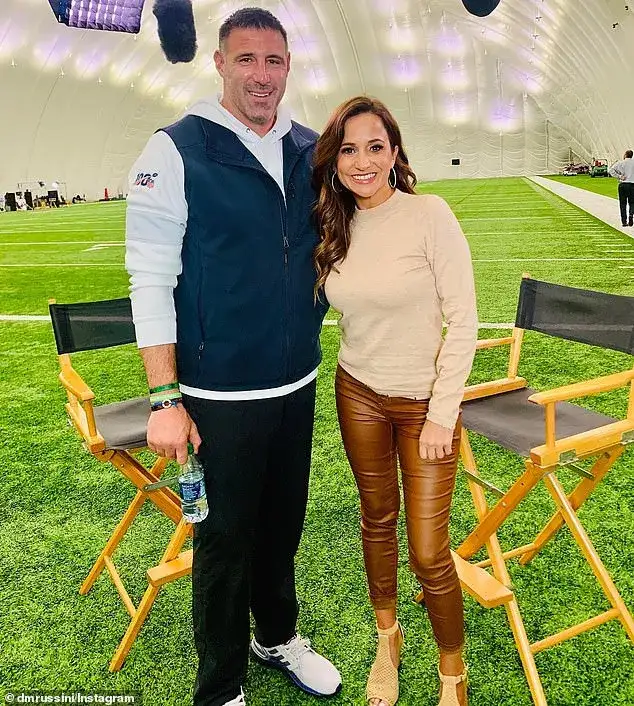
Specific mentions of Mike Vrabel and Dianna Russini suggest a deliberate effort to engage with specific media personalities or events.
The video employed a Minecraft theme, which was used to create visual metaphors, such as a "chicken jockey" mob to represent the NFC South, and to subtly mock the Dallas Cowboys.
References extended beyond football, including nods to the NBA, as seen with a cameo by Nico Harrison and allusions to the Dallas Mavericks.
The New York Jets' upcoming matchup was used as a backdrop for numerous Times Square-themed references, incorporating elements related to the New York Knicks and other local cultural touchstones.
A Pattern of Provocation
This year's elaborate schedule release follows a trend established in previous years. The Chargers' social media team has consistently used these productions to demonstrate their perceived superiority in content creation and fan engagement.
In past releases, the Chargers have alluded to specific controversies or moments involving other teams. For instance, a reference to the Dallas Cowboys’ social media post following their loss to the San Francisco 49ers was included, coupled with a fictional helpline number for gambling problems, a direct jab at the Cowboys' earlier content.
The team has also previously taken shots at the Green Bay Packers and Aaron Rodgers.
The overarching objective appears to be a calculated move to capture attention and generate buzz, positioning the Chargers not just as competitors on the field, but as significant players in the digital arena.
The club's relocation to Los Angeles has been accompanied by struggles to consistently fill stadiums and secure a dominant fan base. This digital strategy can be seen as an attempt to build an engaged following through creative and relatable content that extends beyond game days. The elaborate nature of these yearly releases suggests a significant investment in a social media team dedicated to crafting these detailed, often provocative, online narratives.
Read More: Yoshitaka Amano Zan hand-drawn anime pilot debuts July 3 2026