Researchers have identified a particular strain of bacteria, Leuconostoc mesenteroides CBA3656, originating from kimchi, that shows a knack for latching onto nanoplastics and facilitating their removal from simulated human digestive systems. This finding offers a glimmer of what might be a biological pathway to combat the growing presence of these microscopic plastic fragments in our bodies.
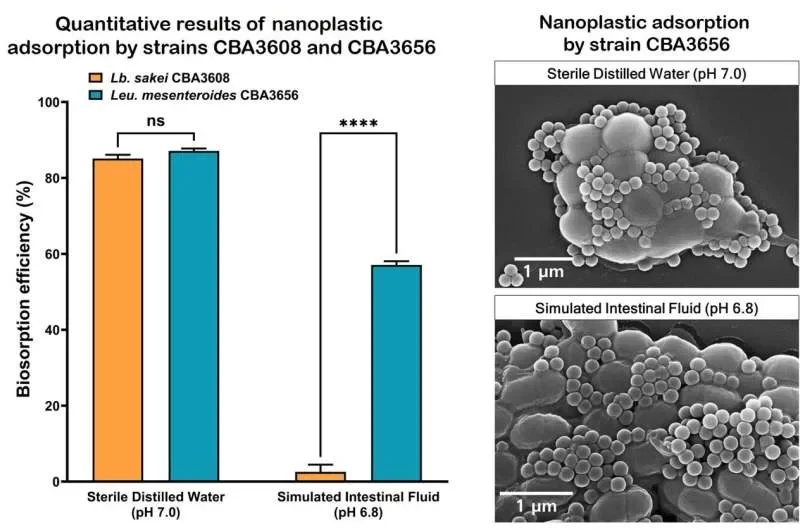
The kimchi-derived bacteria strain, identified as Leuconostoc mesenteroides CBA3656, demonstrated a significant capacity to bind with nanoplastics, even under conditions mimicking the human intestinal environment. In lab settings simulating gut conditions, the strain achieved a high adsorption efficiency of 87%, nearing that of a known reference strain. This suggests a potential mechanism for reducing the accumulation of these minuscule plastic particles within the gastrointestinal tract.
Gut Inhabitants
The study points towards the possibility that lactic acid bacteria, commonly found in fermented foods like kimchi, could play a role in interacting with environmental pollutants beyond their usual digestive functions.
Read More: Australia May End Cervical Cancer by 2035, But Some Groups Need More Help
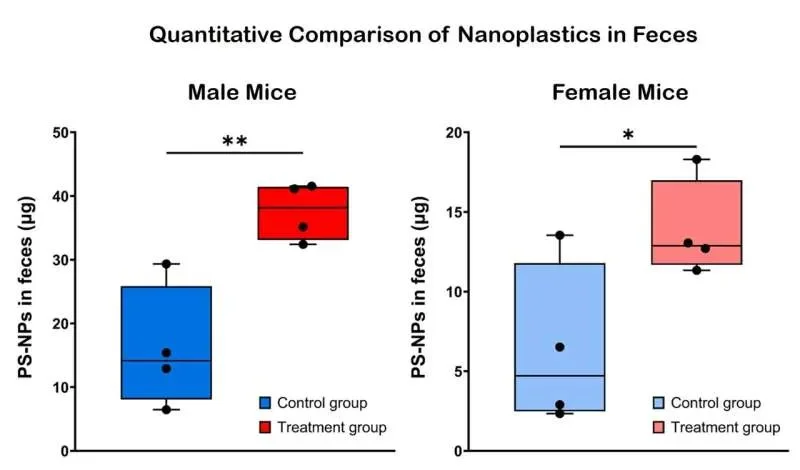
"This study provides scientific evidence that kimchi-derived lactic acid bacteria may interact with environmental micropollutants beyond their traditional role in fermentation."
While these results are described as providing "new insight into potential biological mechanisms," the authors acknowledge that biological strategies for curbing nanoplastic buildup in the gut are still in their nascent stages of exploration.
The Pervasive Plastic Problem
The concern over plastic pollution has broadened, now encompassing a direct threat to human health. Microscopic and even smaller nanoplastics are increasingly detected within the food chain and have been found to permeate human biological systems. These particles, defined as less than one micrometer in size, pose an escalating worry due to their widespread presence and potential entry points through consumption. The identification of Leuconostoc mesenteroides CBA3656 as a potential nanoplastic binder is highlighted as a hopeful development amidst the escalating challenges of plastic contamination impacting human well-being.
The research involved contributions from Tae Woong Whon, Se Hee Lee, and Jisu Lee, with the World Institute of Kimchi (WiKim) credited for image material. The study's keywords span "Nanoplastics," "Lactic Acid Bacteria," "Kimchi," "Polystyrene Nanoplastics," "Probiotics," "Biosorption," "Gut Microbiota," "Environmental Pollutants," "Plastic Pollution," and "Microbial Remediation."
Read More: White Cars Not Turning Black in Sun, Physics Explains