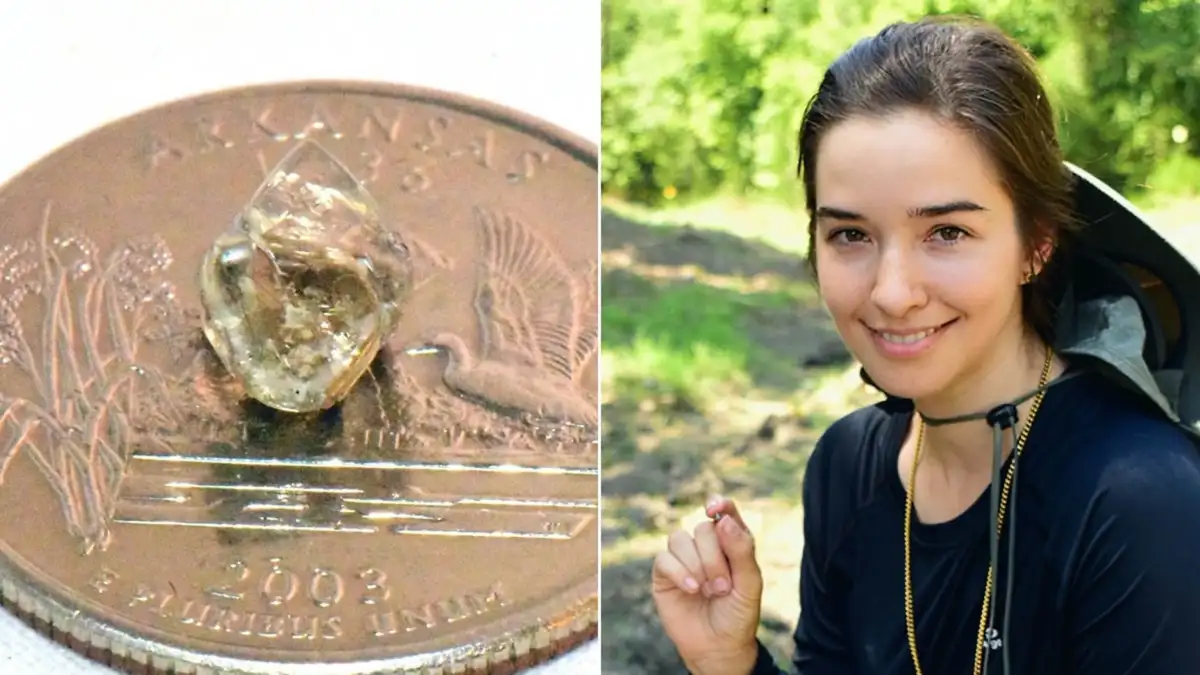
Keshia Smith, a visitor from Pennsylvania, unearthed a 3.09-carat uncut diamond while digging at the Crater of Diamonds State Park in Murfreesboro, Arkansas, on or about May 14, 2026. The stone was located within the park’s designated 37.5-acre search field, an eroded volcanic pipe known for producing semi-precious stones and diamonds.
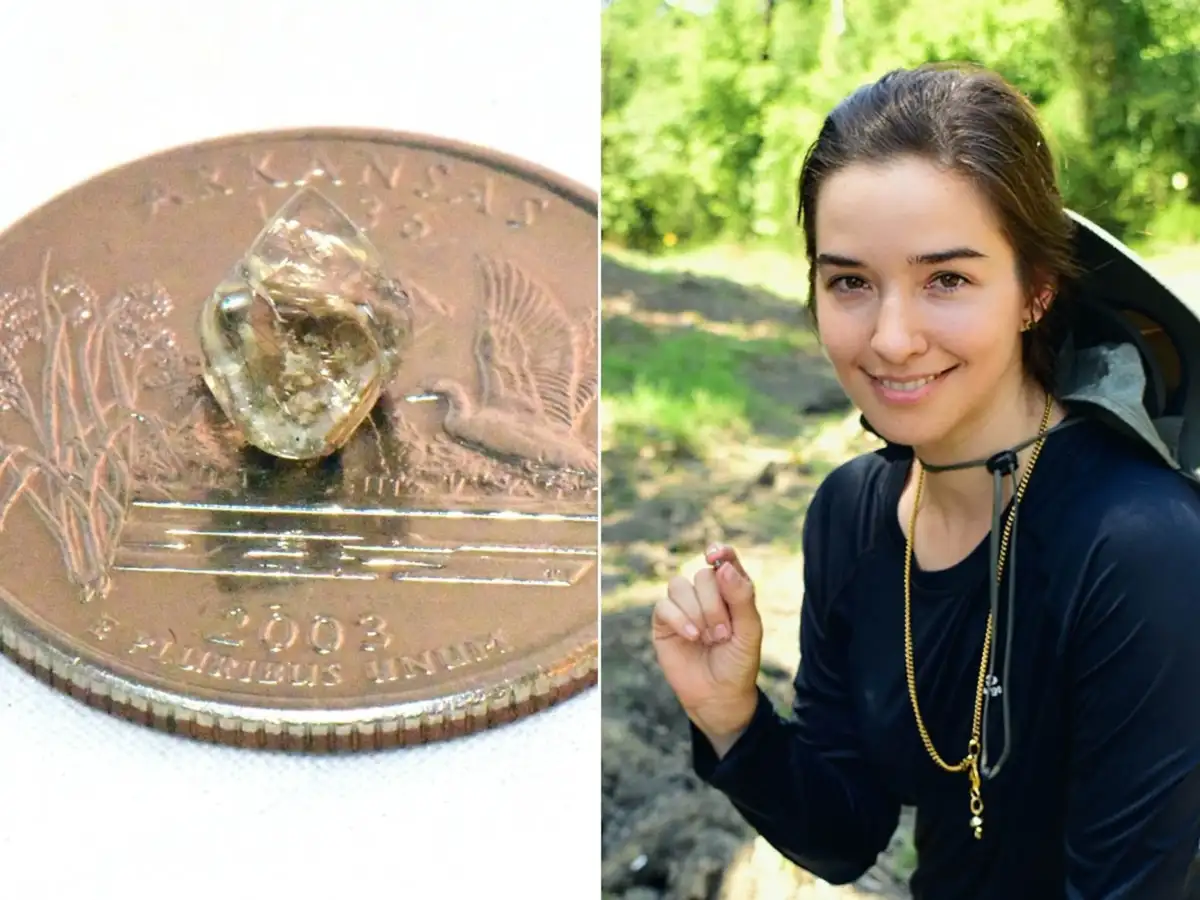
The physical recovery of such stones represents a rare interaction between public land policy and the geological reality of the site. While the gem is currently uncut, experts suggest it may yield a finished, polished diamond of approximately 1.5 carats.
| Metric | Detail |
|---|---|
| Location | Crater of Diamonds State Park, Arkansas |
| Finder | Keshia Smith |
| Weight | 3.09 carats |
| Status | Uncut, current possession held by finder |
Operational Context of the Park
The site remains the only Public Mining Site globally that permits visitors to prospect for and retain found gems. This policy creates a unique environment where the line between recreational tourism and commercial-grade extraction remains perpetually blurred.
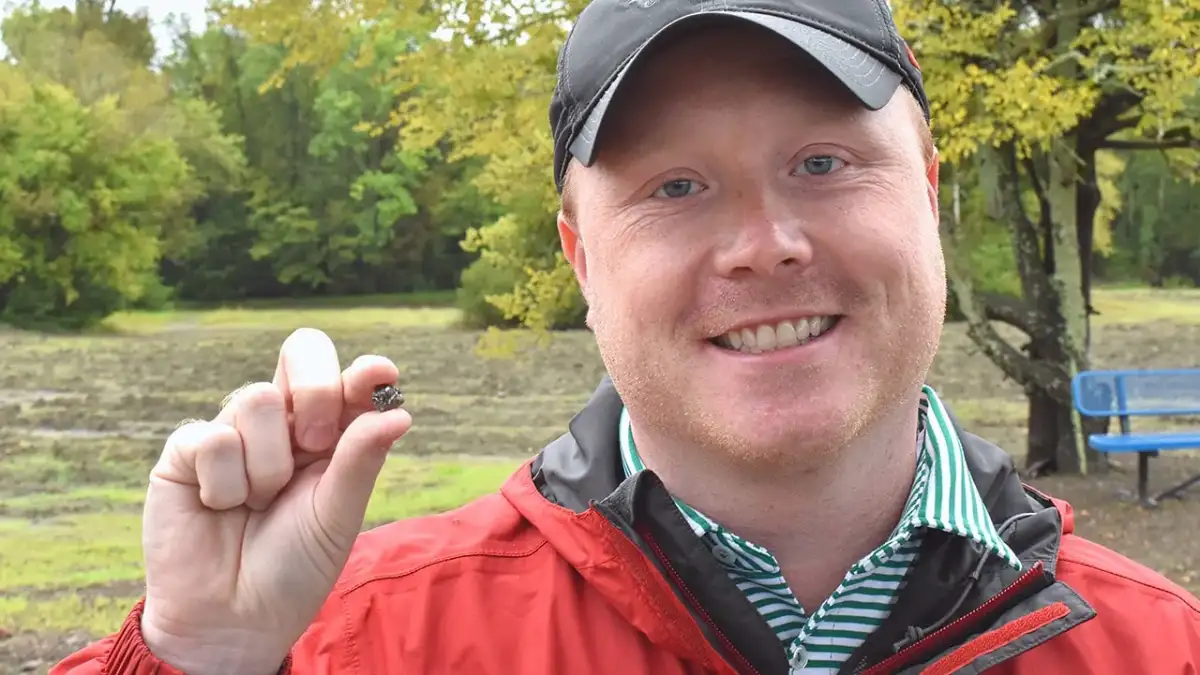
The park's 37.5-acre search area is a plowed field, allowing surface materials to shift frequently due to weather and mechanical agitation.
Visitors often spend multiple days or weeks performing physical labor to identify glints in the mud, as evidenced by recurring reports of long-term searches, such as the 2.3-carat find by Micherre Fox in July 2025.
The frequency of high-carat discoveries—ranging from 2-carat to 9-carat stones—highlights the site's role as a niche economic engine for regional tourism.
Socio-Economic Framing
The narrative surrounding these discoveries frequently adopts a subjective, emotive quality. In the instance of Smith, the act of digging was contextualized through the lens of recent personal bereavement, a common occurrence in public-interest media to humanize the statistical rarity of finding high-value geological material.
Read More: Margaret River Named World's Best Wine Place

Analytical perspective: The economic value of such finds is heavily dependent on the cutting and polishing process, which can reduce the carat weight by 50% or more. While individual prospectors gain temporary financial upside, the overarching institutional structure relies on the "dream" of discovery to sustain the park's status as a high-traffic destination.
Investigation note: The Crater of Diamonds State Park operates under the administrative authority of the State of Arkansas. Prospective visitors are subject to standard park fees, though ownership rights to any extracted material are granted to the individual visitor, creating a decentralized mineral market in a controlled state environment.