Kerala's culinary heart is sputtering. A severe shortage of LPG cylinders is forcing eateries, from bustling canteens to humble roadside stalls, to drastically pare down menus, shut shop, or even contemplate a return to firewood. The ripple effect threatens livelihoods and the very fabric of the state's food service industry.
The immediate crunch is felt most acutely by establishments relying on commercial LPG. Reports indicate that a significant number of hotels and restaurants are grappling with dwindling supplies, leading to reduced operating hours and a narrowed focus on dishes that require minimal cooking time or can be prepared in larger batches. The economic fallout is stark: owners report losing customers due to limited options and face the grim prospect of temporary or permanent closures.

"With supplies dwindling, menus have already been pared down. From tomorrow (Friday), we may have to shift to firewood-based cooking." - Kochi Mayor V.K. Minimol
Sources within the food service sector confirm that the situation is dire, with many businesses struggling to secure the essential fuel. The two Samridhi outlets in Kochi, which collectively serve an average of 4,000 people daily, are already experiencing a sharp drop in meal production, with one outlet operating round-the-clock to cope.
Read More: McDonald's Stops Self-Serve Soda Machines Across US Restaurants
Strain on Domestic Consumers and Supply Chain Suspicions
While commercial kitchens are on the front lines of this fuel drought, domestic consumers are also feeling the pinch. Many are experiencing delays in cylinder deliveries, even after receiving dispatch notifications. This scarcity has fueled suspicions of domestic cylinders being diverted to commercial establishments, a practice that, if true, would exacerbate the problem for households.
Official Acknowledgment and Divergent Claims
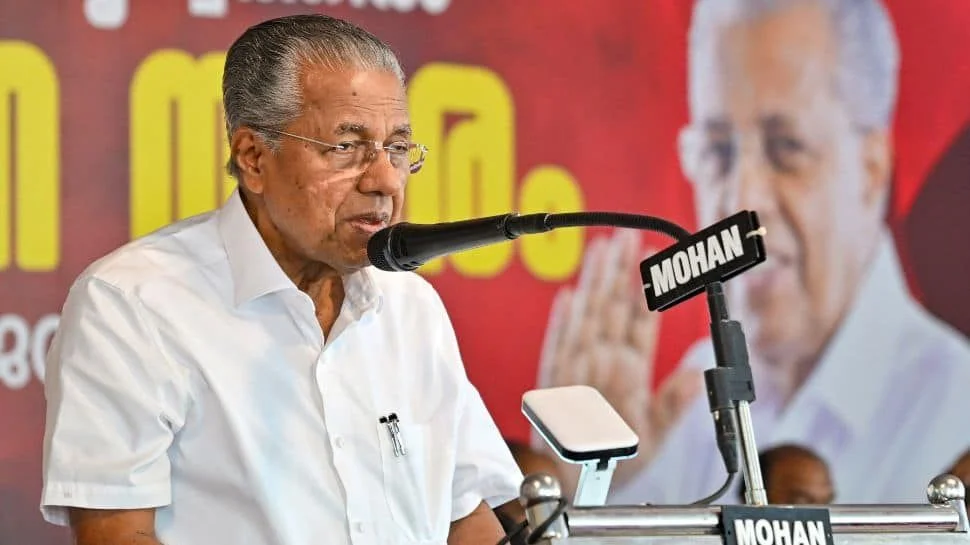
Kerala Chief Minister Pinarayi Vijayan has publicly expressed concern over the availability and escalating cost of cooking gas, linking the intensified supply issues to "tensions in West Asia." He has flagged the potential for this crisis to disproportionately burden ordinary households and disrupt the service sector, urging central intervention for price relief and subsidized gas.
However, amidst these concerns, reports from meetings between LPG firms and the Kerala civil supplies minister, G. R. Anil, suggest that oil companies have maintained that no "crisis" currently exists. This discrepancy highlights a disconnect between official pronouncements and the ground reality experienced by businesses and consumers.
Read More: Solaris Energy SEI Stock Price Forecast Reaches $91.98 by July 2027

Central Directives and Sectoral Prioritization
The core of the commercial LPG shortage appears to stem from a central government directive mandating that domestic and SEZ oil refining companies maximize the production of specific chemical streams – propane, butane, and propylene – solely for LPG production. This order prioritizes the output for public sector oil marketing companies. Crucially, this effectively halts the primary supply source for the hospitality industry, which relies on commercial-grade cylinders, not the subsidized domestic ones. The government's move to step up domestic LPG production and prioritize household supply, while intended to ease consumer burden, has inadvertently choked off commercial availability.
"The scarcity of commercial cooking gas has crippled the food industry." - Statement referenced by the Kerala CM
The Kerala Hotel and Restaurant Association has issued warnings that hotels statewide are on the brink of shutdown due to the non-availability of commercial LPG cylinders. This situation comes at a particularly challenging time for Kerala, coinciding with the holy month of Ramzan, impacting a significant portion of the population.
Read More: Hyderabad Restaurants May Close Due to LPG Gas Shortage by March 15
Alternative Fuels and Broader Economic Concerns
Amidst the LPG crisis, the precarious availability of CNG also raises concerns, particularly for public transport, a significant portion of which relies on this fuel. This points to a broader vulnerability in the state's energy supply chain, extending beyond just cooking gas.
The broader implications of this fuel famine are significant. Beyond the immediate threat of business closures and job losses within the hospitality sector, there is a palpable fear of cascading price hikes for food items, impacting the affordability of daily necessities for all residents.
Background
The current LPG shortage in Kerala is exacerbated by a confluence of factors, including ongoing geopolitical tensions in West Asia, which often influence global energy markets. These international pressures appear to have intersected with domestic policy shifts regarding the production and allocation of cooking gas. The state government's plea for central intervention and subsidies underscores the perceived inadequacy of current supply mechanisms to meet regional demand, particularly for the vital food service industry and ordinary households.
Read More: Summer AC Settings: Save Money by Raising Thermostat