


Roughly 40% of Kerala’s restaurants have stopped serving food. A sudden lean in federal fuel distribution has pushed the commercial hospitality sector toward a full halt, leaving small eateries to burn expensive wood or simply lock their doors. While the Ministry of Petroleum and Natural Gas has ordered that all raw fuel streams (C3 and C4) be diverted to keep household stoves burning, the side effect is a dry market for the blue cylinders that run the economy.

| Sector | Current Status | Workaround |
|---|---|---|
| Restaurants | 40% closure reported | Firewood, reduced menus |
| Catering | Near-total stall | Pending wedding season stress |
| Transport | 1,000+ Kozhikode autos idle | Waiting in queues |
| Crematoriums | Operational friction | Alternative fuels |
“The situation will affect the service of over 1,000 auto-rickshaws in Kozhikode city soon… wayside eateries have already been shut.” — A.K. Sajeev Kumar, LPG auto-rickshaw drivers union.
The Friction of Choice: Domestic vs. Commercial
The Ministry of Petroleum issued a ‘Revised Order’ forcing oil companies to maximize domestic LPG pools. This choice secures the "living room" but starves the "shop floor."

Private refineries and SEZs are now legally bound to funnel all propane and butane into the public sector pool.
Commercial-grade cylinders, which lack the subsidies of the 14.2kg domestic units, have vanished from the supply chain.
In Kozhikode, wayside shops and small hotels are the first to drop, unable to compete for the trickling remains of the gas stock.
Geopolitical Blockage and Maritime Choke
The West Asia Conflict is the invisible wall behind this scarcity.

62% of India’s LPG comes from outside its borders.
85–90% of those imports must pass through the Strait of Hormuz.
Recent hostilities involving Iran, Israel, and the US have functionally throttled this passage.
Local Survival and Market Distortions
As the gas runs thin, the old methods return with new costs.
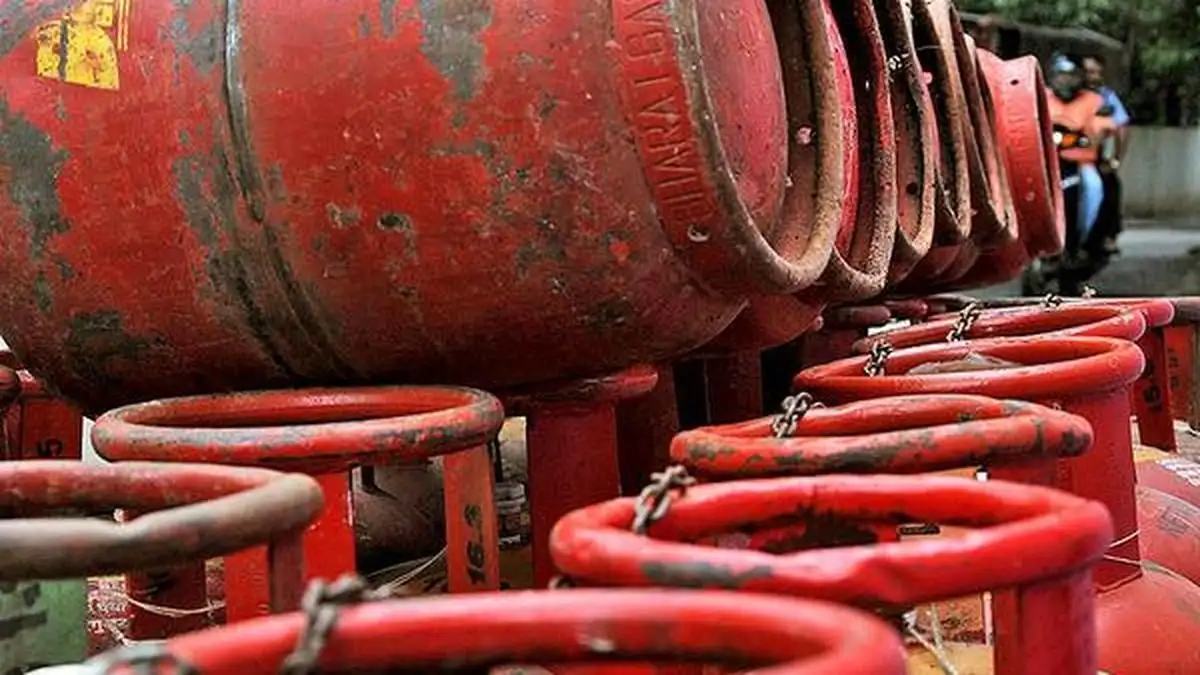
Firewood Prices: Reports indicate wood costs are skyrocketing as hotels revert to traditional hearths.
Retail Shifts: In urban centers like Delhi, induction cooktop sales have jumped by 75–80% as fear of a domestic spillover grows.
Public Schemes: In Kochi, the Samridhi@Kochi free-meal program has shifted to firewood to stay functional.
Background: The Import Trap
India’s energy security is tied to a single geographical needle-eye. The federal government has scrambled to allocate 40,000 kilolitres of kerosene as a stopgap, but the infrastructure of a modern city is not built for liquid fuel or wood. Two shipments carrying 80,000 tonnes of LPG are reportedly moving toward Indian ports, yet the time-lag between the Strait of Hormuz and the Kerala kitchen remains wide. The Kerala Hotel & Restaurant Association (KHRA) continues to warn that without a specific commercial quota, the hospitality sector’s collapse is not a risk, but an ongoing event.
Read More: FIFA World Cup 2026 Revenue Reaches $15 Billion With New Ticket Prices


