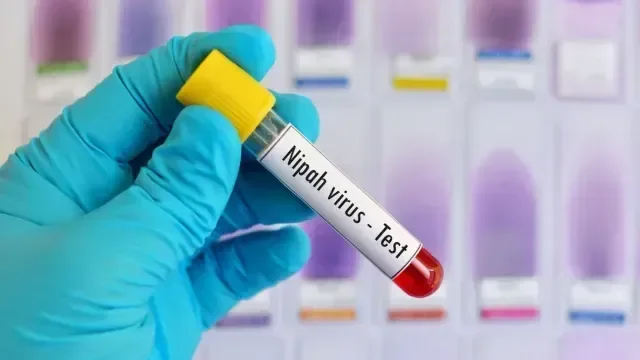
Seasonal Alert Issued Amidst Observed Viral Activity
Kerala health officials have formally announced a heightened alert for Nipah virus infections, designating the period from April to September 2026 as a high-risk window. This proactive measure stems from established patterns of previous outbreaks and observed viral activity within the state. The timing is explicitly linked to epidemiological trends and the behaviors of fruit bats, the primary carriers of the zoonotic pathogen, which tend to exhibit increased movement and breeding during these months. This suggests a greater likelihood of bat excretions or partially consumed fruits contaminating the human food chain.
The core of the alert centers on the cyclical nature of Nipah virus activity in Kerala, observed to be particularly pronounced during the six-month span commencing in April. This understanding informs the state's shift towards a more preemptive public health strategy, moving beyond reactive containment to early warning and prevention. The state's existing infrastructure is being prepared for a high-readiness phase, with a focus on minimizing exposure risks through public advisories and intensified surveillance.
Read More: Iran health buildings hit by attacks, WHO says 20+ facilities damaged
Identified Hotspots and Public Awareness Campaigns
Specific geographical areas have been flagged as particular concerns. Perinthalmanna in Malappuram and Kozhikode city have emerged as crucial zones, largely due to the concentration of corporate and tertiary care government hospitals where Nipah patients have historically been admitted. There is also a noted pattern of the virus's geographic spread moving southward from these initial points. To counter potential transmission, health officials are planning targeted awareness sessions, with a specific emphasis on engaging children. Districts such as Thrissur are also being brought into the focus of these preventive measures.
Understanding the Nipah Threat
The Nipah virus, a paramyxovirus, is classified among the world's most dangerous pathogens. Its transmission is zoonotic, meaning it originates in animals – predominantly fruit bats – and can then spread to humans. In some instances, it can also transmit between people. The virus is known for causing severe illness, with a high fatality rate, and currently, there is no approved vaccine or specific antiviral treatment available. Past outbreaks in Kerala have underscored the critical role of contact tracing, isolation, and community cooperation in successfully containing the spread.
Read More: Andhra University's Centenary Adds Skill Centre and Global Fiesta
The broader implications of this seasonal alert extend beyond the state's borders, serving as a stark reminder for India's overall public health preparedness. The approach adopted by Kerala, emphasizing early warning systems, vigilant surveillance in high-risk areas, and comprehensive public advisories, is seen as a crucial strategy for mitigating the impact of such zoonotic threats. The success of past containment efforts highlights that timely intervention, robust surveillance, and collective public participation remain paramount in managing Nipah virus outbreaks. The strategy involves integrating human, animal, and environmental data through a 'One Health' approach to better predict and manage future zoonotic risks.




:max_bytes(150000):strip_icc():focal(749x0:751x2)/nicu-baby-2-040326-a8cfa36052e149f38894fb7fe09331a6.jpg)

:max_bytes(150000):strip_icc():focal(577x542:579x544)/marquay-the-goat-2-112725-6e365e6585624feb829b4a1e87fda4a2.jpg)