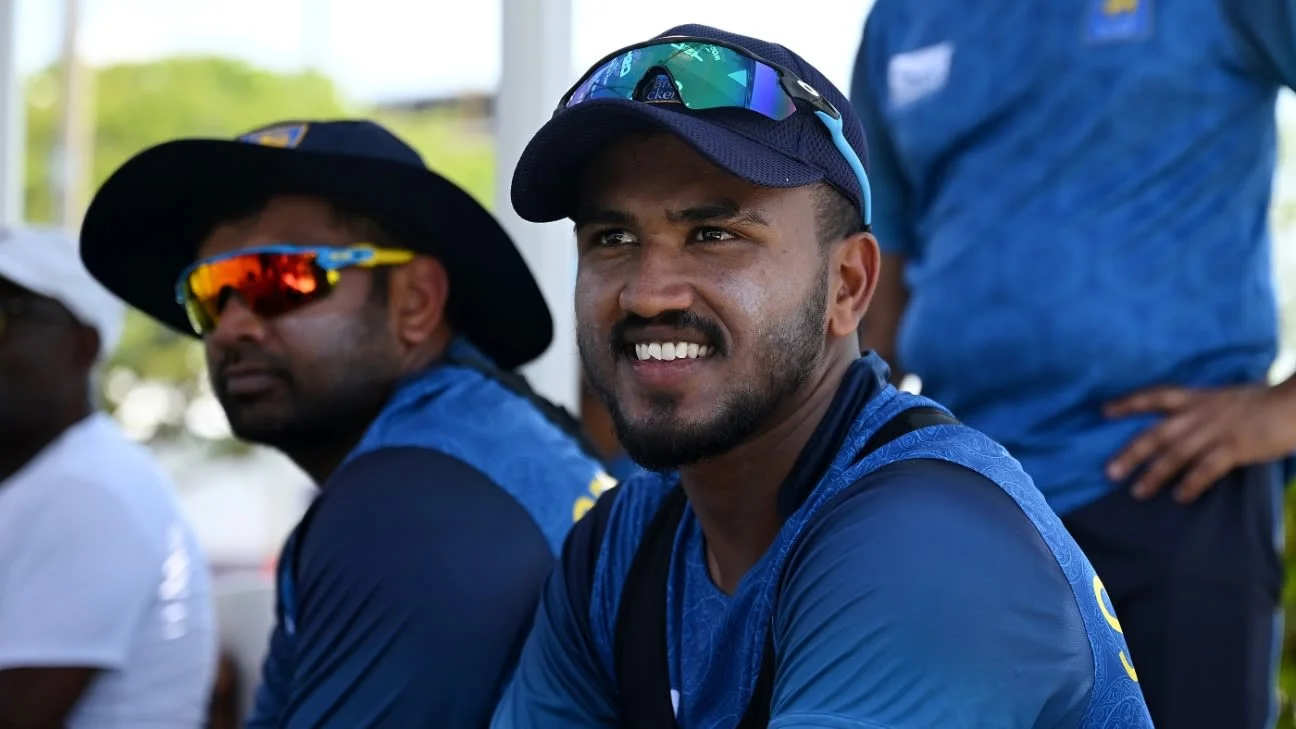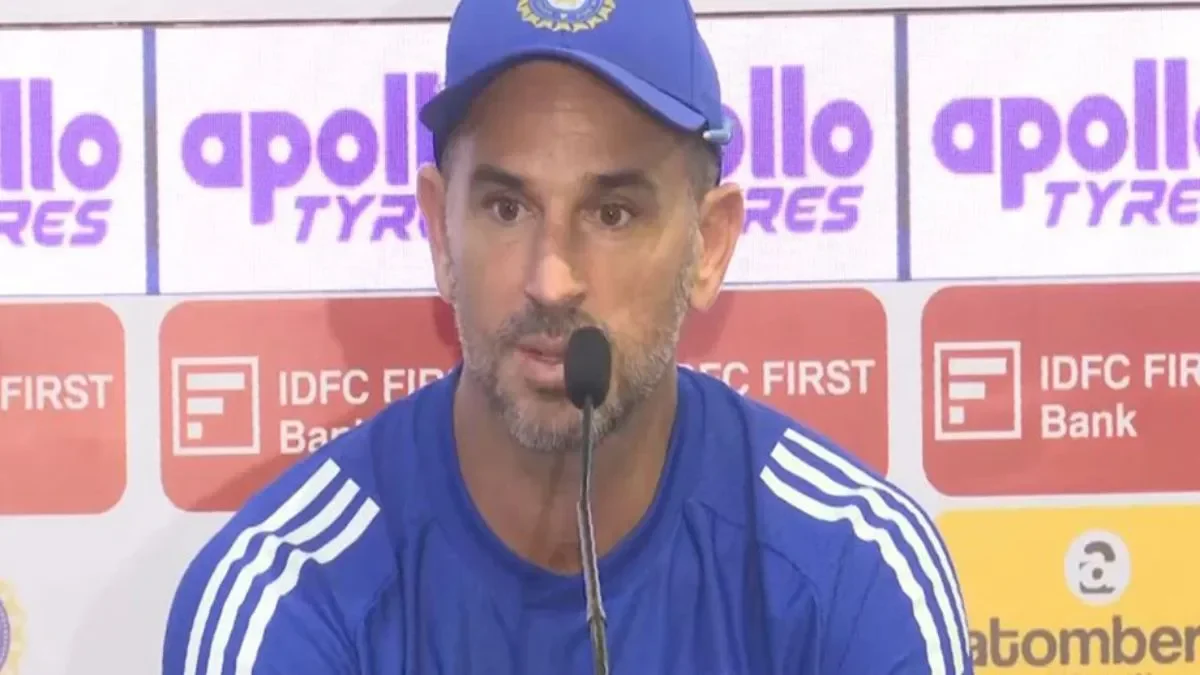
The Indian national cricket team has progressed to the Super Eight stage of the T20 World Cup after four consecutive wins. However, assistant coach Ryan ten Doeschate has identified a recurring problem in the team’s batting performance. During the middle part of recent games, Indian batters have struggled to score quickly against finger-spin bowlers. This issue was visible during the 17-run victory over the Netherlands in Ahmedabad. While the team is winning, the coaching staff says that opponents have found a simple way to slow down India’s scoring. The main concern is how the team’s many left-handed batters deal with specific types of spin bowling.
Timeline of Events and Key Players
The current situation is the result of performances in both recent T20 matches and earlier series.
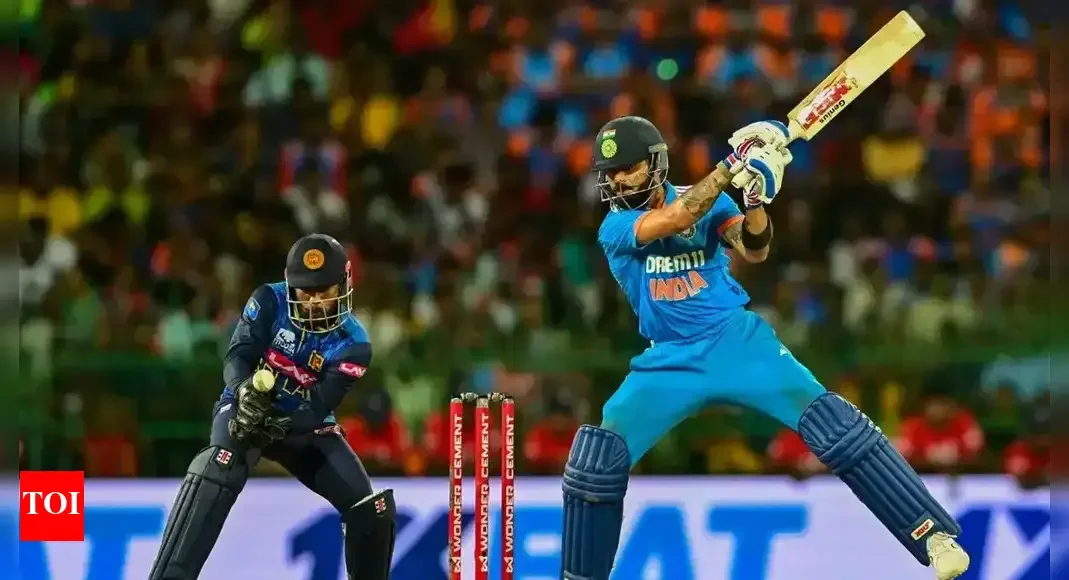
August 2024: During a three-match ODI series in Sri Lanka, India lost 27 wickets to spin bowlers and lost the series 0-2.
T20 World Cup Group Stage: India faced difficulties against spin from Pakistan and the Netherlands.
Wednesday Night: India beat the Netherlands, but the middle-order scoring rate remained a point of discussion.
Key Actors:
Ryan ten Doeschate: Assistant coach who has gone public with concerns about spin.
Sitanshu Kotak: Batting coach who views individual performances as part of a planned role.
Aaryan Dutt: Netherlands off-spinner who took the wickets of Ishan Kishan and Abhishek Sharma.
Statistical Evidence of Scoring Trends
Data from recent matches shows a specific pattern in how India handles spin compared to other types of bowling.
Read More: Australia Women Beat India by 40 Runs to Lead Series 2-0 on Feb 19, 2026
| Metric | Detail |
|---|---|
| Spin Faced | 42 overs in recent T20 play |
| Runs Scored | 315 runs |
| Run Rate | 7.5 runs per over |
| Wickets Lost (Sri Lanka Series) | 27 wickets to spin |
| Lineup Structure | 6 left-handed batters in the top 8 positions |
| Pakistan Match Data | Finger-spinners took 4 wickets for 78 runs |
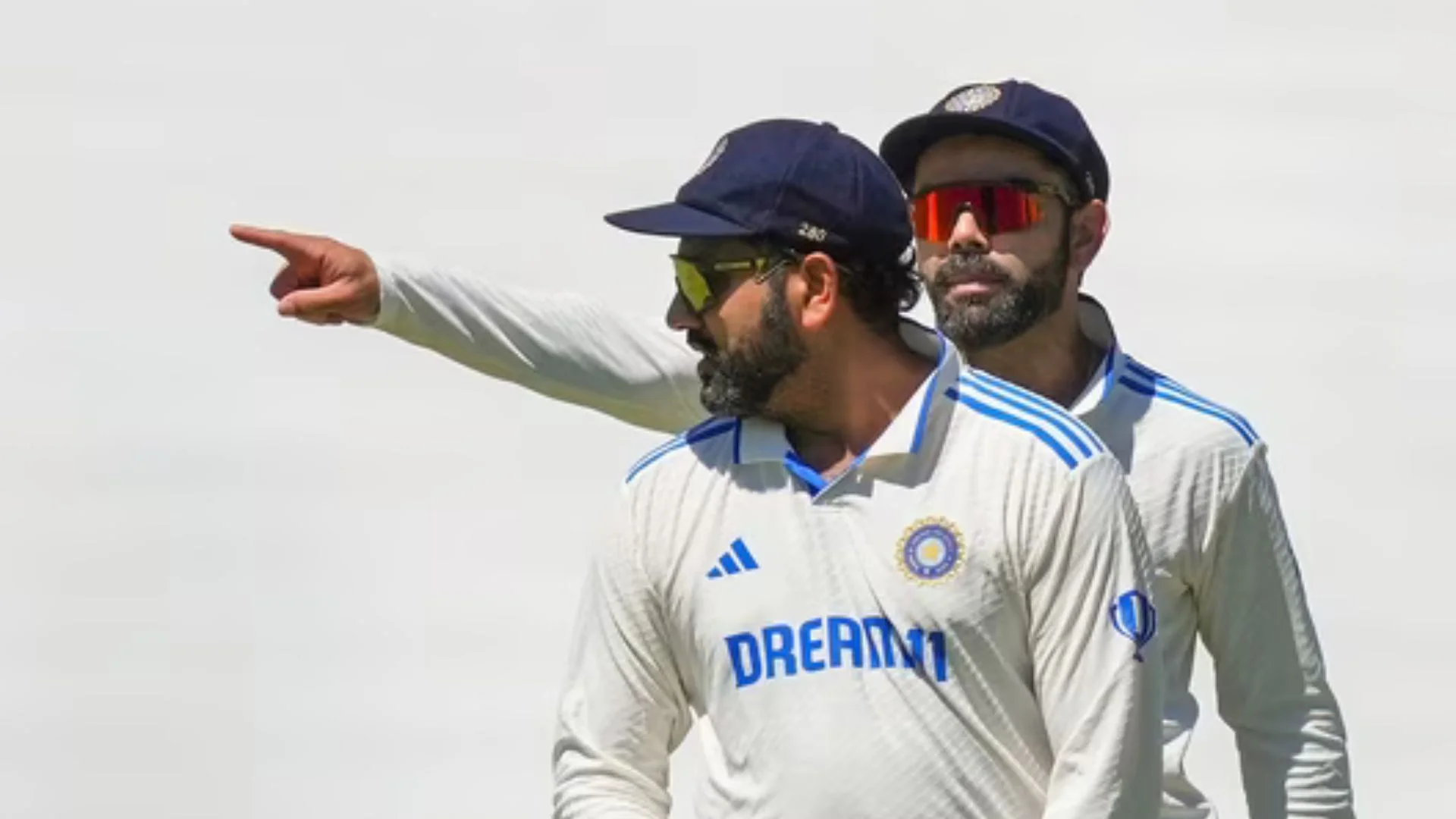
The core issue identified by coaching staff is that having many left-handers makes it easier for opposing captains to use finger-spin to limit runs.
Analysis of Batting Trends against Spin
The Left-Hander Logic
The Indian top order currently features players like Abhishek Sharma, Tilak Varma, and Ishan Kishan. Because six of the top eight batters are left-handed, opponents are using off-spin and finger-spin more often. Ryan ten Doeschate noted that this makes the game "simpler" for the opposition. In the match against the Netherlands, Aaryan Dutt used this to his advantage by bowling in the powerplay and taking two early wickets. Does the team's balance provide an unintended advantage to the opponent's bowling strategy?
Shift in Technical Training
Reports suggest a change in how Indian batters prepare for games. In the past, Indian players were known as the best at playing spin because they grew up on turning tracks. Ten Doeschate stated that the focus has moved toward playing well in "overseas" conditions (like England or Australia). This shift was intended to help the team win the World Test Championship (WTC), but it may have reduced their ability to handle high-quality spin on slower pitches.
Read More: Harmanpreet Kaur Plays 350th Match and Scores 8000 Runs in Cricket
Internal Coaching Viewpoints
There appear to be different ways the coaching staff views recent performances:
The Strategic View: Ryan ten Doeschate argues that the team has not yet played a "perfect match" and must find a new plan for the middle overs.
The Role-Based View: Batting coach Sitanshu Kotak defended players like Tilak Varma, stating they are simply playing the specific roles given to them by the management.
Is the struggle against spin a sign of declining skill, or is it a result of players following a conservative tactical plan?
Expert Analysis
Ryan ten Doeschate, Assistant Coach:"Teams are bowling a lot of finger spin to us with having so many left-handers in our line-up… The focus has moved to [performing well abroad] and that has impacted the ability to play spin."
Sitanshu Kotak, Batting Coach:Regarding Tilak Varma's approach, Kotak stated that the player was "merely playing the role assigned to him," suggesting that the slow scoring might be a choice rather than a weakness.
Summary of Findings
The investigation into India's batting reveals that while the team is technically successful in terms of wins, a specific tactical hole has appeared. The abundance of left-handed batters allows opponents to use finger-spin to control the tempo of the game.
Read More: West Indies Win T20 Series Against South Africa Thanks to Joseph and Shepherd
Technical Shift: Evidence suggests that preparing for faster, bouncy tracks abroad has left batters less prepared for traditional spin challenges.
Strategic Disagreement: There is a difference in how coaches talk about the problem—one calls it a "weakness" while the other calls it "following a role."
Next Steps: The team management is reportedly looking at players like Sanju Samson to potentially change the dynamics of the middle order. The coaching staff indicates that a "new game plan" is required before the Super Eight matches begin to prevent opponents from using finger-spin as a primary weapon.
Sources Used
ESPN Cricinfo: On ten Doeschate’s assessment of the Netherlands match. Link
Inside Sport India: Details on the run rates and the impact of left-handed batters. Link
The Daily Jagran: Context on Aaryan Dutt and the powerplay wickets. Link
The Sports Tak: Background on the Sri Lanka series and the WTC focus. Link
Cricket Times: Analysis of the decline in spin-playing mastery. Link

)