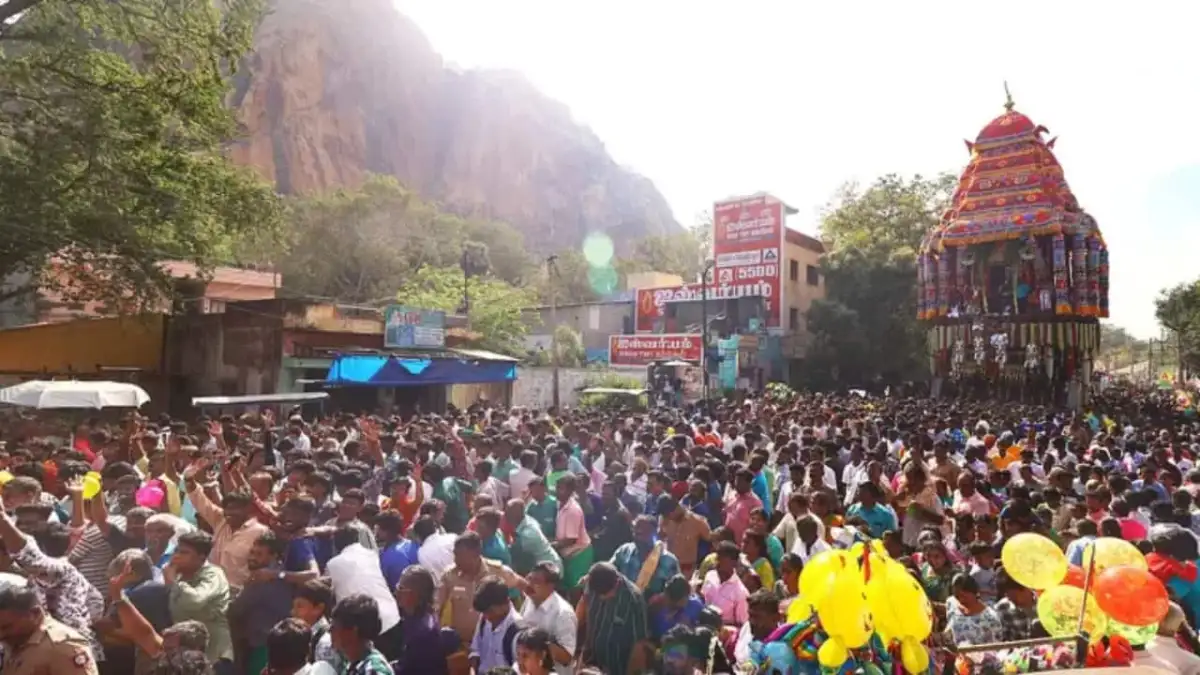
Kerala's 140 Assembly constituencies are currently casting votes as an estimated 2.71 crore eligible voters participate in the state's single-phase elections. Polling commenced at 7 a.m. across 30,495 designated stations, including auxiliary facilities. The electoral contest pits the ruling Left Democratic Front (LDF) against the opposition United Democratic Front (UDF) and the Bharatiya Janata Party-led National Democratic Alliance (NDA). The outcome of this election is anticipated to significantly shape the state's governance and political landscape.
Voter Turnout and Election Dynamics
As of 11 a.m., a voter turnout of 33.28% had been recorded across the state. Earlier, by 9 a.m., the turnout stood at 16.23%, indicating a steady engagement with the electoral process despite the prevailing summer heat. Preliminary reports suggest brisk voting in several districts, including Ernakulam. Notably, historical data from previous elections shows a consistent trend where women voters have recorded higher turnout percentages than men.
Read More: Barnaby Joyce's 'redemption' comments spark debate after Victorian resignations

"I am very happy that I have voted and I request all the people in the state to come out in large numbers and do your sacred duty. Election… manifest that duty of democracy.”— Rajendra Vishwanath Arlekar, Kerala Governor
Campaign Echoes and Pre-poll Incidents
The election period has been marked by an intense, albeit short, campaign season. Recent days leading up to polling saw reported incidents of alleged 'vote for cash' and 'vote for kits' in Thrissur district. Further controversy emerged with an alleged phone conversation involving a minister and a ruling LDF MLA, where they reportedly discussed alleged failures contributing to the 2018 floods.

Prominent political figures, including Chief Minister Pinarayi Vijayan, cast their votes early in the day. Congress MP K C Venugopal also exercised his franchise. Statements from political leaders reflect the competitive nature of the election, with Shashi Tharoor asserting that people are "voting for change," while A K Antony claimed the "Pinarayi government's time is over."

Electoral Landscape and Key Statistics
A total of 883 candidates are vying for seats in the 140 constituencies. The electorate comprises 1.32 crore men, 1.39 crore women, and 273 transgender individuals, with an additional over 2.42 lakh overseas voters. The results of these elections are slated for declaration on May 4, 2026.
Read More: West Bengal voter list cut by 9 million before elections
The current election is drawing attention as it is reportedly the first held after the "SIR of the electoral roll," a detail noted without further elaboration in available reports. Historical polling percentages from previous elections in various districts, such as Thiruvananthapuram, Kollam, and Ernakulam, offer a backdrop for voter participation trends.
Background:
Kerala's political arena has traditionally been dominated by the bipolar contest between the LDF, led by the Communist Party of India (Marxist), and the UDF, spearheaded by the Indian National Congress. The NDA, primarily represented by the BJP, has been striving to establish a stronger foothold in the state. The outcome of these elections will not only determine the state government's composition for the next term but also influence broader national political narratives. The mention of the 2018 floods and associated controversies highlights the enduring impact of past events on contemporary political discourse.
Read More: Three Victorian Ministers Quit Cabinet Before November Election