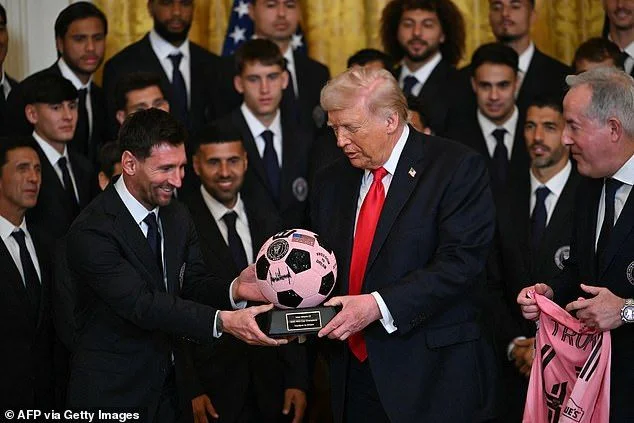
A digital tempest has erupted around Keir Starmer following his pronouncements on the Iran conflict. Social media platforms are awash with criticism, with many observers pointing to a perceived mimicry of Donald Trump's communication style in a recent TikTok video. The central critique revolves around Starmer's emphasis on protecting "our people" and "our bases," a phraseology many have derided as unoriginal and, in the context of the escalating tensions, somewhat hollow. Starmer himself has been vocal, defending his approach to the crisis and calling for de-escalation, urging Trump to negotiate with "what is left of Iran's leadership."
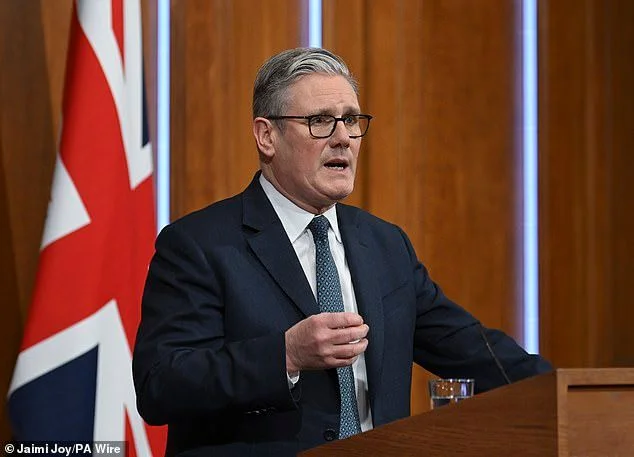
Critics, however, are unconvinced. A recurring taunt, attributed to Starmer, suggests a slow or inadequate response: "Keir is still getting one ship welded so it might go next week…." This, coupled with assertions that Britain's leadership has failed to "stand up for Britain's place in the world" and "protect our military personnel, our bases, and British nationals," has led to accusations of delusion and weakness. The Foreign Secretary, Priti Patel, has also weighed in, branding the government's stance "feeble" during a period when allies and citizens are "under assault."
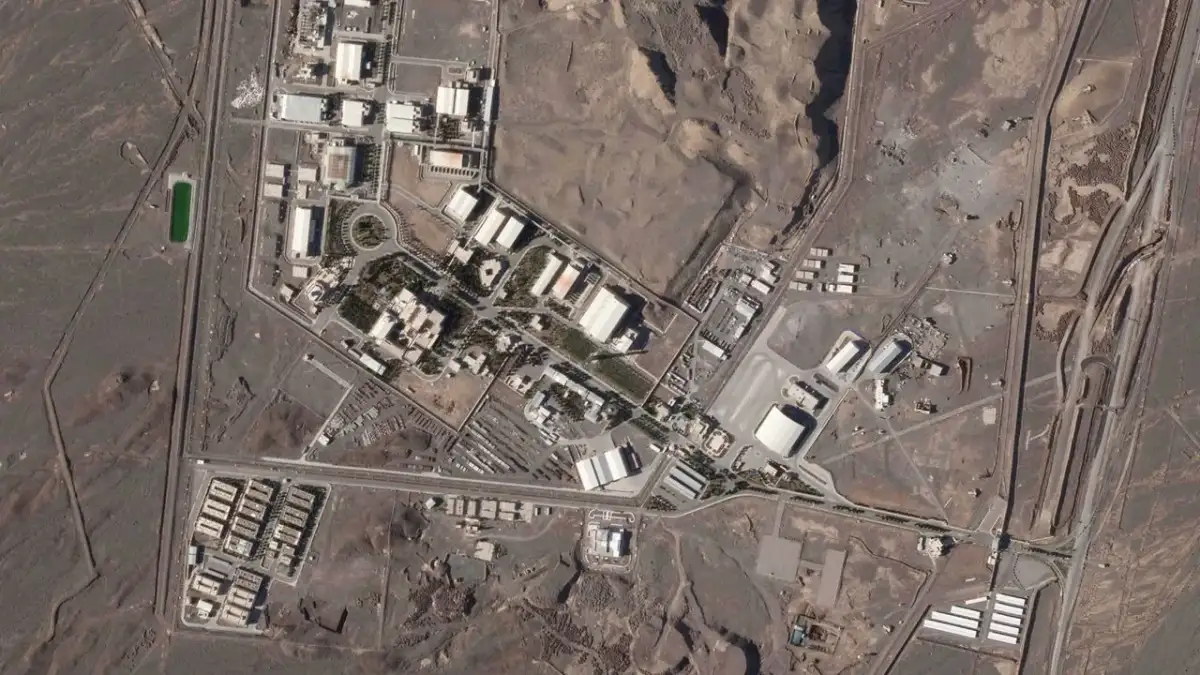
Read More: Iran Zagros Mountain Nuclear Site Construction Update April 2026
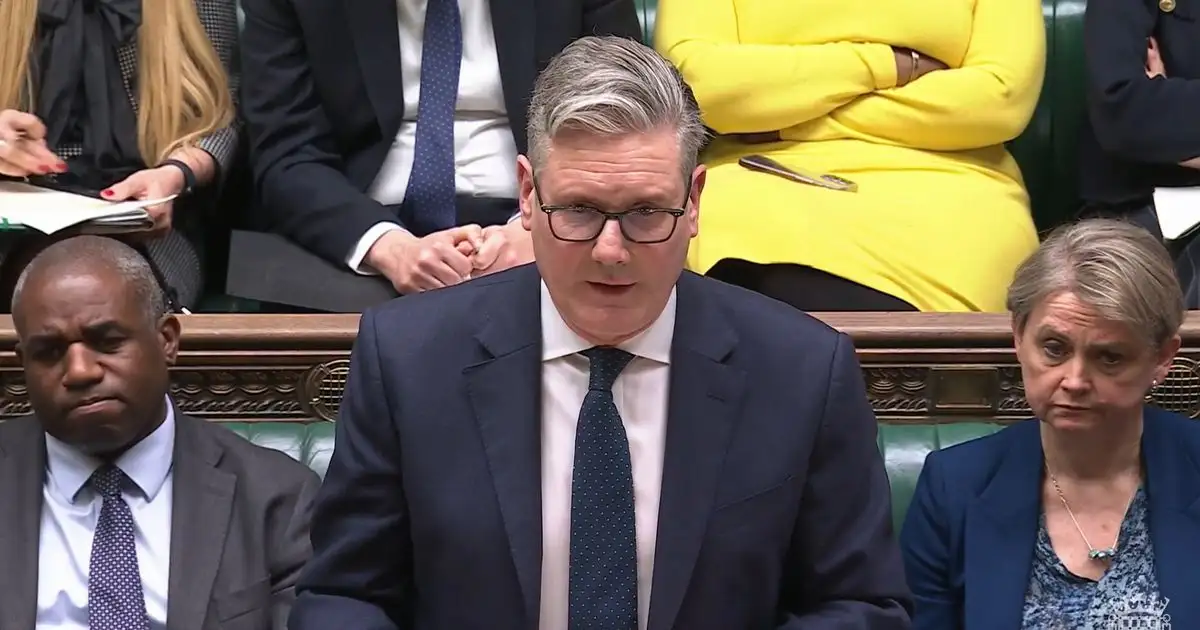
Accusations of Imitation and Lack of Originality
The comparisons to Donald Trump are not merely superficial. Some commentators have suggested Starmer is adopting Trump's 'America First' cadence without the underlying substance. This perceived lack of distinct policy or leadership during a volatile international crisis has fueled the online mockery. The use of platforms like TikTok, often associated with youth culture and informal messaging, has also drawn particular ire, seen by some as an “embarrassing” attempt to engage with contemporary issues.
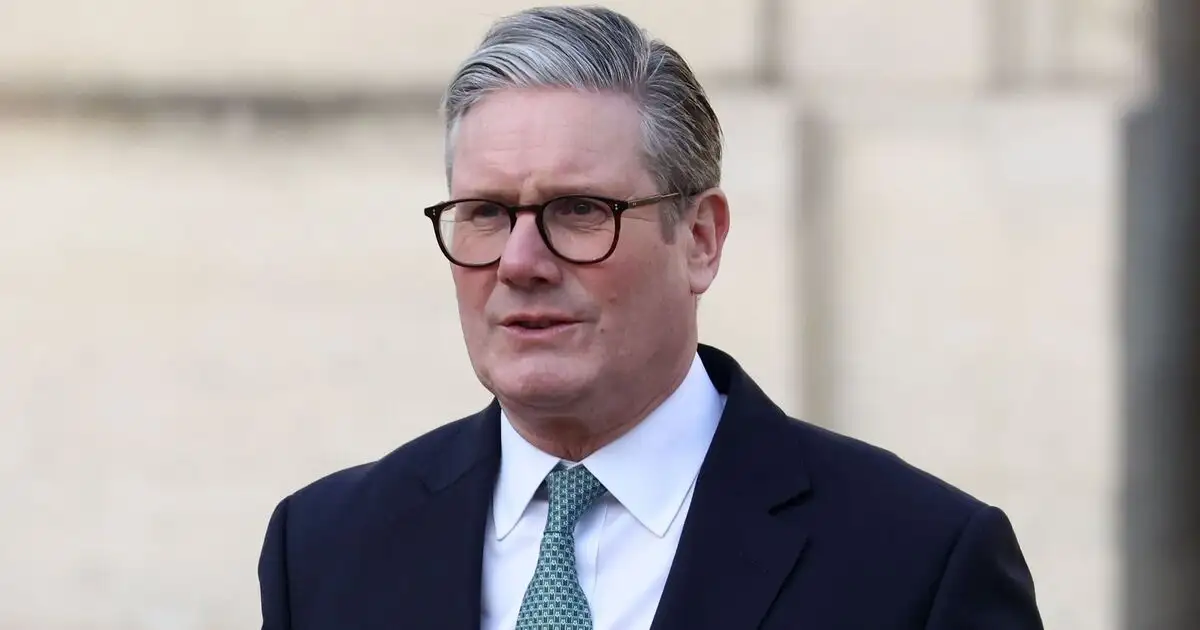
Further compounding the criticism, Starmer has been accused of being slow to condemn Trump's actions, particularly regarding US strikes on Iran and the subsequent use of British bases. While Starmer has reportedly criticized alleged attacks within Iran and questioned the use of British facilities for US purposes, the timing and clarity of these statements have been called into question.
Read More: Andrew sublet Royal Lodge cottages for years, NAO report says

Background: The Shifting Sands of International Relations
The controversy unfolds against a backdrop of significant geopolitical strain. The Iran conflict has tested the mettle of international diplomacy, exposing divisions and prompting urgent reassessments of global alliances. The "special relationship" between the US and the UK, often cited as a cornerstone of foreign policy, has reportedly come under strain during this period, with disagreements over strategy and communication tactics.
Donald Trump, having previously engaged in direct criticism of Starmer regarding the Iran situation, has himself been a figure of intense public scrutiny. His administration's actions and pronouncements have consistently generated both fervent support and widespread condemnation, making any perceived alignment or opposition a focal point for political discourse. The domestic political landscape within the UK, too, remains a significant factor, with parties vying for position and seeking to leverage international events for electoral advantage.
Read More: 40 Die in Quetta to Peshawar Bus Crash in Balochistan on April 3 2026