Prime Minister Keir Starmer is grappling with a severe crisis as four ministers have resigned from his government. This exodus follows disastrous election results for the Labour Party and a chorus of criticism from within the party ranks. Starmer, however, has declared he will "fight on" and continue governing, stating that the threshold for a formal leadership challenge has not yet been met.

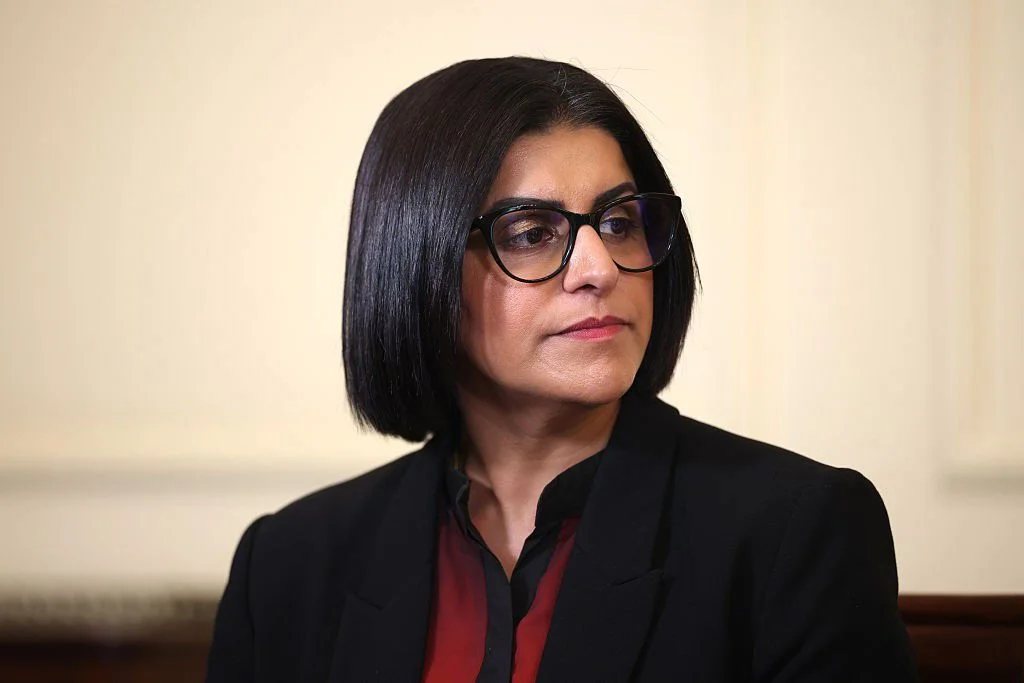
The resignations, including prominent figures like Home Secretary Shabana Mahmood and Safeguarding Minister Jess Phillips, signal a deep rift within the Labour Party following significant electoral defeats. More than 80 Labour MPs have publicly called for Starmer to step down, with some senior ministers reportedly urging him to set out a timeline for his departure. This internal turmoil has also caused market uncertainty, with the cost of long-term government borrowing reaching a 28-year high and the pound weakening, though some volatility eased after Starmer's declaration to stay.
Read More: Andrew sublet Royal Lodge cottages for years, NAO report says

Ministers Depart Amidst Leadership Storm
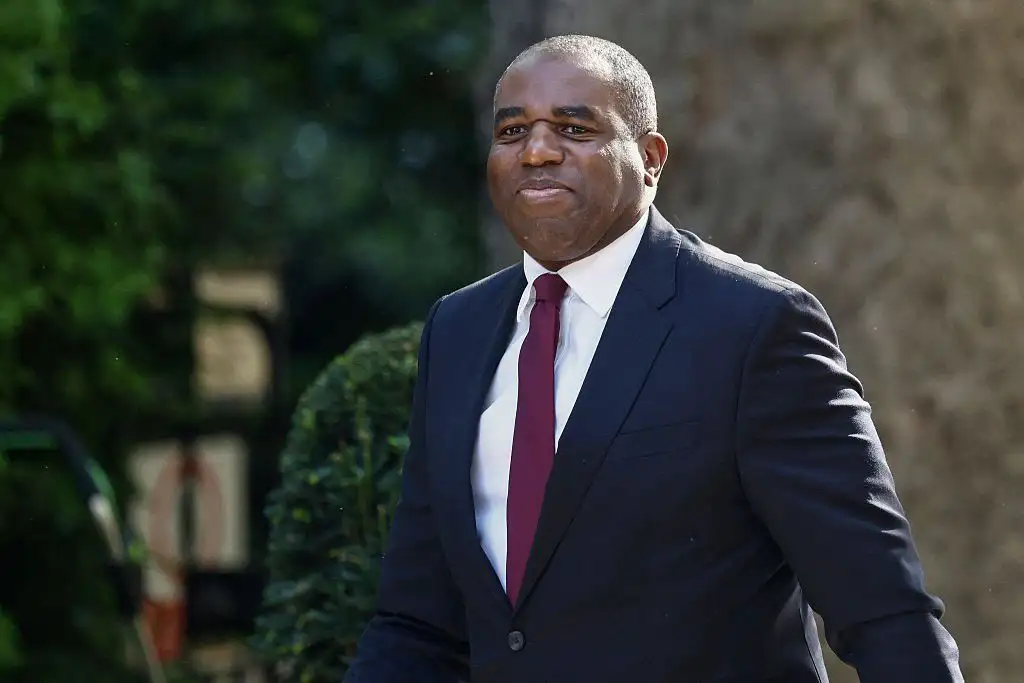
The group of ministers who have resigned includes Miatta Fahnbulleh, formerly minister for devolution, faith, and communities, who was the first to quit on Tuesday. She was followed by Jess Phillips, Zubir Ahmed, and Alex Davies-Jones. Reports suggest further resignations may be imminent. While Shabana Mahmood, the Home Secretary, has reportedly stated she will not resign and remains committed to her role, other cabinet members, including Foreign Secretary Yvette Cooper and Defence Secretary John Healey, were among those who spoke with Starmer on Monday about his position. Deputy Prime Minister David Lammy has publicly offered his support, urging colleagues to "take a breath" and prioritize the country over party infighting, warning that internal division benefits rivals like Nigel Farage.
Starmer's Defiance and Party Divisions
Despite the mounting pressure and internal dissent, Starmer convened a cabinet meeting where he asserted his intention to continue governing. He challenged potential rivals to formally initiate a leadership contest, a move requiring the backing of at least 81 MPs. In a show of solidarity, some key allies, such as Housing Secretary Steve Reed and Work and Pensions Secretary Pat McFadden, have publicly backed Starmer. However, potential leadership contenders like Health Secretary Wes Streeting have remained conspicuously silent when questioned by reporters. Former Deputy Prime Minister Angela Rayner and Greater Manchester Mayor Andy Burnham are also mentioned as figures with significant support, though Burnham would need to secure a seat in Parliament to stand.
Read More: Baroness Noakes asks why Prince Andrew's property income isn't checked
Election Debacle Fuels Unrest
The current crisis is largely a consequence of a devastating performance in recent local elections, where Labour lost nearly 1,500 councillors across England. The party also lost power in Wales and suffered its worst-ever result in the Scottish Parliament elections. These outcomes, coupled with a controversy surrounding Starmer's appointment of Peter Mandelson as US ambassador, have intensified scrutiny of his leadership and judgment. Over 100 Labour MPs have reportedly signed a statement urging unity and caution against a leadership contest, emphasizing the need to focus on governing.
Read More: UK Gov Gives £1.3bn for New Universal Studios in Bedfordshire
The political landscape is fractured, with Starmer attempting to consolidate his position against a backdrop of significant electoral failure and internal dissent. His ability to navigate this complex situation remains a critical question for the Labour Party's immediate future.