

Kashmir Media Service and The Resistance Front: A Convergence of Narratives
A Pakistan-based news portal, Kashmir Media Service (KMS), reportedly operated by editors from Kashmir, has been actively amplifying content associated with The Resistance Front (TRF). This platform, under the guise of reporting on Kashmir, disseminates narratives that allegedly promote secession from India and glorify militant actions in the region. Key individuals identified as contributors to KMS include Raies Mir, an associate editor from Pakistan-occupied Kashmir (PoK) and a native of Sopore, and Mukhtar Baba, originally from Srinagar but residing in Pakistan. Baba is noted to have received illegal arms and ammunition training in Pakistan during the 1990s.
Other prominent figures reportedly involved with KMS are Pakistan-based journalists Mohammad Raza Malik, Humayun Aziz Sandeela, and Benazir Khan. Their contributions are described as articles and commentary focused on the Kashmir issue, with a specific emphasis on circulating "malicious and false stories of alleged human rights violations and political developments in Jammu and Kashmir."
Read More: Taiwan Holds Nantou County Drills to Prepare for State Collapse
The Resistance Front: Identity and Operations
The Resistance Front (TRF) is understood to be an offshoot of Lashkar-e-Taiba (LeT), a UN-designated terrorist group based in Pakistan. The TRF emerged following India's 2019 abrogation of Article 370, which altered the special status of Jammu and Kashmir. Despite employing non-religious nomenclature and symbolism to project a secular image, the group has been linked to targeted killings of individuals from religious minority communities. The United States Department of State designated The Resistance Front as a Foreign Terrorist Organization (FTO) and a Specially Designated Global Terrorist (SDGT) on July 17, 2025.
The TRF has claimed responsibility for a series of attacks in Jammu and Kashmir, including incidents in Keran, Handwara, Sopore, Shopian, Anantnag, Reasi, and Pahalgam. The group maintains a presence on various digital platforms, including Mastodon, Chirpwire, and BiP, and utilizes outlets like 'Kashmir Fight' for propaganda, recruitment drives, and claiming responsibility for attacks. The group's leadership has included figures such as Muhammad Abbas Sheikh and Basit Ahmed Dar, the latter identified as a chief operational commander.
Read More: Secret Service Promotions After Butler Attack Criticized by Congress
A Pattern of Violence
TRF militants have been implicated in numerous violent incidents. Reports detail attacks resulting in the deaths of civilians, including BJP workers and local policemen, as well as members of security forces. Notable incidents include:
Ambush and killing of three civilians, identified as BJP workers, on October 30, 2020.
An encounter with Indian forces on November 8, 2020, resulting in the deaths of three Indian Army personnel, one BSF personnel, and three TRF militants.
A grenade attack on a CRPF party on December 23, 2020, causing two fatalities and one injury.
The assassination of jeweler Satpal Nischal on December 31, 2020.
Killings of two local policemen in Srinagar on February 19, 2021.
An ambush on municipal councillors from the BJP in Sopore on March 29, 2021, leading to the deaths of one policeman and two councillors.
The assassination of a CID Inspector on April 1, 2021.
An attack on June 27, 2021, where alleged TRF militants killed three individuals, including a local police officer, his wife, and daughter.
The killing of one local police officer and injury of another on August 7, 2021.
The assassination of Kashmiri Pandit businessman Makhan Lal Bindro in Srinagar on October 5, 2021.
The assassination of two teachers, one Hindu and one Sikh, in Srinagar on October 7, 2021.
The killing of two policemen on October 9, 2021.
The 2023 Anantnag encounter and the 2025 Pahalgam attack, the latter initially claimed by TRF but later retracted citing cyber intrusion, though TRF is still considered responsible.
An Indian soldier killed and two others wounded during a gunfight in Udhampur on April 24-25, 2025.
Digital Realm and Propaganda
The TRF has actively engaged in digital warfare, utilizing social media and online forums to spread its agenda. This includes recruitment efforts, propaganda dissemination, and claiming responsibility for attacks. Indian security officials have noted the group's presence on platforms like Telegram and have engaged in crackdowns on insurgent-related social media channels, probing and blocking numerous accounts. This digital presence is seen as an evolving tactic within the broader context of insurgency in the region, particularly following the revocation of Article 370.
Regional Ramifications and Denials
The activities of groups like the TRF have consistently fueled tensions between India and Pakistan. Following significant attacks, such as the 2025 Pahalgam attack, India has been quick to attribute responsibility to Pakistan, a claim that Pakistan has often denied. The situation has led to diplomatic measures, including border closures, expulsion of diplomats, and the suspension of the Indus Waters Treaty. International bodies, including the Financial Action Task Force (FATF), the QUAD foreign ministers, BRICS, and the Shanghai Cooperation Organisation (SCO), have condemned such attacks, emphasizing the need to bring perpetrators, organizers, and sponsors to justice.
Read More: FBI Analysts Review Georgia 2020 Election Data in Fulton County
Media Narratives
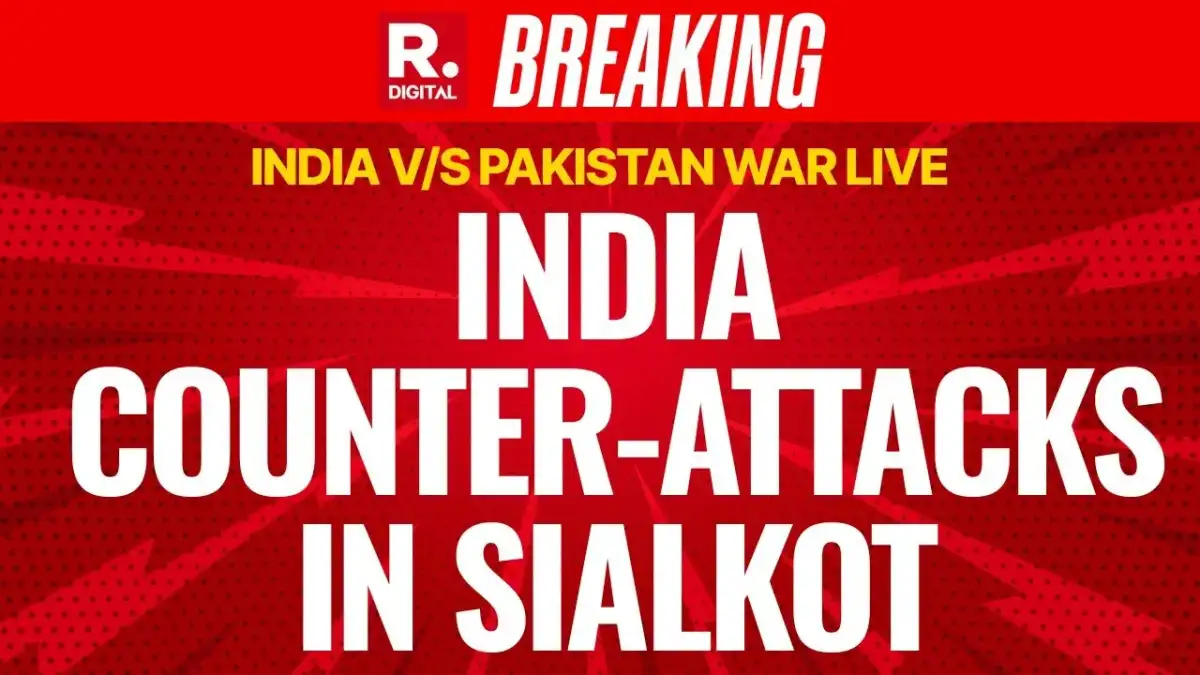
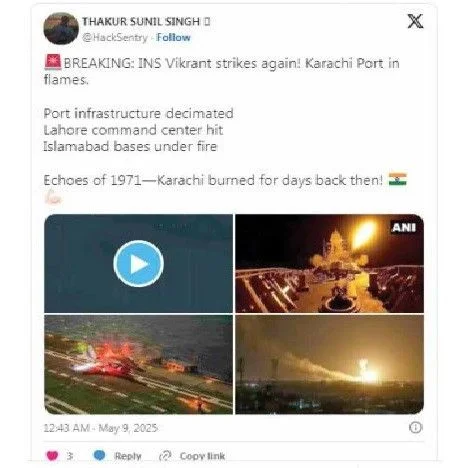
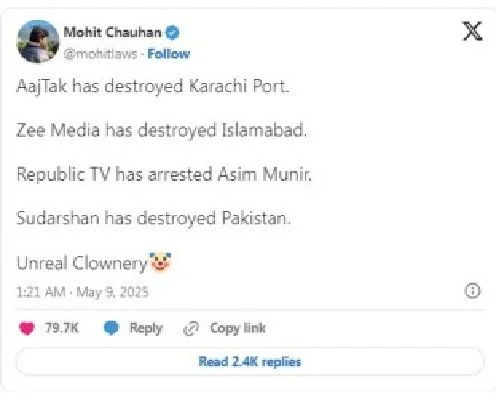
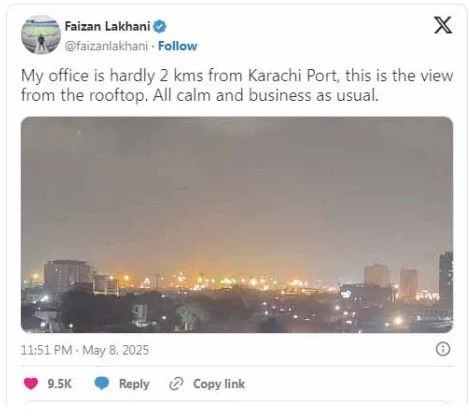
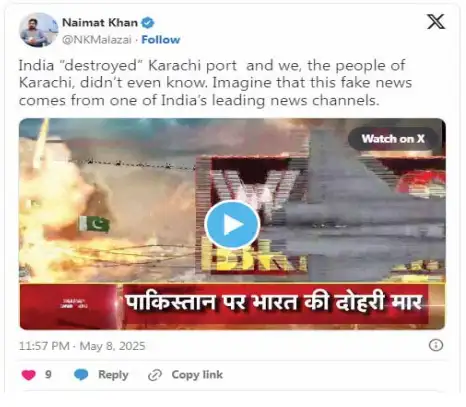
The reporting surrounding these events is itself a site of contestation. While some outlets focus on amplifying narratives linked to militant groups, others, like The Express Tribune, have critiqued what they describe as "bloodlust over truth" in Indian media coverage of conflicts with Pakistan. The dynamic often involves competing claims of victory and denial of involvement from both sides, contributing to a complex information environment.
Read More: Eight arrested in Mukhmas West Bank raid on 7 April 2026
Keywords: Kashmir Media Service, The Resistance Front, Lashkar-e-Taiba, Pahalgam attack, digital warfare, India-Pakistan tensions







