


Security Apparatus Tightens Grip as Authorities Cite 'Precautionary Measures'
Authorities in Kashmir have significantly amplified restrictions, including intensified security deployments and communication disruptions, ahead of Friday congregational prayers. This move comes in response to recent protests that erupted following the killing of Iran's Supreme Leader, Ayatollah Ali Khamenei. The measures, described as 'precautionary', aim to preempt further demonstrations and maintain order, particularly in areas anticipated to see large prayer gatherings.

Internet services have been throttled to 2G speeds, and prepaid mobile phone services have been suspended. Public transport has also been halted, and high-speed internet access has been cut across the region. These actions collectively point to a deliberate effort to control information flow and limit the scope for public assembly and dissent.

Protests Sparked by Khamenei's Death
Demonstrations against the killing of Ayatollah Ali Khamenei and what is described as 'US-Israeli aggression on Iran' began shortly after the event, with significant gatherings observed around Srinagar's Ghanta Ghar (clock tower) in Lalchowk. While officials state the scale of protests has declined over the past few days, the continued imposition of strict curbs suggests lingering unease or the potential for renewed unrest. These recent demonstrations represent one of the more substantial waves of public protest seen in the Valley in recent times, though their intensity has reportedly ebbed.
Read More: Conservative Figures Use Nonprofits for Security Funding Amid Threats

A Region on Edge
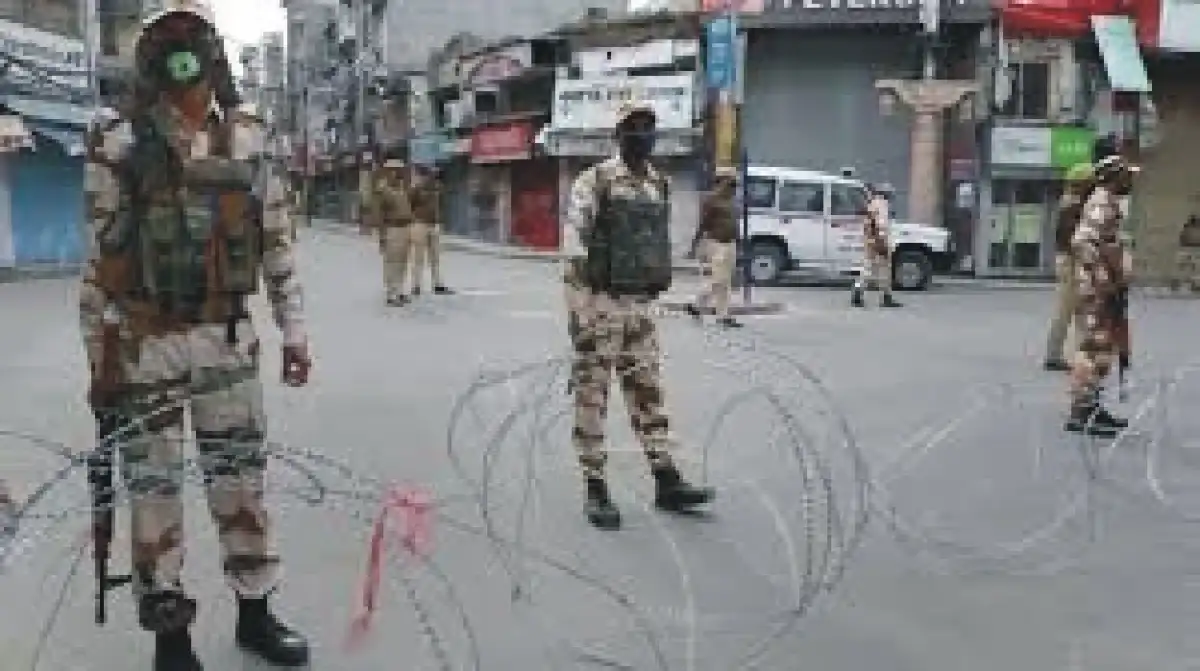
Security personnel, including police and the Central Reserve Police Force (CRPF), have been heavily deployed across Srinagar and other districts, including Baramulla, Bandipora, and Pulwama. Barricades have been erected, and areas like Lal Chowk have been effectively cordoned off, turning them into 'no-go zones'. Educational institutions, such as the University of Kashmir and Central University of Kashmir, have suspended classes and postponed examinations as part of the broader security measures.
Calls for Further Action
Amidst the heightened security, there are also calls for continued, albeit organized, expressions of dissent. An APHC spokesman urged Kashmiris to stage 'strong protests' after Friday prayers, linking the situation to alleged 'anti-Muslim agendas' and ongoing restrictions in the region. Concerns have also been raised about the arrests of young individuals, with demands for their release and the withdrawal of cases against them.
Read More: Dharamshala Rain Threatens Punjab Kings' IPL Playoff Chances
Background
The current restrictions and protests follow a pattern of similar shutdowns and security mobilizations in Kashmir's past. However, the specific trigger for the recent unrest is the killing of Iran's Supreme Leader, Ayatollah Ali Khamenei, an event that has resonated with certain segments of the population in the region, leading to public expressions of anger and solidarity. The amplified security response indicates the administration's sensitivity to such demonstrations and its determination to prevent any escalation.


