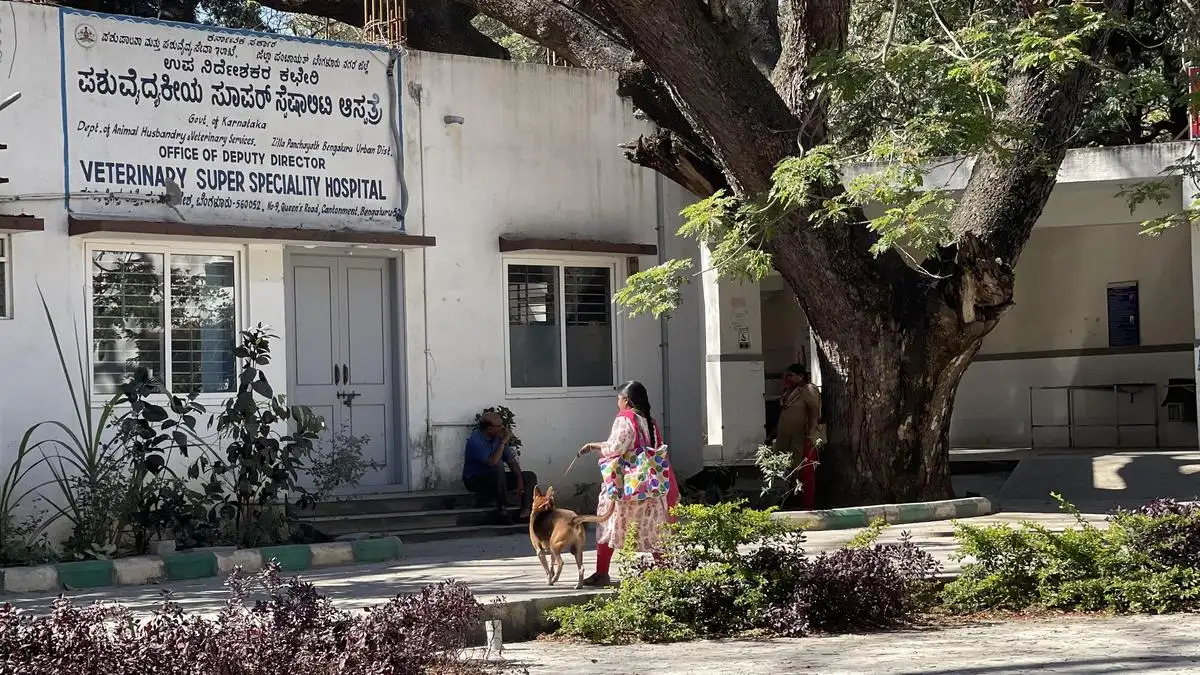
The administration in Karnataka faces a grinding halt in its recruitment engine as the Madiga community and various SC Left factions paralyzed Raichur through a coordinated bandh. At the center of the friction is a state plan to fill 56,000 government vacancies. Protesters demand these roles remain vacant until the state cements internal reservation—a sub-division of the 17% Scheduled Caste quota—ensuring that the most marginalized groups are not squeezed out by more influential sub-castes during the hiring rush.

"The state government is delaying the implementation of internal reservation and creating unnecessary confusion… recruitment should be taken up only after fixing internal reservation based on population." — Protest Spokesperson
The Fractional Split
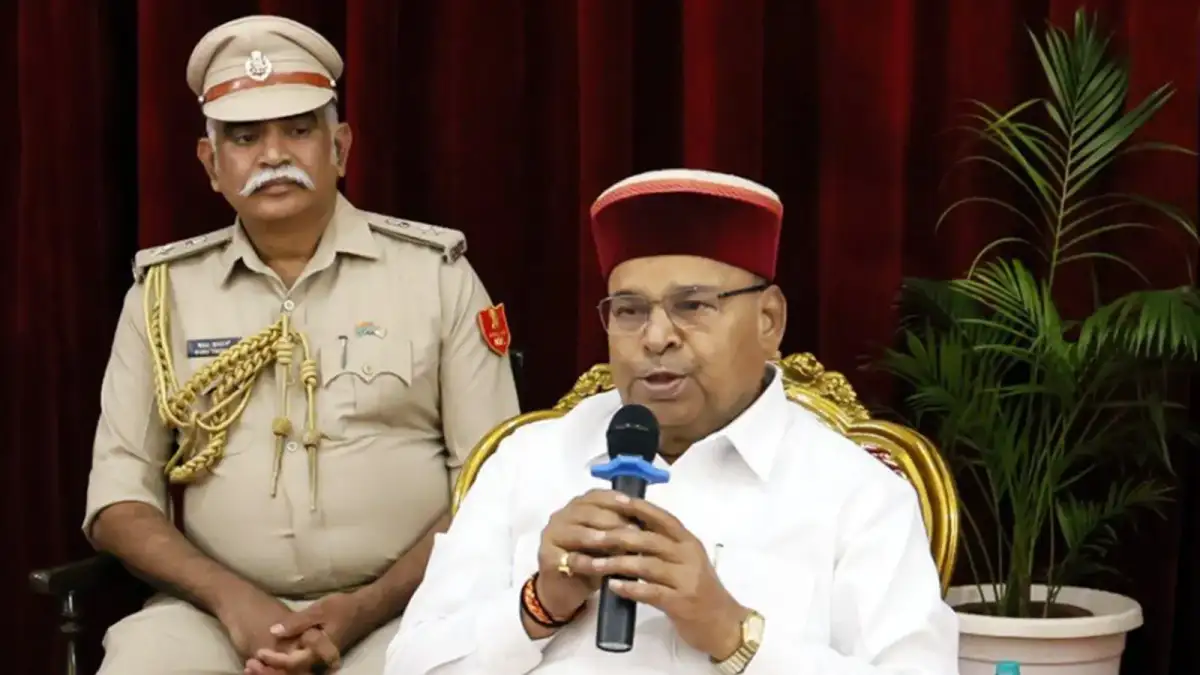
While Governor Thawarchand Gehlot recently signaled his assent to the internal quota bill, the actual math of the distribution reveals a precarious balancing act. The proposed 17% total SC reservation is sliced into three distinct silos:
| Category | Group Definition | Proposed Quota |
|---|---|---|
| Category-A | SC Left (16 communities/Untouchable) | 6% |
| Category-B | SC Right (19 communities/Touchable) | 6% |
| Category-C | Other SCs (63 communities/Most Backward) | 5% |
Note: The 5% in Category-C further splits 1% for the most disadvantaged and 4% for groups like the Bhovis, Lambanis, Korcha, and Korma.
Read More: Sreeja J S Joins Indian Forest Service After 2 Years of Hard Work in Kerala

Legal Purgatory and Ministerial Posturing
The rollout is currently snagged on a legal hook. Law Minister HK Patil has signaled that while the state moves to fill 56,432 posts, it will do so under the "old" 50% quota framework. The enhanced 2% for SCs and 4% for STs—brought about by recent state legislation—is being held in a "reserve" status, contingent on a final nod from the Karnataka High Court. This half-measure has left the Madiga community in what Minister KH Muniyappa describes as "shock," as the government attempts to navigate a path between urgent bureaucratic needs and a Supreme Court ruling that theoretically permits such sub-categorization.

Ministerial Consensus: Despite the sluggish pace, SC-community ministers claim they have reached a unified stance on the Justice HN Nagamohan Das Commission report.
The Cabinet Pivot: Minister Thimmapur suggests a cabinet meeting this Thursday may finally determine if the state will pivot toward immediate implementation or continue its current wait-and-see posture.
Street Pressure: The Raichur shutdown serves as a raw reminder that administrative delays are viewed by the SC Left not as procedural necessity, but as a deliberate dilution of promised social justice.
Background: The Paper Trail
The push for internal quotas isn't new; it is a decades-long struggle to prevent "touchable" SC groups from monopolizing the benefits meant for the entire caste spectrum. The Karnataka Scheduled Castes (Sub-categorisation in Reservation) Act, 2025 was intended to settle this, but it now sits in the shadow of two pending cases in the High Court. While Chief Minister Siddaramaiah claims Karnataka is at the "forefront" of this shift, the actual mechanics of hiring suggest a government caught between its legislative promises and the cold reality of judicial oversight.
Read More: WNBA Players Face Online Harassment Increases in April 2026