


Platform companies contest new legislation designed to provide social security and welfare, sparking union condemnation.
LEGAL BATTLE IGNITES OVER GIG WORKER RIGHTS
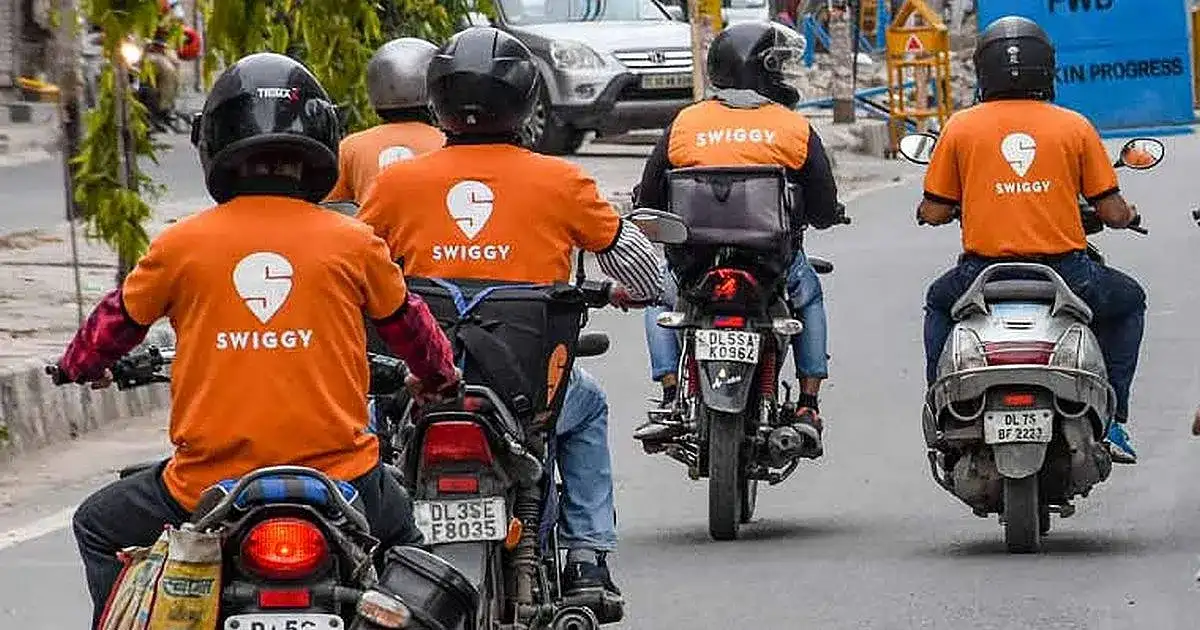
The Karnataka Platform-Based Gig Workers (Social Security and Welfare) Act, 2025, is facing a legal challenge in the Karnataka High Court. Companies including Swiggy, Zepto, Zomato, and Urban Company, alongside the Internet and Mobile Association of India (IAMAI), have filed petitions arguing the state law conflicts with existing central legislation, specifically the national Code on Social Security.
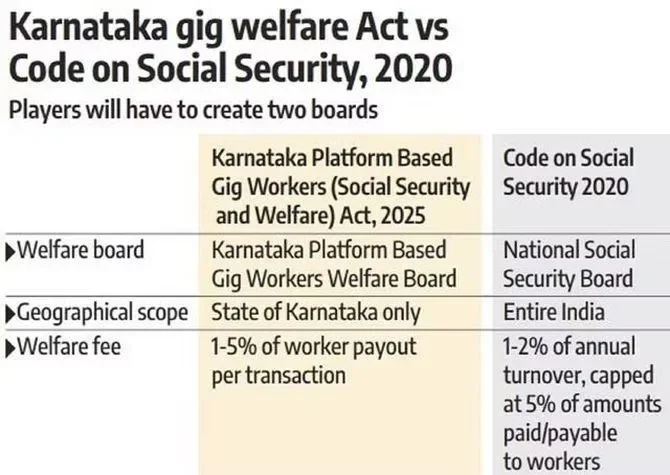
The core of the platforms' argument rests on the doctrine of repugnancy under Article 254 of the Indian Constitution. They contend that the state Act imposes "substantially similar welfare structures" and creates "additional financial obligations," effectively forcing them to contribute to welfare under two separate regimes. Petitioners claim this dual imposition, particularly a welfare fee of 1 to 5 percent of payouts per transaction, creates an undue financial burden and operational complexity.
Read More: New Faster Contracts Act for Unions Starts Talks in 10 Days
The unions, including the Indian Federation of App-Based Transport Workers (IFAT), Telangana Gig and Platform Workers Union (TGPWU), and Karnataka App-Based Workers Union (KAWU), have vocally condemned the move. They frame the legal challenge as a direct attempt to deny gig workers access to essential social security, welfare benefits, and fair working conditions.
"The reality is that gig workers across India continue to remain without adequate social protection despite years of promises."
UNIONS REITERATE CALL FOR WORKER RECOGNITION
Union leaders have strongly opposed the platforms' stance, asserting that the Karnataka Act is aligned with evolving global labour standards. They frequently cite ILO Convention No. 193 (C193), an international standard for workers in the platform economy, as evidence that such protections are becoming a global norm.
Shaik Salauddin, national general secretary of IFAT and president of TGPWU, stated that the Act "in no way replaces the COSS" (Code on Social Security), implying the platforms' legal appeal reveals their underlying "insecurity." Unions argue that social security is a fundamental right and that the digital economy should not be built on exploitation. They are urging the companies to withdraw their challenge and engage in dialogue.
Read More: Karnataka requests higher Totapuri mango limit for farmers in April 2026
"States have both the constitutional authority and moral responsibility to protect workers from exploitation and fill these gaps."
BACKGROUND: THE GIG ECONOMY AND REGULATORY DEBATE
The Karnataka Gig Workers Act, passed in 2025, aims to establish a framework for the social security and welfare of platform-based gig workers. This includes provisions for worker registration and the collection of welfare fees from aggregators. The emergence of this state-level legislation highlights a broader, ongoing debate across India regarding the classification and rights of gig workers.
While platform companies argue for regulatory clarity and to avoid duplicative compliance, worker unions and advocates maintain that existing protections are insufficient. They emphasize the precarious nature of gig work and the urgent need for a robust social safety net, referencing international labour standards to bolster their arguments for stronger worker rights in the burgeoning platform economy. Industry observers suggest the legal challenge stems from anxieties about financial stability and the potential for regional regulatory fragmentation, impacting the operational landscape for aggregators.
Read More: Yathindra Siddaramaiah Continues Father's Political Path in Karnataka


