The Karnataka government has greenlit a colossal ₹391 crore undertaking aimed at reviving the beleaguered Byramangala reservoir. The plan, spearheaded by the Minor Irrigation Department and the Bangalore Water Supply and Sewerage Board (BWSSB), purports to cleanse the waterbody within three years.
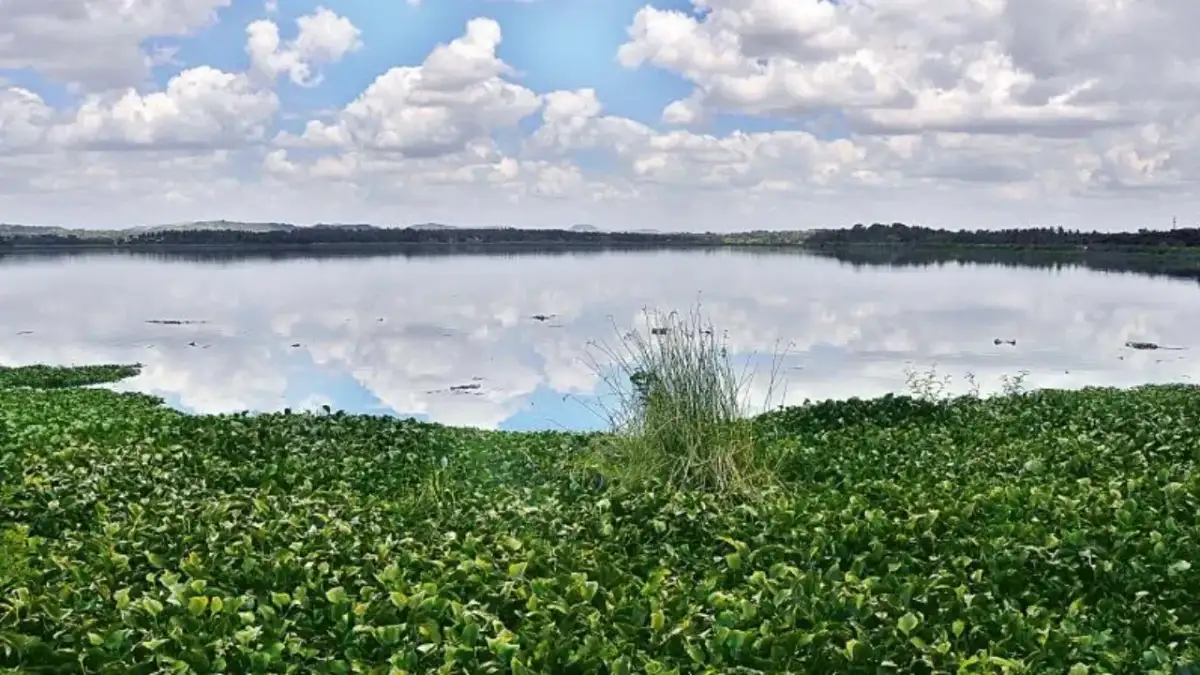
A core component involves erecting a new sewage treatment plant (STP) near the reservoir, at an estimated cost of ₹230 crore. This facility is intended to intercept untreated sewage and wastewater before it contaminates Byramangala. Simultaneously, upgrades to existing pipeline infrastructure are in progress, with a stated aim to augment supply capacity to 500 MLD. The ambition is to release "tertiary treated, ultra-pure water" into the lake, thereby restoring it as a "dependable water resource."
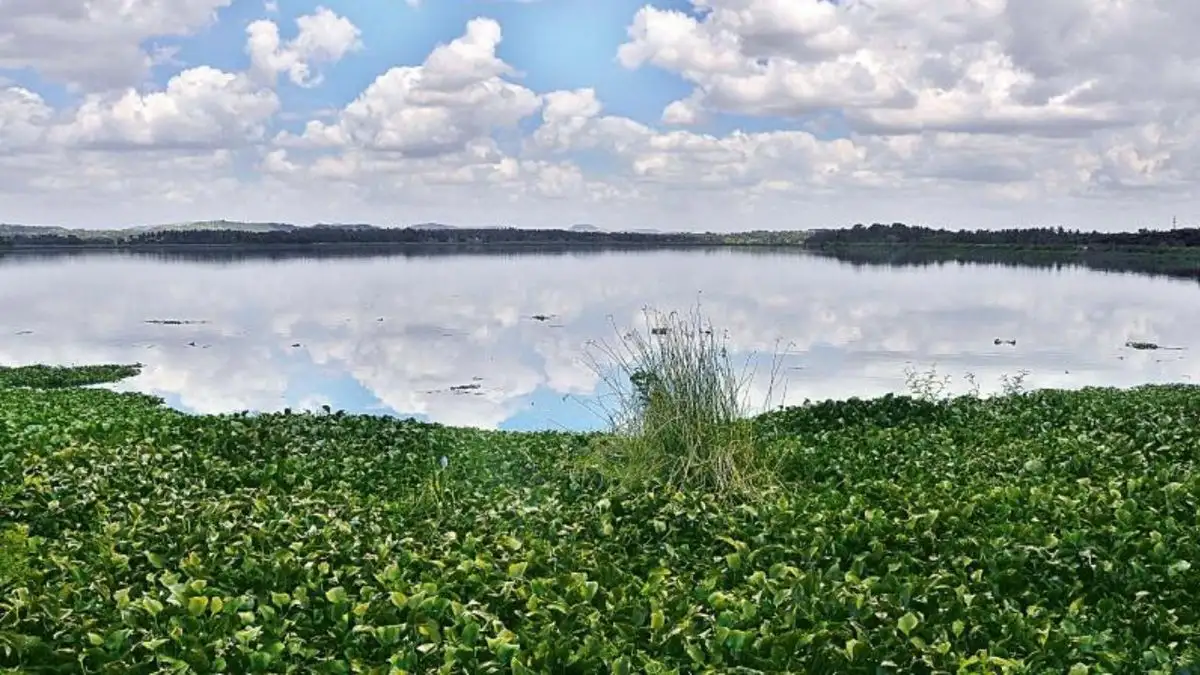
The Vrishabhavathi's Tainted Flow
Critics, however, point to a glaring omission: the plan appears to sidestep the source of Byramangala’s contamination – the Vrishabhavathi river. This waterway, coursing through Bengaluru, has been a conduit for decades of untreated sewage, transforming it into a toxic stream that feeds the reservoir.
Read More: Amazon Land Use Changes Cause Disease Clusters in Brazil

"According to a recently released report, the Karnataka government’s proposal of a ₹391 crore plan to revive the long-contaminated Byramangala reservoir reveals a fundamental disconnect from pollution reality, and fails to address the source of the pollution that has turned Vrishabhavathi river into a toxic stream."
The rationale behind this substantial investment, according to government sources and BWSSB engineers, is tied to the state’s development aspirations for Bidadi as a burgeoning satellite township. Rejuvenating Byramangala is deemed "crucial" for this expansion.

Beneath the Surface: A History of Neglect
The Byramangala reservoir, once a vital water source, has suffered severe ecological degradation due to the persistent influx of untreated effluent from Bengaluru via the Vrishabhavathi. While the new plan promises a three-year turnaround, reports indicate a history of this pollution dating back decades.
The push for revival also surfaces amidst broader concerns about the vanishing lakes of Bengaluru. In the 1970s, the city boasted over 250 lakes. Their decline, exacerbated by pollution, is seen as a growing risk, particularly as climate challenges mount. Lakes are understood by authorities and locals alike—including fishermen like Kumar who have assisted in cleanup efforts—to play a role in groundwater replenishment and mitigating urban heat.
Read More: Karnataka requests higher Totapuri mango limit for farmers in April 2026