:max_bytes(150000):strip_icc():focal(1044x261:1046x263)/Taylor-Swift-is-the-richest-female-singer-in-the-world-tout-0525ff7957be4e3185d152db1f93c659.jpg)
A judge has dismissed core sexual harassment claims brought by Blake Lively against Justin Baldoni, marking a significant procedural shift in a conflict that has moved from the film set to the courtroom. Simultaneously, the court previously struck down a $400 million defamation suit initiated by Baldoni—and his associated entities, Wayfarer Studios—against Lively and Ryan Reynolds.

The judiciary has effectively treated this litigation as a managed collision of public relations machinery rather than a clear-cut pursuit of civil grievance.
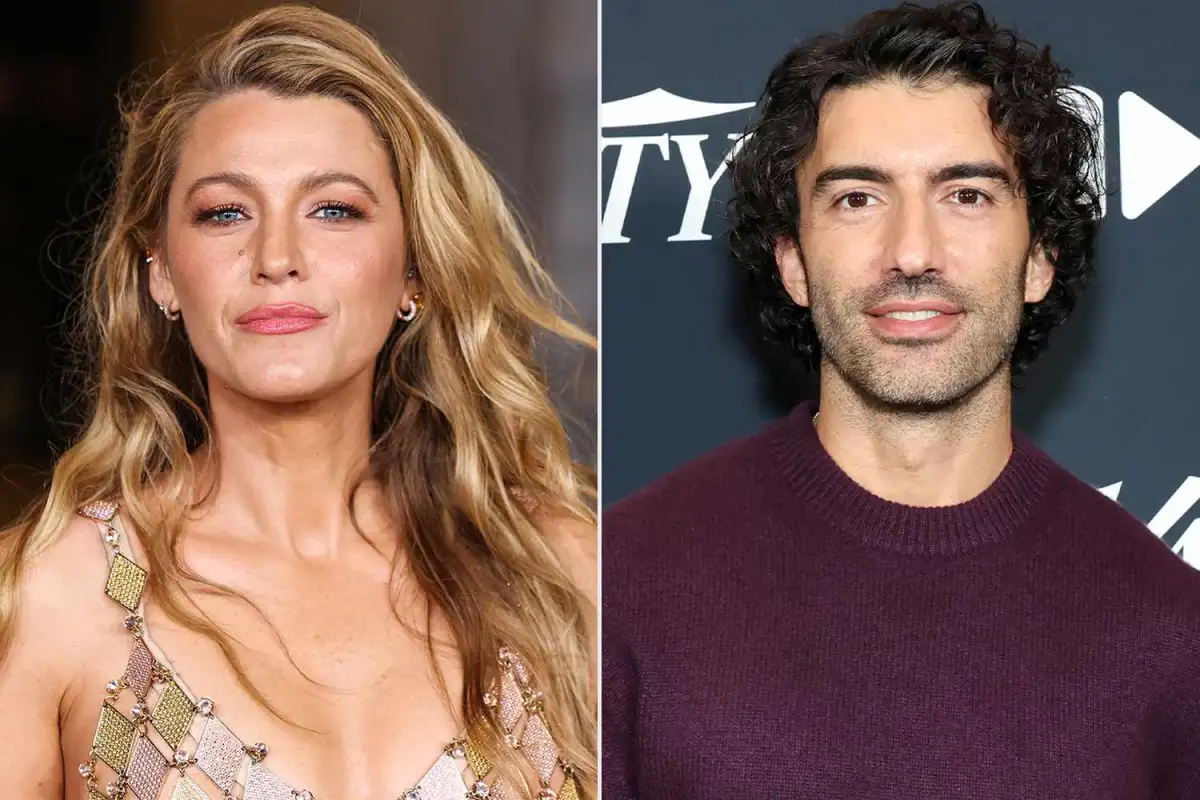
| Action | Outcome | Primary Actor |
|---|---|---|
| Harassment Allegations | Dismissed | Blake Lively |
| Defamation Suit ($400M) | Dismissed | Justin Baldoni |
| Protective Order | Granted | Blake Lively |
Procedural Volatility: While the harassment claims against Baldoni failed to gain initial traction in the pre-trial phase, the court previously granted Lively a protective order, shielding private communications and medical records from public release.
Corporate Friction: Baldoni’s original lawsuit alleged that Lively, Reynolds, and their affiliates orchestrated a smear campaign, a claim Judge Liman rejected, noting that public statements linked to formal complaints carry specific legal protections.
Information Control: The legal strategy has prioritized Media Management and the restriction of sensitive data, with both parties utilizing the courts to define the boundaries of their respective reputations.
The Anatomy of a PR Siege
The dispute represents a Complex Legal Landscape where the line between workplace advocacy and reputation management is deliberately blurred. The dismissal of Baldoni’s defamation suit centered on the principle that reporting and legal filings—even when contentious—do not automatically meet the high threshold for liability under existing defamation law.
Read More: USPTO Rejects Nintendo's "Summon and Fight" Patent Claims for Games

The Judicial Perspective suggests that the court views these claims as an escalation of private disagreements fueled by high-stakes PR involvement. By categorizing the feud as a clash between firm-led narratives, the judiciary maintains a distance from the subjective "vibes" of the individuals involved, focusing instead on the narrow definitions of privilege and protected speech.
Historical Context
The friction began during the development and promotion of a shared film project, rapidly devolving into a public Battle of Narratives. Lively initially alleged inappropriate workplace behavior and subsequent retaliation, leading to a civil rights complaint. Baldoni responded with a multi-hundred-million-dollar lawsuit targeting Lively, Reynolds, and the publication that initially aired the allegations, framing the coverage as a manufactured hit piece. As of mid-2025, the conflict remains a fragmented series of motions, with neither side yielding the Public Moral High Ground.
Read More: Judge Throws Out Most of Blake Lively's Lawsuit Against Justin Baldoni on April 2