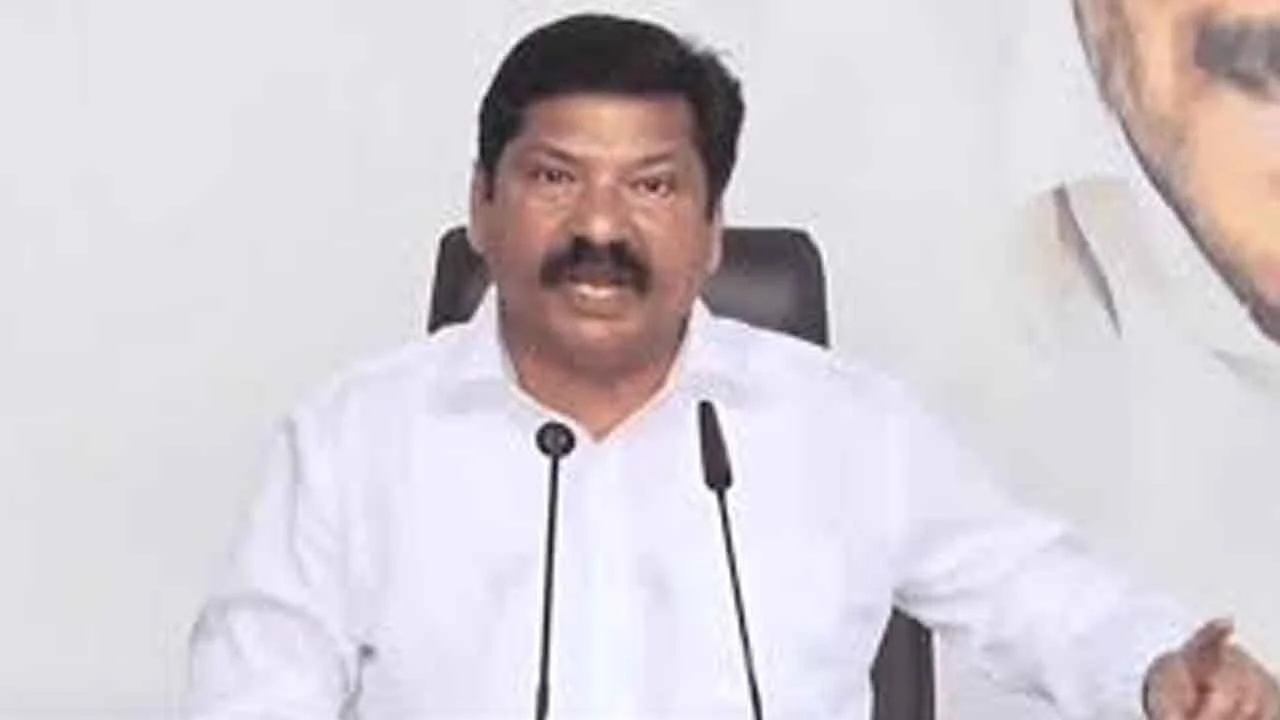
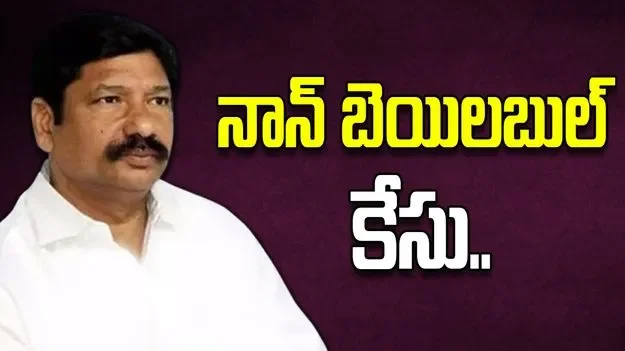
The political landscape of Andhra Pradesh is once again ablaze as former YSRCP Minister Jogi Ramesh finds himself at the center of a new legal controversy. Police have registered a case against him, carrying non-bailable charges, for alleged disruptions during a recent visit by former Chief Minister Y.S. Jagan Mohan Reddy to Ibrahimpatnam in the NTR district. This latest development, unfolding on February 6, 2026, adds another layer to the already charged political atmosphere, raising critical questions about the tactics employed by political parties and the enforcement of law and order.
The core allegations against Ramesh revolve around organizing a bike rally, public gathering, and causing what police describe as "public nuisance" and obstructing their duties. These actions allegedly occurred during Reddy's tour, sparking debate about the line between political campaigning and disruptive behavior. The timing, coupled with recent events and Ramesh's own history, demands a closer, more critical examination.
Read More: South Australia Election 2024: Labor Wins, One Nation Surges Past Liberals
A Pattern of Controversy: Past Incidents Cast a Long Shadow
This isn't the first time Jogi Ramesh has faced legal scrutiny. His recent past is marked by incidents that have drawn significant attention, and often criticism. Understanding these prior events is crucial to contextualizing the current allegations and discerning any potential patterns of behavior.
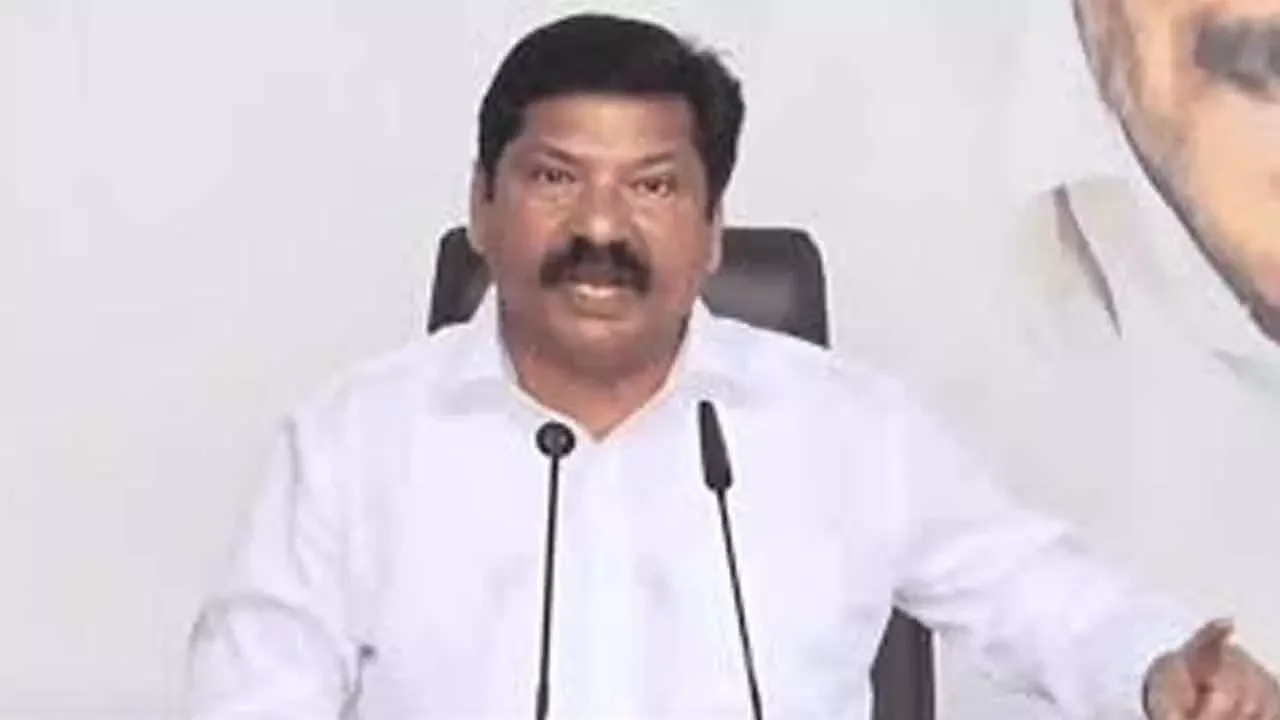
November 2025 Incident: Barely a few months prior, in November 2025, a case was registered against Ramesh's wife and two sons, along with other party supporters. This incident involved allegations of manhandling police personnel and damaging property at a government hospital in Vijayawada. The timing was particularly sensitive, occurring while Ramesh and another individual were being transferred to the hospital before a court appearance in a spurious liquor case. The Police Commissioner’s strong reaction and directive for legal action underscore the seriousness with which such assaults on law enforcement are viewed.
Spurious Liquor Case Involvement: The November 2025 incident directly stemmed from a spurious liquor case, indicating a recurring entanglement with legal challenges. While details of the resolution of this case are not explicitly provided in the input, its association with Ramesh's family and supporters' alleged actions at the hospital is significant.
Previous Rallies and Gatherings: The current charges echo previous accusations. Reports suggest Ramesh has been involved in organizing rallies and gatherings in the past. The invocation of charges related to "public nuisance" and "unlawful assembly" indicates a recurring concern for authorities regarding the nature and conduct of these events.
Allegations of Provocative Actions: Significantly, the current charges also include acting "provocatively in sensitive areas." This raises the question of intent: Was the gathering purely for political solidarity, or was there an element of deliberate escalation intended to provoke a reaction or disrupt public peace?
These past events paint a picture of a political figure frequently navigating, and sometimes clashing with, legal boundaries. The question remains: Are these isolated incidents, or do they point towards a deliberate strategy?
The Legal Net: Charges Under New Laws
The current case against Jogi Ramesh is particularly noteworthy for its reliance on provisions from the recently introduced Bharatiya Nyaya Sanhita (BNS) and Bharatiya Nagarik Suraksha Sanhita (BNSS). This signals a shift in the legal framework being applied.
The specific sections invoked are:
Section 132 (BNS): This pertains to disrupting a government official from discharging their duties. The police claim their work was impeded during the political visit.
Section 190 (BNS): This relates to unlawful assembly. The gathering of supporters is being viewed through this lens.
Section 292 (BNS): This covers causing public nuisance. The disruption of traffic and inconvenience to the public falls under this.
The choice of these new laws is significant. How will these new provisions be interpreted and applied in practice? Are they being used as intended, or is there a risk of their being weaponized for political retribution?
Read More: Andhra Pradesh APGENCO makes record 6,160 MW power output on March 11
| Section of Law | Allegation | Impact on Public Order |
|---|---|---|
| 132 (BNS) | Disrupting police duties | Hinders law enforcement and public safety measures |
| 190 (BNS) | Unlawful assembly | Potential for escalation, loss of control |
| 292 (BNS) | Causing public nuisance | Inconvenience, disruption of daily life, safety risks |
| Other charges | Blocking roads, provocative acts | Traffic chaos, potential for conflict |
The fact that the case is non-bailable implies that Ramesh will likely need to seek judicial intervention for release, a more stringent process than obtaining bail for bailable offenses.
Political Echoes: The "Jungle Raj" Accusations
The registration of the case against Jogi Ramesh has been met with a strong reaction from the YSRCP. Party chief Jagan Mohan Reddy has reportedly vowed to "explore all legal avenues to expose ‘Jungle Raj’ in Andhra Pradesh." This rhetoric frames the current actions not as a straightforward law enforcement matter, but as politically motivated persecution.
This accusation of "Jungle Raj" — a term often used to describe a state of lawlessness or authoritarian rule — is a powerful political weapon. It implies that the ruling establishment is using the legal system to suppress opposition voices.
"We will explore all legal avenues to expose ‘Jungle Raj’ in Andhra Pradesh."— Jagan Mohan Reddy, YSRCP Chief
This framing raises critical questions:
Is the YSRCP’s “Jungle Raj” accusation a genuine concern about the misuse of power, or a strategic defense to deflect scrutiny from their own party's actions?
How does the current government, led by Chief Minister Naidu, respond to such allegations? Is there a clear, transparent process for addressing complaints of political harassment?
What are the implications for democratic discourse when accusations of "Jungle Raj" become commonplace in political discourse? Does it erode public trust in institutions?
The placement of "blood tilaks" on Jagan's pictures by YSRCP cadre, as mentioned in one report, further illustrates the charged emotional and symbolic nature of these political contests. Such actions, while perhaps intended as displays of loyalty or defiance, can also be seen as inflammatory.
Read More: Tamil Nadu Election: DMK offers 5 seats to CPI(M) causing alliance worry
The Role of Police and Public Complaint
The police action is reportedly based on a complaint filed by SI Ravi Varma from the Ibrahimpatnam Police Station. The reports also mention cases being registered based on "public complaints and ground-level reports." This dual basis for action raises further inquiry:
Who are these "public complainants"? Are they genuinely aggrieved citizens, or individuals acting at the behest of political factions?
How much weight is given to "ground-level reports" versus verifiable evidence? Is there a risk of subjective interpretation influencing official action?
The allegations of "public nuisance" and inconvenience suggest that the actions of the rally attendees directly impacted ordinary citizens. Were the disruptions significant enough to warrant the current legal response?
Could the police action be perceived as a direct response to the YSRCP’s recent activities, especially in the wake of a change in government? The sensitivity surrounding such transitions in power in Indian states is well-documented.
The decision to register a case under non-bailable sections suggests that the police believe the alleged offenses are serious enough to warrant a more stringent approach. The question is whether this seriousness is solely based on the observed actions or influenced by the broader political context.
Looking Ahead: Accountability and Political Discourse
The unfolding situation with Jogi Ramesh presents a complex interplay of political rivalry, legal processes, and public order. The application of new laws, the historical context of controversies, and the charged rhetoric from political leaders all contribute to a volatile scenario.
For a truly free-thinking, investigative approach, we must ask:
Read More: Mylavaram Headmaster Suspended After Substandard Mid-Day Meal Video
Was the rally genuinely disruptive, or is this a politically motivated crackdown? The burden of proof lies with the prosecution.
What specific evidence do the police have to substantiate the claims of disruption, public nuisance, and obstruction of duties under the new BNS and BNSS sections?
How will the courts interpret and apply these new legal provisions in cases involving political gatherings? This could set important precedents.
Is there a risk of a cycle of politically motivated cases and counter-accusations between ruling and opposition parties, further polarizing the state?
What measures can be put in place to ensure that political activities do not routinely disrupt public life, while also protecting the fundamental right to assembly and expression?
The recent case against Jogi Ramesh is more than just an isolated legal event. It is a symptom of the intense political contestation in Andhra Pradesh. The coming days will reveal how the legal system navigates these challenges and whether it can uphold fairness amidst the political storm. The outcome will have implications not just for Jogi Ramesh, but for the broader health of democratic engagement in the state.
Sources:
The Hindu: https://www.thehindu.com/news/national/andhra-pradesh/ntr-police-register-case-against-former-ysrcp-minister-jogi-ramesh/article70603163.ece
The Hans India: https://www.thehansindia.com/andhra-pradesh/andhra-pradesh-police-register-another-case-against-jogi-ramesh-1046328
NTV Telugu: https://ntvtelugu.com/andhra-pradesh-news/ntr-district/non-bailable-case-filed-against-ysrcp-senior-leader-jogi-ramesh-over-rally-and-public-nuisance-932459.html
The South India Times: https://thesouthindiatimes.com/states/andhra-pradesh/non-bailable-case-filed-against-jogi-ramesh-after-police-complaint/
M9.news: https://www.m9.news/politics/non-bailable-case-filed-again-on-jogi-ramesh/
Andhra Jyothy: https://www.andhrajyothy.com/2026/andhra-pradesh/krishna/non-bailable-case-filed-against-ycp-leader-jogi-ramesh-over-public-nuisance-ntr-district-suchi-1492410.html
Article.wn.com (via Le Monde): https://article.wn.com/view-lemonde/2026/02/02/YSRCPleaderJogiRameshbookedforremarksagainstCMNaidu/
The Times of India: https://timesofindia.indiatimes.com/city/vijayawada/case-against-jogi-rameshs-family-for-assaulting-police-damaging-hospital-property/articleshow/125092264.cms