The nation's security agency, the Department of Homeland Security (DHS), is under fire. House Minority Leader Hakeem Jeffries is calling for "dramatic reform," specifically targeting Immigration and Customs Enforcement (ICE), citing concerns that agents are behaving like "masked thugs" and unleashing "brutality on law-abiding American citizens." This fiery rhetoric, coming from a key Democratic leader, signals a deep schism over the agency's operations and its funding. What exactly is driving this intense push for change, and what are the potential consequences for the future of homeland security in America?
The Spark: Funding Battles and Unanswered Questions
The recent legislative battles over funding the Department of Homeland Security have ignited a fierce debate, with House Democrats, led by Minority Leader Hakeem Jeffries, vowing to oppose bills that they believe fail to address fundamental issues within the agency. This opposition is not just about budgetary numbers; it's a loud and clear demand for a shift in how DHS, and particularly ICE, operates on the ground.
Read More: South Australia Election 2024: Labor Wins, One Nation Surges Past Liberals

Jeffries' core message is stark: DHS needs "dramatically reformed." This isn't a minor tweak; it's a call for a fundamental overhaul, with ICE operations drawing particular ire. The context is critical: this outcry comes amidst stalled funding debates, suggesting that Democrats are using the leverage of government funding to force concessions on policy and oversight.
A History of Controversy: ICE's Record Under Scrutiny
The calls for reform are not appearing out of thin air. Immigration and Customs Enforcement (ICE) has been a recurring flashpoint for criticism for years. Past incidents and documented practices have fueled public concern and intensified scrutiny from civil liberties groups and lawmakers.
Allegations of Misconduct: Numerous reports and lawsuits have detailed accusations of excessive force, inhumane detention conditions, and discriminatory practices by ICE agents.
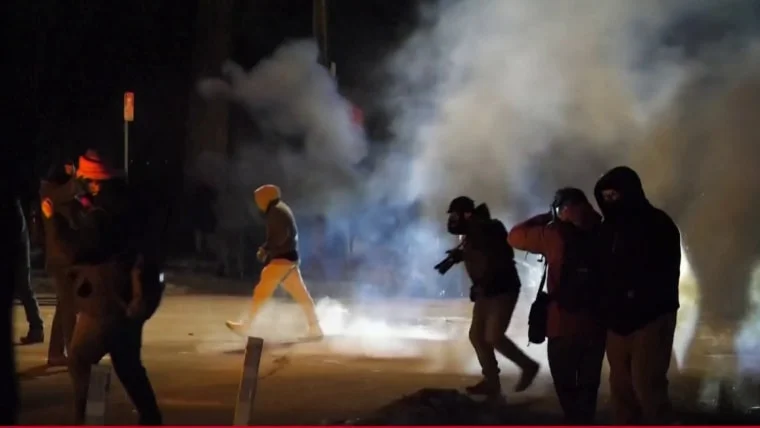
The "Masked Thugs" Rhetoric: Jeffries' specific description of some ICE agents as "masked thugs" echoes a sentiment voiced by critics who have observed agents, particularly during protest responses, operating in ways that some deem intimidating or overly aggressive. This raises the question: Are these isolated incidents, or do they reflect a broader pattern of behavior within the agency?
Past Encounters and Investigations: There have been high-profile incidents where ICE operations have led to civilian deaths or serious injuries, often sparking calls for independent investigations and accountability. For instance, the fatal shooting of a Minneapolis woman by an ICE officer this past month (as noted in Article 5) served as a recent catalyst, highlighting the immediate stakes involved in ICE's enforcement actions.
| Incident Type | Documented Concerns | Criticisms |
|---|---|---|
| Use of Force | Excessive force allegations, use of less-lethal weapons in civilian areas | Accusations of brutality, lack of de-escalation training |
| Detention Conditions | Overcrowding, inadequate medical care, due process concerns | Reports of inhumane treatment, prolonged detentions without adequate review |
| Enforcement Tactics | Aggressive raids, separating families, targeting vulnerable populations | Claims of racial profiling, fear-mongering, disruption of communities |
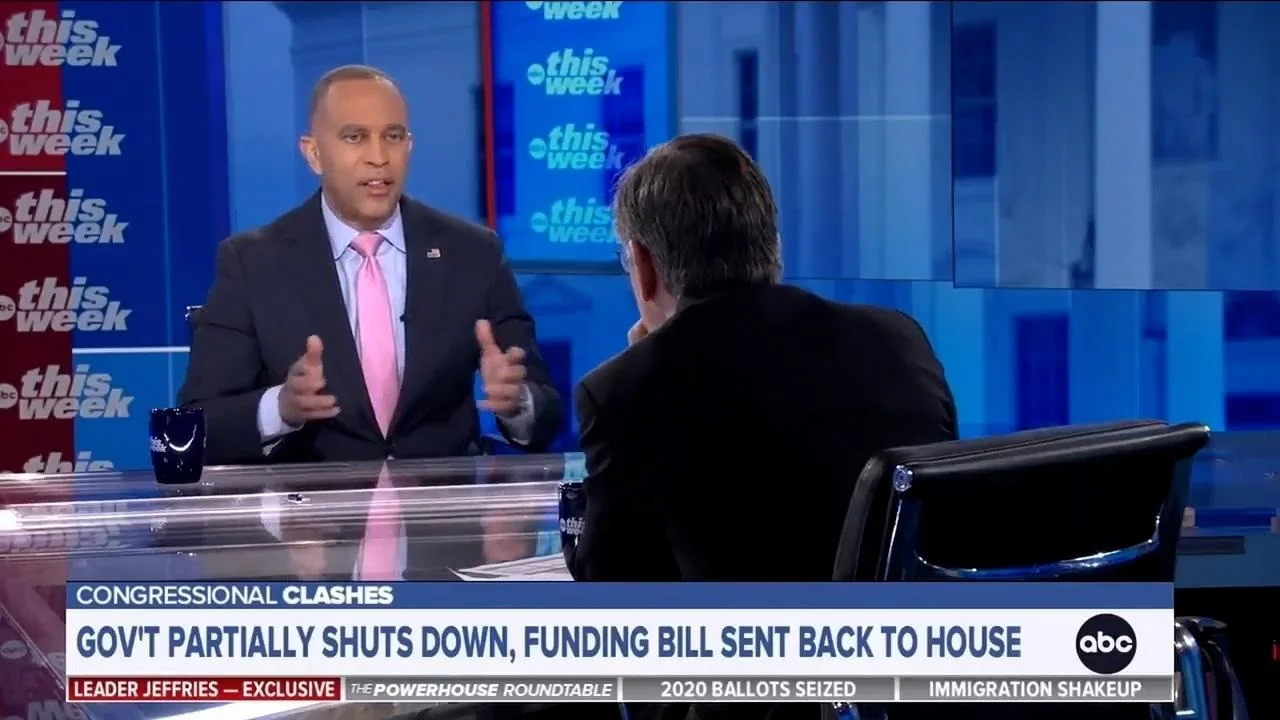
"ICE agents should conduct themselves like every other law enforcement agency in the country as opposed to running around — masked thugs, in many instances unleashing brutality on law-abiding American citizens." - Hakeem Jeffries (Article 3)
This direct quote from Jeffries encapsulates the severity of his accusations. It paints a picture of an agency operating outside the bounds of typical law enforcement, raising profound questions about accountability and oversight. What specific protocols are in place to prevent such alleged "brutality," and how effective are they?
The Political Chess Match: Funding as Leverage
The current standoff over DHS funding is more than just a procedural debate; it's a high-stakes political negotiation. House Democrats, by opposing funding bills that lack substantive reforms, are strategically using their leverage to pressure Republicans and the Biden administration.
Read More: House Republicans consider new bill for more military money amid Iran tensions
Democrats' Demands: Beyond criticizing current practices, Democrats are outlining specific demands for reform. While the details may vary, the overarching goal is to introduce greater oversight and accountability into DHS operations.
The Role of Speaker Johnson: House Speaker Mike Johnson faces a difficult balancing act. He needs to pass funding bills to keep the government operational, but he also needs to navigate the demands of his own party, which may be less inclined towards the reforms Democrats are seeking. Jeffries' communication to Johnson, informing him of the Democratic opposition to fast-tracking DHS funding (Article 3), underscores the deliberate nature of this political strategy.
The Broader Political Landscape: This fight over DHS funding is also occurring within the context of broader political realignments and the upcoming election cycle. For Democrats, portraying themselves as champions of civil liberties and responsible governance while holding Republicans accountable for alleged extremism (as mentioned in Article 4) could be a key messaging strategy.
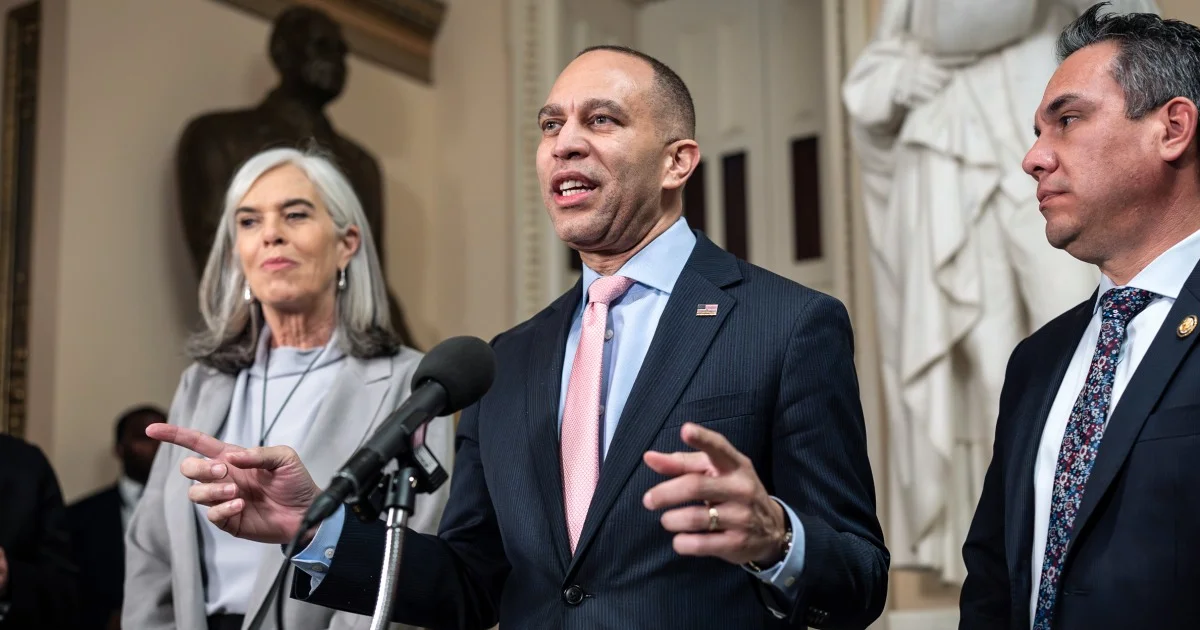
"House Democrats to meet on how to proceed as they seek to reform ICE operation." (Article 3)
This internal Democratic caucus meeting highlights the party's unified stance, at least at the leadership level, on the need for action. How will this internal resolve translate into tangible legislative progress?
What Does "Dramatic Reform" Actually Mean?
The phrase "dramatic reform" is powerful, but it can also be vague. To understand the true implications of Jeffries' call, we need to dissect what specific changes he and the Democratic caucus might be advocating for.
Oversight and Accountability Mechanisms: Are Democrats pushing for independent bodies to investigate ICE misconduct? Stricter disciplinary measures for agents found to have violated policy or engaged in excessive force?
Operational Changes within ICE: Could this involve changes to how ICE agents conduct themselves in public, their use of surveillance technology, or their collaboration with local law enforcement? The "masked thugs" comment, in particular, might allude to tactics used during protests. What specific training or policy changes are being proposed to prevent such tactics?
Revisiting ICE's Mandate: In its most extreme form, "dramatic reform" could even question the very scope and authority of ICE itself. Are there calls to scale back its operations or redefine its priorities?
Data Transparency: Jeffries also mentioned the Justice Department withholding documents (Article 3). This points to a broader demand for transparency. What kind of data regarding ICE's operations, use of force, and detention statistics are Democrats seeking, and why is its withholding considered problematic?
| Area of Reform | Potential Democratic Demands | Questions to Consider |
|—-|—-|—-|| Oversight | Independent review boards, stronger internal affairs investigations | Who would sit on these boards? What powers would they have? || Accountability | Stricter penalties for misconduct, clear disciplinary paths | How would accountability be enforced across different field offices? || Operations | Changes to protest response protocols, limitations on surveillance | What specific tactics are deemed unacceptable? || Mandate | Reevaluation of ICE's enforcement priorities | Should ICE focus more on national security threats and less on broad immigration enforcement? || Transparency | Public release of performance metrics, incident reports | What level of detail is considered appropriate for public release? |
Read More: Tamil Nadu Election: DMK offers 5 seats to CPI(M) causing alliance worry
The Road Ahead: A Contentious Future for Homeland Security
Hakeem Jeffries' strong pronouncements signal a deepening divide over the role and conduct of the Department of Homeland Security. The push for "dramatic reform" suggests that Democrats are unwilling to rubber-stamp funding for an agency they perceive as operating without sufficient checks and balances.
Implications for Funding: The continued opposition to DHS funding bills could lead to further government shutdowns or continuing resolutions, creating uncertainty and impacting the agency's ability to function effectively. What is the long-term cost of this legislative gridlock?
Public Perception and Trust: The stark language used by Jeffries, comparing some agents to "masked thugs," is likely to resonate with segments of the public concerned about civil liberties and police conduct. How will this rhetoric shape public trust in DHS and ICE?
The Biden Administration's Role: The Biden administration, which oversees DHS, will be under pressure to either support significant reforms or find ways to bridge the gap between Democratic demands and Republican resistance. Will the administration be able to broker a compromise, or will it be caught in the political crossfire?
"What is clear is that the Department of Homeland Security needs to be dramatically reformed." - Hakeem Jeffries (Article 4)
This reiteration of his core message underscores the Democratic leader's unwavering stance. The path forward for DHS funding and reform is likely to be fraught with continued political conflict. The fundamental question remains: Can the nation's security be effectively managed while simultaneously ensuring that the agencies tasked with its protection adhere to the highest standards of conduct and accountability, or will the pursuit of security lead to the erosion of civil liberties? The coming weeks and months will reveal whether Jeffries' demands will lead to meaningful change or remain a powerful, yet unfulfilled, call to action.
Read More: FBI Warns California of Unverified Iran Drone Attack Plot in February 2026
Sources:
NPR: https://www.npr.org/2026/02/06/nx-s1-5702686/house-minority-leader-hakeem-jeffries-talks-about-the-changes-hed-like-to-see-at-dhs
PBS NewsHour: https://www.pbs.org/newshour/show/jeffries-outlines-democrats-demands-for-changes-at-dhs-and-ice-amid-funding-battle
ABC News: https://abcnews.go.com/Politics/jeffries-dhs-dramatically-reformed-after-democrats-delay-government/story?id=129749877
Democratic Leader House Website: https://democraticleader.house.gov/media/press-releases/leader-jeffries-abc-department-homeland-security-needs-be-dramatically
NBC News: https://www.nbcnews.com/politics/congress/house-democratic-leaders-will-oppose-dhs-funding-bill-party-rages-ice-rcna255220
AOL (AP News): https://apnews.com/article/congress-elections-house-hakeem-jeffries-democrats-speaker-f503bef15e57604206e88c53edb3ad57