Tokyo and Canberra are set to solidify their strategic partnership, with Japanese Prime Minister Sanae Takaichi meeting Australian Prime Minister Anthony Albanese this week. The discussions, focused on energy security and critical minerals, underscore a concerted effort by both nations to bolster their economic resilience and counter the expanding influence of China in the Indo-Pacific. This meeting follows a period of increasing security cooperation, including joint naval exercises, and signals a shift towards a more integrated approach to regional stability.
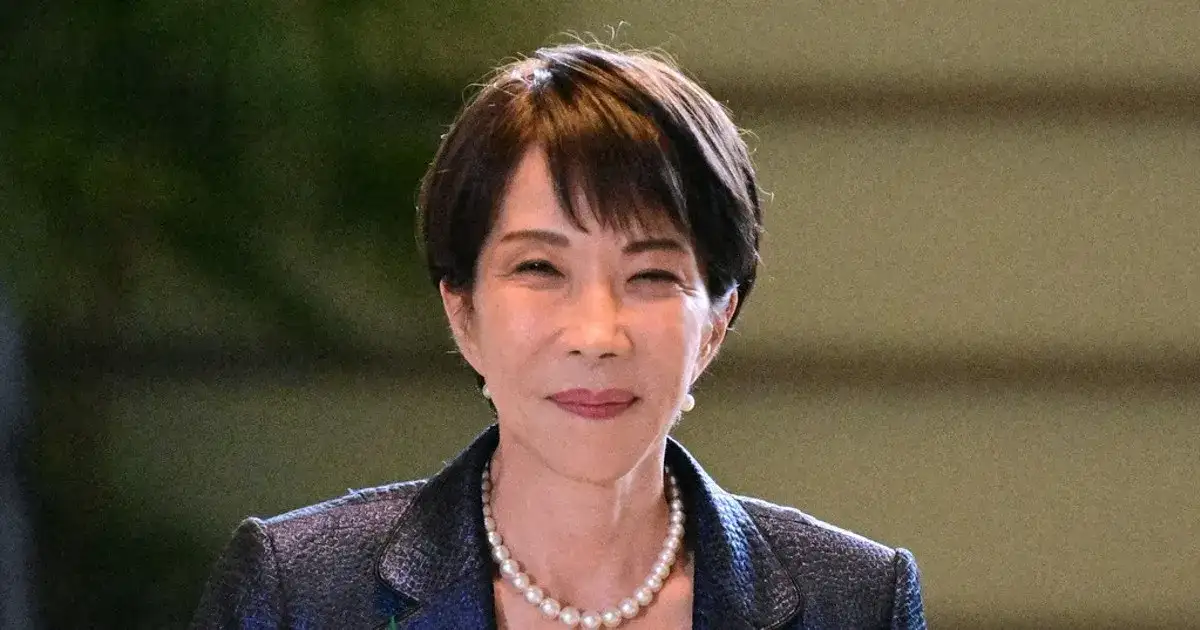
Japan's visit highlights a mutual interest in securing critical resources and ensuring stable energy supplies, particularly in light of recent disruptions in the Middle East and growing geopolitical uncertainties. Australia is a major supplier of liquefied natural gas to Japan, while Japan refines light gas oil for Australian import. This interdependence forms a crucial pillar of their economic security. Furthermore, Japan's long-term strategy to diversify its critical minerals supply, moving away from Chinese dominance, places Australia as a key partner. This burgeoning minerals partnership is described as the most mature example of Japan's broader efforts to reshape its role in Asia.
Read More: GOP Now Open to Psychedelics for Therapy, Not Just Counterculture

Submarine Lifeline: A Potential Reframing of AUKUS?
The convergence of strategic interests has also reignited discussions around Australia's submarine capabilities. While the specifics of any submarine project involving Japan remain fluid, the possibility of Japan providing a "lifeline" for Australia's submarine program has been raised. This comes amid questions about the viability and timelines of the existing AUKUS deal, which involves the United States and the United Kingdom. Japan's historical expertise in anti-submarine warfare and its own advanced naval capabilities, such as the Mogami-class frigates which Australia is acquiring, position it as a significant player in the region's maritime security architecture.
Background: A Shifting Geopolitical Landscape
The heightened emphasis on bilateral ties between Australia and Japan is occurring against a backdrop of escalating regional tensions. Both nations perceive China's growing economic and military reach across the Indo-Pacific as a significant concern. This shared perspective has fueled closer defence cooperation, exemplified by joint naval exercises like Nichi Gou Trident, aimed at enhancing interoperability and communication. Japan's recent decision to ease restrictions on lethal arms exports further signals a more proactive stance in its defence posture, a move welcomed by countries like India and potentially influencing regional security dynamics. The deepening relationship between Australia and Japan represents a significant chapter in their post-war engagement, moving beyond economic agreements towards a more integrated security framework.
Read More: China's Elephant Metaphor for India Changes Perceptions