A significant repositioning within the Republican party signals a growing, albeit complex, acceptance of psychedelic substances. Once relegated to counterculture fringes and demonized by law and public discourse, these compounds, notably psilocybin and LSD, are now navigating the halls of mainstream research and even political consideration. This shift is underscored by institutions and individuals once hesitant, now actively engaged in exploring their potential applications, particularly in therapeutic contexts.
The historical arc of psychedelic research in America is marked by cycles of intense interest followed by stringent prohibition. Early scientific exploration, like that of Roland Griffiths, encountered significant institutional resistance, with universities wary of funding or sponsoring such work. Fears, fueled by anecdotal reports and public perception of "madness," effectively halted systematic study for decades. However, a resurgence, often termed a "psychedelic renaissance," has seen dedicated scientists and a new generation of researchers push these substances back into the laboratory.
Read More: Falta Repoll Ordered May 21 Due to Voting Problems
The narrative surrounding psychedelics, long associated with figures like Timothy Leary and Aldous Huxley, is being reframed. Their early experiments and philosophical musings, once central to the 1960s counterculture, are now viewed through a lens of historical curiosity, even as figures like Terence McKenna remain influential in popularizing psilocybin mushrooms. The complexities of these figures, ranging from "prophet" to "fool" as described by some observers, reflect the multifaceted and often controversial nature of the psychedelic movement.
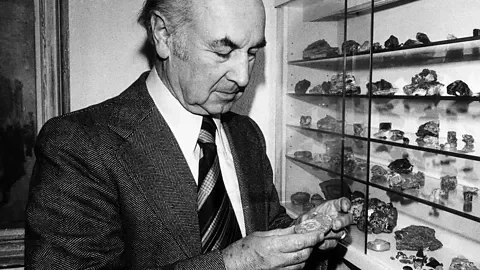
The journey back into legitimacy has been anything but straightforward. The early years saw LSD distributed by pharmaceutical companies like Sandoz as an experimental drug, Delysid, with the bizarre story of its initial discovery by Albert Hofmann offering a glimpse into its potent effects. However, sensationalized reports of "LSD casualties" in the press contributed to public fear and subsequent legal crackdowns.
Read More: Cost of extreme body surgery for influencers in 2026
More recently, the focus has shifted towards potential therapeutic benefits. Accounts describe how psychedelic experiences can offer individuals "radical new perspectives," facilitating profound shifts in worldview and the ability to release old habits. This potential has led some to pursue guided psychedelic journeys and even dedicate themselves to the legal advancement of such therapies. The involvement of figures like Andrew Weil and the continued exploration of concepts like "trip doctors" or guided experiences point to a developing professional framework.
However, the path remains fraught with complexity. Discussions now include the challenges of psychedelic therapy, the potential for "quackery," and the distinction between indigenous psychedelic practices and a burgeoning global market. The "long, strange trip" of these substances continues, with ongoing debates about their efficacy, the nature of "bummer trips" or adverse reactions, and the ethical considerations of their integration into society. The very definition of what constitutes a successful "trip," whether spiritual or therapeutic, is still being negotiated.
Read More: Exit Polls Show Mixed Results for 2026 Assembly Elections in 5 States
The historical suppression of psychedelic research, partly driven by fears of uncontrolled experimentation and perceived links to mental instability, has been a significant hurdle. Yet, the persistent allure of exploring consciousness and the potential for healing have propelled renewed scientific and cultural interest. This renewed engagement is now pushing boundaries, prompting discussions not only about therapeutic applications but also about the broader societal implications of reintegrating these historically stigmatized substances.