Governor Janet Mills has suspended her campaign for the U.S. Senate, a move that effectively clears the way for Graham Platner to secure the Democratic nomination. The decision, announced Thursday, comes weeks before the Democratic primary, leaving Platner to face incumbent Republican Senator Susan Collins in the general election.
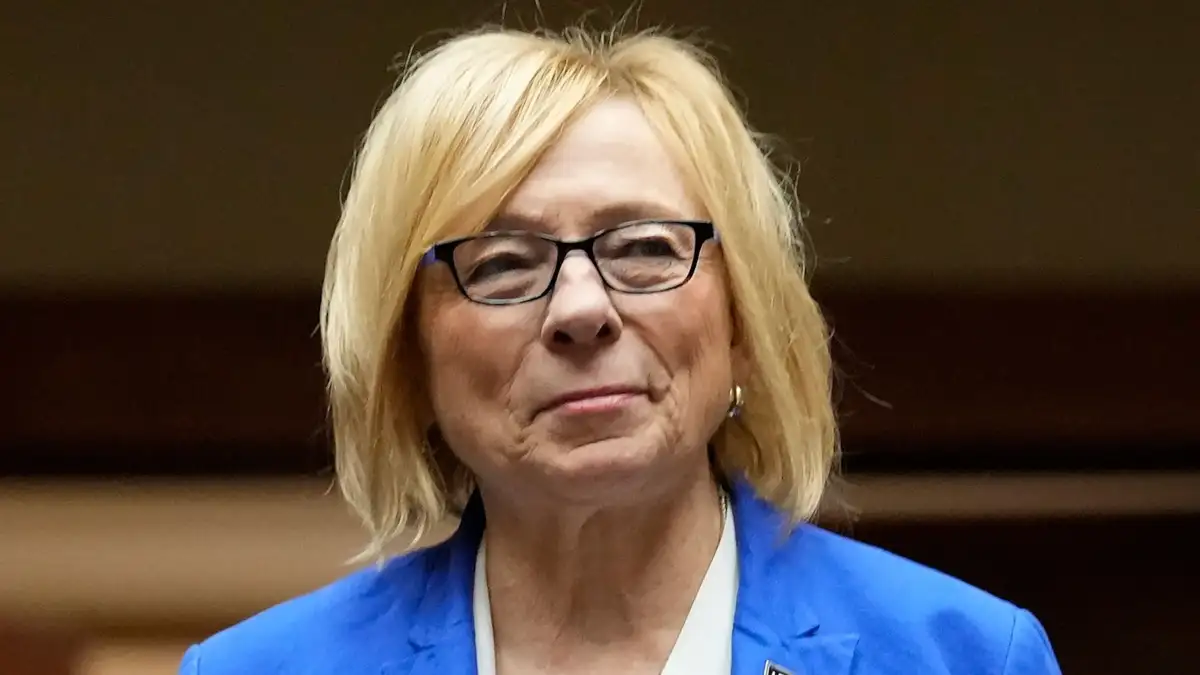
Mills cited a lack of financial resources as the primary reason for her withdrawal, noting that she had run out of money to effectively compete in the race. The campaign, which had been viewed as a key opportunity for Democrats to flip a crucial Senate seat, is now a direct contest between the progressive Platner and the Republican incumbent.
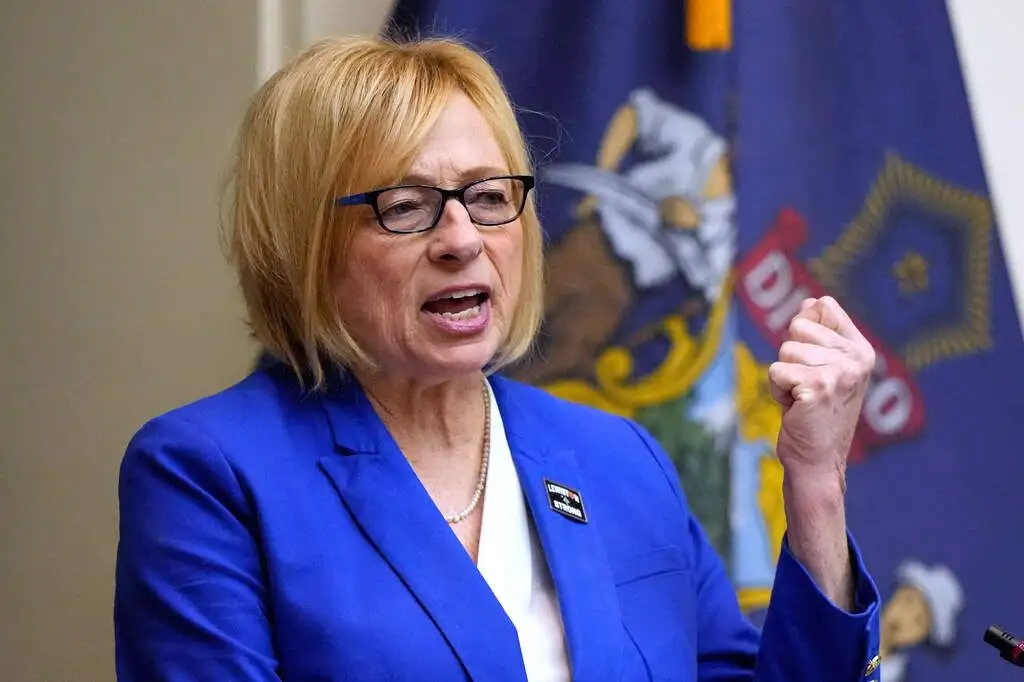
Internal Party Dynamics and Generational Shift
The contest for the Democratic nomination had revealed divisions within the party, with Senate progressives and Bernie Sanders endorsing Platner, while Senate Majority Leader Chuck Schumer had initially backed Mills. Mills' exit also surfaces broader conversations about generational change in politics, with Mills, 78, stepping aside for the 41-year-old Platner.
Read More: Taiwan Holds Nantou County Drills to Prepare for State Collapse

Mills' campaign had attempted to leverage controversies from Platner's past, including past comments downplaying sexual assault. However, Platner's willingness to address his past mistakes reportedly bolstered his standing. Republicans have begun criticizing Platner, framing his potential Senate run as a doomed effort.

Background
Janet Mills, a former state attorney general, had been serving as Maine's governor. Her Senate bid aimed to challenge Republican Senator Susan Collins in a closely divided chamber. Graham Platner, an oyster farmer and political newcomer, emerged as a significant challenger within the Democratic primary. The outcome of this race is seen as critical for either party's hopes of controlling the Senate.