A proposed law in Italy could fundamentally alter the nation's long-standing culinary traditions by banning the slaughter and consumption of horse meat. The bill, currently under parliamentary debate, aims to redefine equines, including horses, donkeys, and mules, as companion animals rather than livestock for meat production. This potential shift faces considerable division, pitting those who view it as an advancement in animal welfare and modern ethics against defenders of historical cuisine and regional identity. The legislation proposes strict penalties for violations, including imprisonment and substantial fines, alongside mandatory microchipping and monitoring systems for equines.

Historical Context and Regional Significance
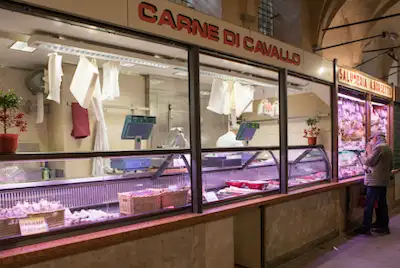
Horse meat has been a part of Italian cuisine for centuries, with significant consumption concentrated in regions such as Puglia, Campania, Sicily, Lombardy, Veneto, and Emilia-Romagna. Dishes like the horse meat stews of Verona and Salento, and meatballs from Catania, highlight its deep roots in certain local traditions. The potential ban is seen by some, including former agriculture minister Gian Marco Centinaio, as an attempt to "erase a piece of the history of Italian cuisine" and regional identity. This debate unfolds as Italian cuisine itself was recently inscribed on the Unesco intangible cultural heritage list.
Read More: King Arthur Cafe Site Becomes Tino Bistro in Late April

Proposed Legislation and Animal Welfare Concerns
The draft bill, supported by animal welfare organizations like OIPA ETS and Animal Equality, seeks to legally recognize equines as sentient beings deserving of enhanced protection, aligning with a broader societal shift in perception. Horses are increasingly viewed as companion, sport, or therapy animals rather than commodities.

The proposed law would prohibit the use of equines for meat, skins, fur, or medicines.
Slaughter, export, or import of equines for slaughter would be banned nationwide.
Violators could face imprisonment ranging from three months to three years, and fines between €30,000 and €100,000, with increased penalties if meat is marketed.
A €6 million fund is proposed to assist breeders in adapting their businesses.
Surplus equines could be entrusted to non-profit organizations, authorized private structures for pet therapy, or recovery centers.
The bill mandates microchipping and a national monitoring system for equines.
Animal welfare groups have documented alleged abuses and violations of animal welfare regulations at some slaughterhouses, with investigations underway, such as the one concerning the Zerbini & Ragazzi slaughterhouse in Emilia-Romagna following a complaint.
Arguments Against the Ban: Tradition and Livelihood
Opponents of the ban emphasize the historical and cultural significance of horse meat consumption in Italy. Senator Gianmarco Centinaio has argued that the proposal disregards a tradition that has spanned centuries and is deeply ingrained in certain regional identities. The proposed law is perceived by some as a threat to culinary heritage and the supply chain associated with horse meat production. While consumption has declined, Italy remains a significant importer and consumer of horse meat in Europe.
Read More: Carbon Steel Pans Popular for Home Cooks in 2026
Shifting Perceptions and Societal Trends
The debate reflects a growing societal awareness and ethical consideration for animals. Organizations like World Horse Welfare advocate for comprehensive labeling that includes the country of origin and breeding conditions for horses destined for consumption, enabling consumers to make informed choices. This push for transparency and ethical sourcing is part of a larger global conversation about animal welfare and the food industry. The proposed Italian legislation aligns with this broader trend of reassessing the legal status of animals and integrating ethical considerations into national law.
Read More: Connecticut Residents Show High Interest in Ice Cream Shops
Expert Analysis
"Recognizing equids as life companions and not as commodities means aligning the law with a sensitivity already widespread in society." - Source attributed to proposal proponents, paraphrased.
Gian Marco Centinaio, former agriculture minister, stated that banning equine meat consumption "would mean erasing a piece of the history of Italian cuisine… and also the identity of some regions." - Source: The Guardian
Matteo Cupi, executive director of Animal Equality Italia, described the parliamentary progress as "a relevant and long-awaited political step" towards tackling "a cruel and opaque practice." - Source: Il Sole 24 Ore
Conclusion and Implications
The proposed Italian bill represents a significant potential turning point in the country's approach to animal welfare and its cultural heritage. The legislation aims to end the slaughter of equines by legally recognizing them as companion animals, a move supported by animal welfare organizations concerned with documented abuses. However, this initiative faces strong opposition from those who argue for the preservation of culinary traditions and regional identities intrinsically linked to horse meat consumption. The debate highlights a complex interplay between evolving ethical standards, cultural history, and economic considerations. The outcome of this parliamentary process will have far-reaching implications for animal protection laws in Italy and could influence similar discussions across Europe.
Sources:
The Guardian: https://www.theguardian.com/world/2026/feb/19/horse-meat-set-banned-italy-draft-equine-bill
Il Sole 24 Ore (Article 1): https://en.ilsole24ore.com/art/ban-horse-meat-yes-or-no-italy-is-divided-AIA9VkVB
OIPA International: https://www.oipa.org/international/horse/
Green Technology Investments: https://greentechnologyinvestments.com/horse-meat-prohibited-by-law-they-are-pets-in-the-historic-bipartisan-proposal-prison-of-up-to-3-years-and-fines/30427/
Cavallo Magazine: https://cavallomagazine.it/en/chronicle/Proposed-law-against-the-slaughter-of-equines%3A-the-full-text
Il Sole 24 Ore (Article 2): https://en.ilsole24ore.com/art/horsemeat-new-bipartisan-bill-stop-slaughtering-AIJUDJPB
World Horse Welfare: https://eu.worldhorsewelfare.org/what-we-do/our-work-in-eu-policy/equine-meat-labelling