Recent dispatches from the International Space Station (ISS) reveal a breathtaking collection of terrestrial and extraterrestrial phenomena captured by orbiting astronauts. Time-lapse footage, disseminated through social media platforms and official channels, showcases the ethereal glow of auroras, the fleeting passage of meteors, and the energetic displays of thunderstorms observed from the unique vantage point of space.
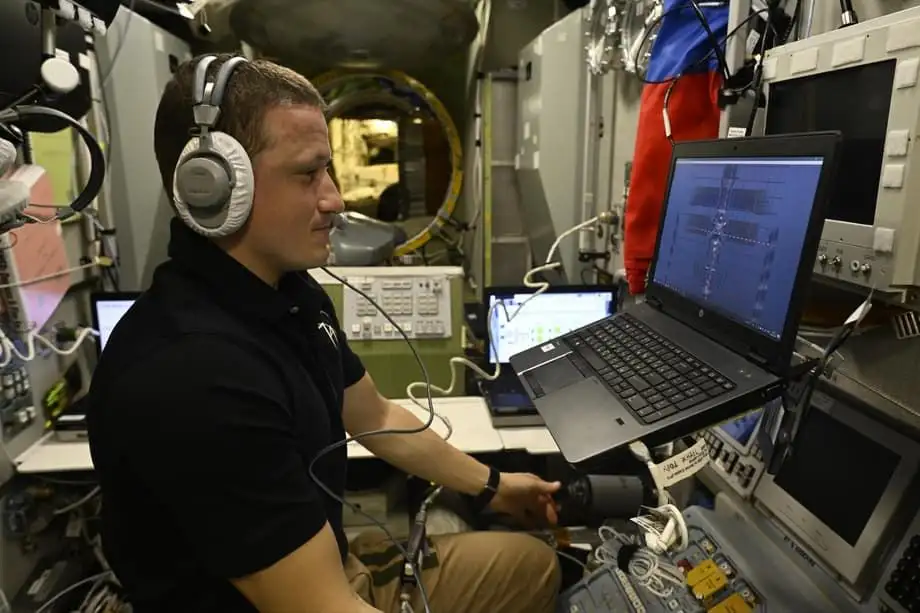
The documentation effort, a collaborative endeavor involving international crews, highlights the ongoing mission to observe and record Earth's dynamic atmosphere and the cosmos. Key figures like NASA astronaut Matthew Dominick and Roscosmos cosmonaut Sergey Kud-Sverchkov have been central to these visual transmissions. Kud-Sverchkov, in particular, is noted for capturing a diverse array of events, including the southern lights and a meteor shower, within a condensed timeframe of 45 minutes.
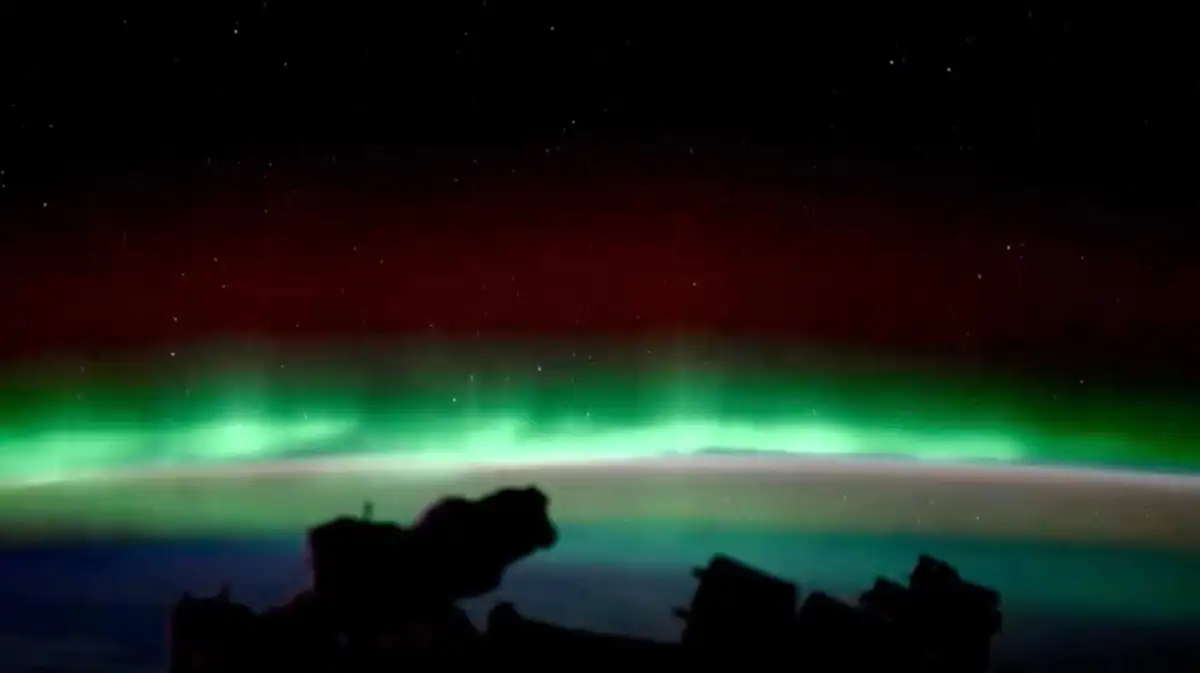
==The ISS, a hub of international cooperation, has become a platform for documenting a confluence of atmospheric and astronomical occurrences, including auroras, meteors, and thunderstorms, through time-lapse photography and videography.==
The released imagery and videos are not merely aesthetic curiosities. They represent a continuous effort to gather visual data on Earth's weather patterns and celestial events. Astronauts like Dominick have leveraged platforms such as X (formerly Twitter) to share these recordings, often including details about camera settings, offering insights for aspiring space photographers. These efforts underscore the ISS's role not only as a scientific laboratory but also as a vital observation post for planetary and cosmic events.
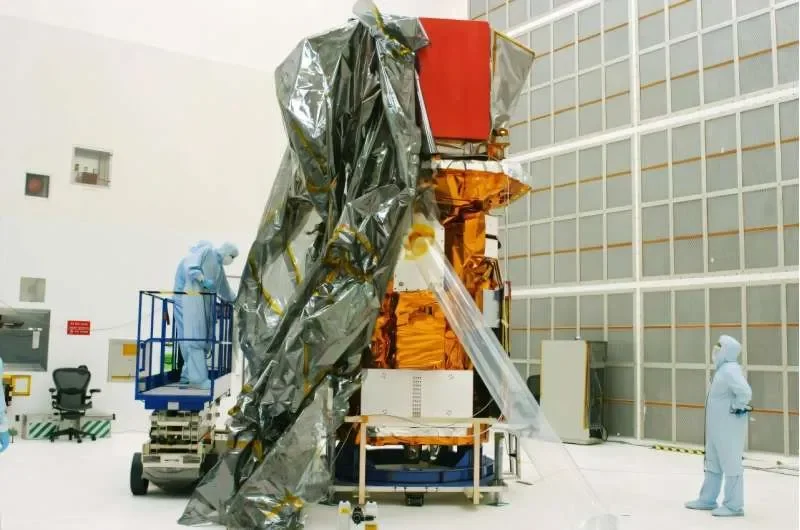
Read More: NASA Robot Mission Launched to Raise Swift Telescope Orbit, Add 10 Years
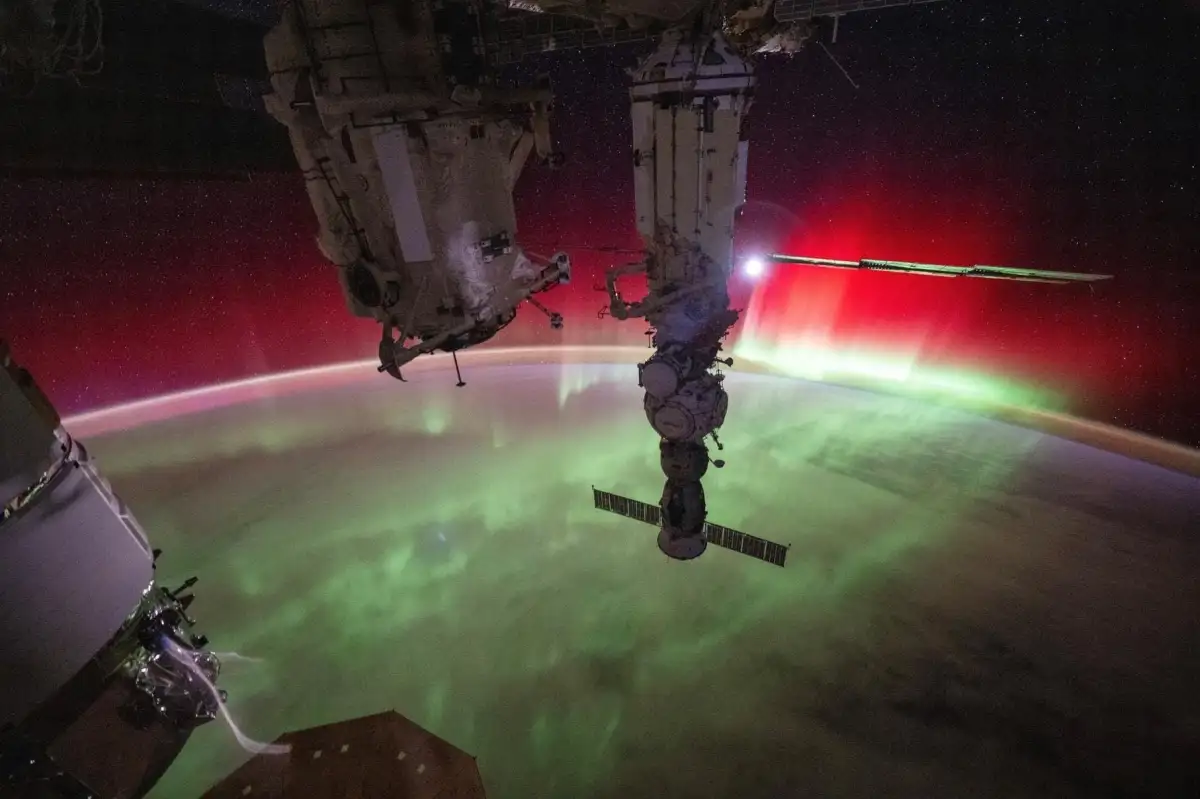
"Astronauts on the International Space Station are getting a special treat from orbit."
These visual records, compiled from extensive image sequences – some cataloged with designations like ISS060-E-32432 and others dating back through multiple expeditions – serve as a testament to the ceaseless activity both on Earth and in the near-orbital environment. The visible elements in these captured moments range from the atmospheric ballet of auroras, often described with hues of green and purple, to the distinct streaks of meteors traversing the atmosphere, and the more localized, yet visually striking, electrical discharges of thunderstorms.
The observations occur within various modules of the ISS, with the 'Cupola' module frequently cited as a prime location for such panoramic captures. The presence of Earth's curvature, the glittering expanse of stars, and even passing satellites, are recurrent motifs in these compilations, painting a comprehensive picture of the orbital perspective. The broader context of these transmissions is framed by ongoing space exploration initiatives, including discussions on new rocket launch sites and advancements in space-based biological research.
Read More: Indigenous Data Rights Now Key in Conservation Genomics