Thousands of people have left remote islands off the coast of Ireland, leading the government to offer financial incentives to encourage new residents. The "Our Living Islands" scheme aims to reverse population decline and revitalize abandoned properties on these islands, some of which are sparsely populated and face economic challenges. The program offers substantial grants to individuals willing to purchase and renovate derelict homes.
Background of Depopulation and Revitalization Efforts
Ireland's coastal islands have experienced a significant drop in population over time. This trend has led to concerns about the future of these communities, with some islands now having limited infrastructure like a single school or shop.
The Our Living Islands scheme is a government initiative designed to address this issue.
It is part of a 10-year plan focused on sustaining island populations.
The program builds upon existing efforts to encourage the renovation of deserted properties.
The goal is not only to increase population but also to diversify island economies.
Financial Incentives for Relocation
The Irish government is providing financial aid to individuals who commit to moving to and restoring properties on these islands.
Successful applicants can receive up to €84,000 (approximately $92,000).
This funding is intended for the purchase and renovation of derelict properties.
One applicant mentioned receiving funds for renovation, but noted the tight timeline for completion: "the renovations must be complete within 13 months of the application submission, including the 2 months it takes for this to be accepted."
While the amount offered is substantial, it may not cover the full cost of restoration. One analysis concluded, "Restoration will cost you much more than what they're paying you."
Specific Islands and Program Scope
The scheme targets specific islands experiencing depopulation.
Inis Mór, one of the Aran Islands, known for its appearance in the film "The Banshees of Inisherin," is among the locations.
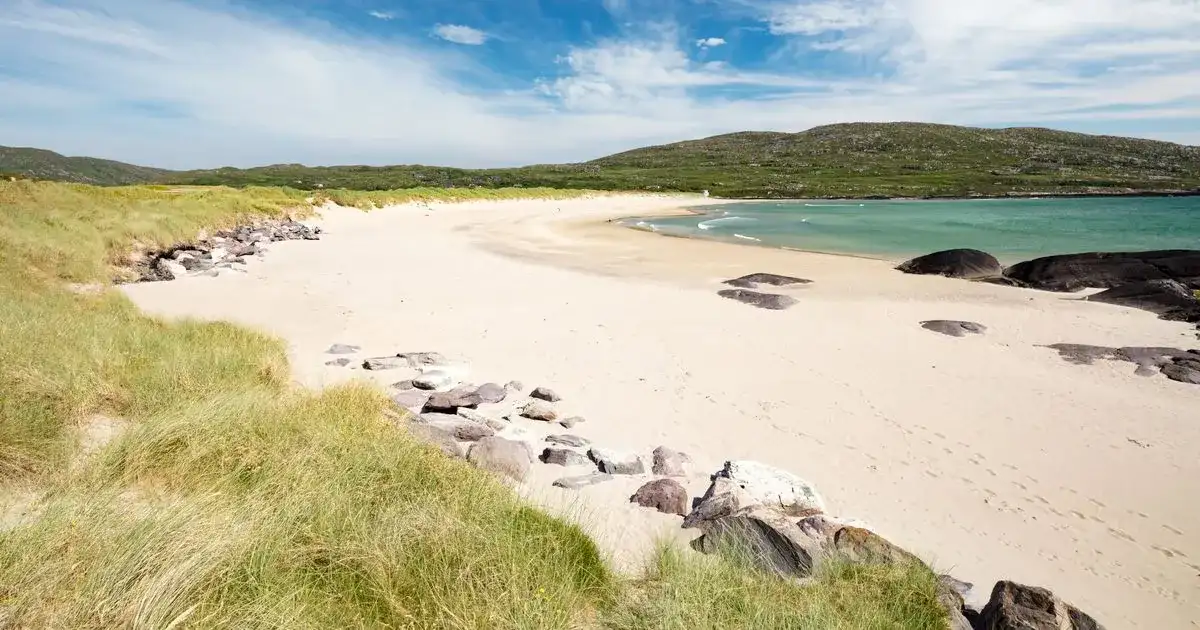
Bere Island, described as a "quiet paradise," is also included.
The program aims to attract individuals, particularly those with remote work opportunities or a connection to the islands. As one observation put it: "So if you have a remote job and an ancestral connection to one of these places, you could pay $1.2 million (€1.1m) to live in a place in LA - or you could make money living here."
Considerations for Applicants
While the program offers financial assistance, potential applicants should be aware of certain conditions and potential challenges.
Read More: 340B Drug Program Changes: How Hospitals Get Cheaper Drugs for Poor Patients
The grant is tied to the purchase and renovation of existing derelict properties.
There is a strict timeline for completing renovations.
The awarded sum might not cover the entire cost of restoration, which can be significant.
The program is described as a "great deal" but not necessarily a "whimsical magic solution."
Expert and Public Commentary
The program aims to inject cash and boost populations, revitalizing abandoned property.
One YouTube user, who is participating in the program, stated that the offer is substantial but cautioned that it's "essentially free land for people wanting to build a house anyways." They also highlighted the practicalities: "This is still a great deal, but it's not the whimsical magic solution people think it is."
Another perspective suggested the funding is designed to help people "buy a derelict property in their chosen location and saving it from ruin."
Conclusion and Future Implications
The Irish government's "Our Living Islands" scheme represents a strategic effort to combat rural depopulation on its islands. By offering significant financial incentives for property acquisition and renovation, the government hopes to attract new residents and stimulate economic activity. While the program presents a compelling opportunity for those looking to relocate to these remote areas, potential participants should be prepared for the financial and logistical demands of restoring derelict properties within strict timeframes. The long-term success of the initiative will depend on its ability to foster sustainable communities and attract a consistent flow of new inhabitants.