Humanitarian gestures, it seems, carry an asterisk, one that shifts depending on the headlines and the political climate.
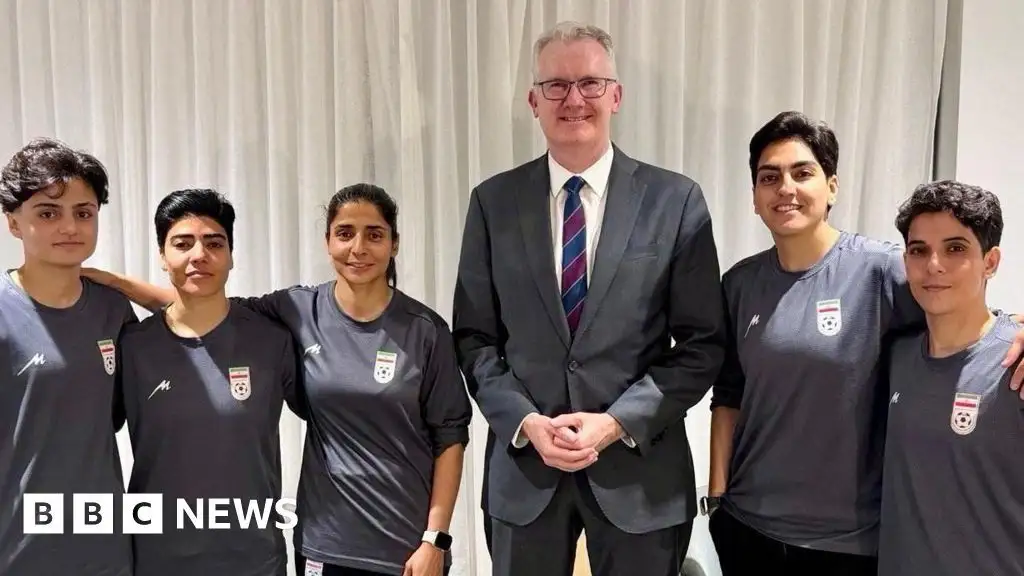
Seven members of the Iranian women's football team, including players and support staff, have accepted Australia's offer of permanent settlement, a move that has been met with varying degrees of public and official response. This development follows a period of intense focus on the team after they declined to sing their national anthem during the AFC Asian Cup tournament held in Australia. Fears for their safety back home, fueled by concerns over their protest, led to an offer of visas from the Australian government.

A Shift in Allegiance
The initial narrative surrounding the team’s participation in Australia painted a picture of solidarity and support. However, the situation took a sharp turn when one of the seven individuals who had accepted an offer of permanent settlement later changed her mind, reportedly divulging their location to the Iranian embassy. This revelation prompted Australian officials to "hurriedly move" the remaining six individuals, according to Home Affairs Minister Tony Burke. The woman who altered her decision apparently expressed a desire to rejoin team members who had already departed the country.
Read More: FIFA World Cup 2026 Revenue Reaches $15 Billion With New Ticket Prices
Echoes of a Different Compassion
The apparent ease with which these visas were granted stands in stark contrast to the plight of other Australian citizens, particularly women and children, who remain detained in Syrian camps and are reportedly barred from returning to their homeland. Critics point to this as a significant double standard, suggesting that compassion extended to foreign nationals is contingent on geopolitical considerations rather than a consistent humanitarian principle. The sale of a house by one individual, noted in early reports, seemingly offered a moment of uncomplicated human relief, a sentiment now complicated by these divergent approaches to citizenship and sanctuary.
Background to the Protest
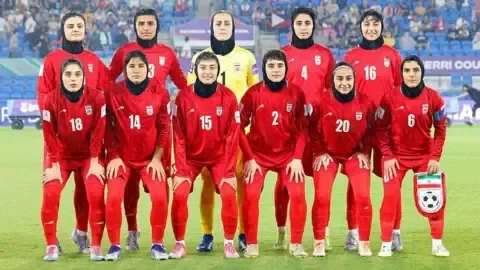
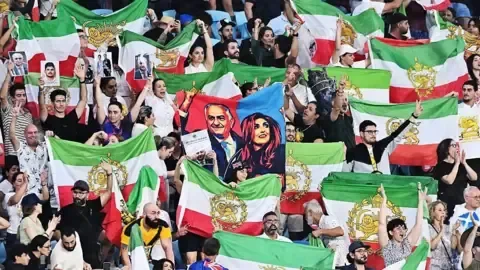
The Iranian women's team, known as the Lionesses, participated in the Asian Cup where they lost all three of their group-stage matches. Their refusal to sing the national anthem ahead of matches against South Korea and later in their game against Australia, where they also stood in silence, became a focal point of their presence in the country. This act of protest, interpreted by many as a stance against the Iranian regime, ignited discussions about their potential return and safety. Reports indicated that some players harboured plans to not return to Iran, while others expressed concern for the safety of their families, with threats reportedly made against them if they did not go back.
Read More: Deportees trapped in Venezuela earthquake after June 24 flight
Home Affairs Minister Tony Burke reportedly travelled to Queensland to engage directly with the team members, discussing their circumstances and any potential desire to remain in Australia. The unfolding events highlight a complex interplay of political protest, international relations, and the very definition of sanctuary.