


Tehran is simultaneously engaging in diplomatic talks with the United States while preparing for potential conflict, a situation marked by mixed signals and deep-seated mistrust. The nation's economy is strained by prolonged internet disruptions, disproportionately affecting its digital workforce, particularly women. These developments occur against a backdrop of regional tensions and Iran's stated resolve to resist external pressures, even as its own political factions appear to be at odds over the best path forward.
Strained Economy and Internet Disruptions
Iran is experiencing its longest and most widespread internet outage on record, impacting digital businesses that rely on online revenue for survival. This disruption has pushed many businesses to the brink, with home-based digital workers, a significant portion of whom are women, being particularly vulnerable.
Conditional Nuclear Talks with the US
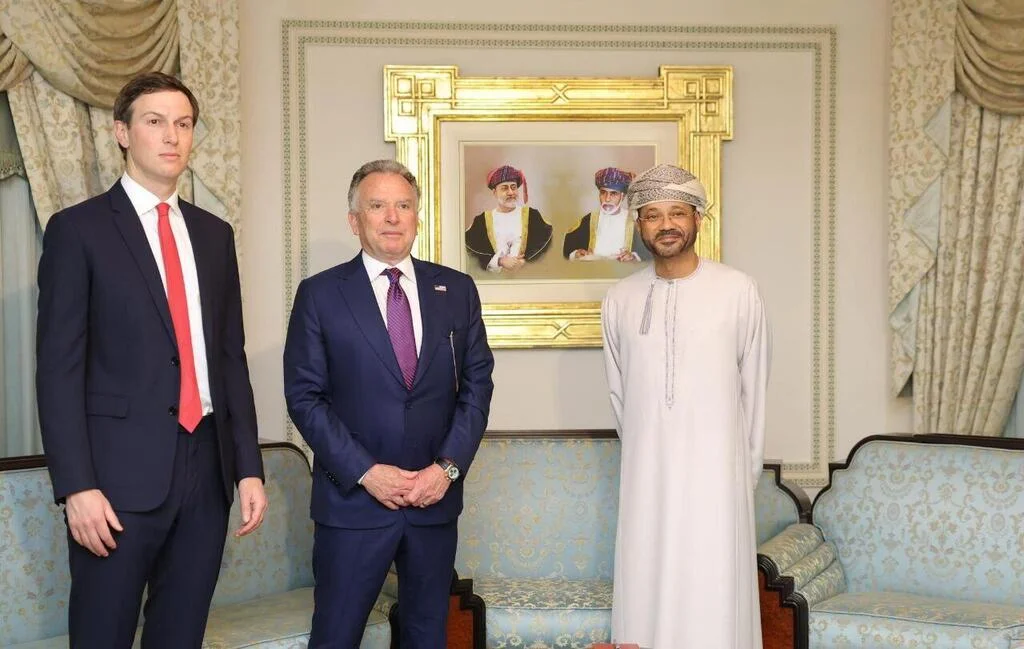
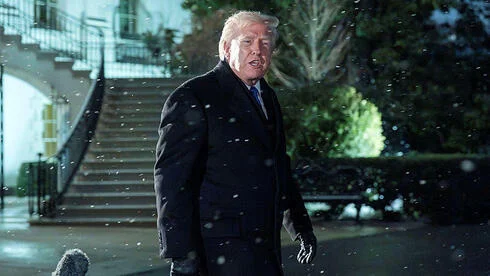
Following a period of outright refusal for direct talks, Iran has conditionally agreed to nuclear negotiations with the United States. These talks, reportedly facilitated in Oman, focus primarily on the nation's nuclear program. However, the US has expressed a desire to broaden the scope of discussions to include Iran's ballistic missile program and its support for regional armed groups. Iran's top diplomat, Abbas Araghchi, has stated that these latter issues were not on the table during the initial Muscat talks, signaling a point of contention.
Read More: Kim Jong Un's Daughter May Be Next Leader of North Korea

US Stance: Seeks to discuss nuclear program, ballistic missiles, and regional support for armed groups.
Iran's Stance: Insists talks are confined to the nuclear program.
Mixed Signals on War and Diplomacy
Conflicting messages emanating from Tehran suggest a possible lack of internal consensus regarding engagement with Washington. Headlines have simultaneously reported on the confirmation of US-Iran negotiations, the potential implications of a regional war, and the impossibility of talks under current US conditions. This complex messaging paints a picture of a nation balancing diplomatic overtures with military preparedness, a strategy that may be deliberate or indicative of internal discord.

Reports indicate the preparation of thousands of graves for US soldiers, juxtaposed with confirmed negotiation possibilities.
The IRGC-linked Tasnim News Agency has carried headlines reflecting both the possibility of negotiations and the implications of regional war.
Security Incidents and Regional Ambivalence
Recent events have underscored the volatile security situation. US forces shot down an Iranian drone approaching a US aircraft carrier, and Iranian boats reportedly attempted to intercept a US-flagged oil tanker. These incidents highlight the fragile security environment in the region, where neighboring Persian Gulf states appear ambivalent about the unfolding events.
Expert Analysis
"The Islamic Republic has historically been unable to withstand such comprehensive disarmament while maintaining its integrity." - Unknown source, implied
"Conflicting voices in Tehran on the competing prospects of war and diplomacy with Washington may be deliberate, but they more likely reflect an absence of consensus at the top." - Article 4, Iran International
"Supreme Leader Ali Khamenei’s speeches are an excellent indicator of where the Islamic Republic stands, and his past several months’ worth of remarks… reflect increasing confidence on that point." - Washington Institute for Near East Policy
Evidence and Key Events
| Event/Statement | Source Article(s) | Date/Timing | Key Detail |
|---|---|---|---|
| Longest internet disruption in Iran begins. | 1 | Recent | Affects digital businesses and workers; women disproportionately impacted. |
| Iran conditionally agrees to nuclear talks with the US. | 2, 3, 8, 14 | Recent days | Talks held in Muscat, Oman. |
| US drone shot down by US forces in Arabian Sea. | 5 | Tuesday | Occurred as Iranian boats reportedly interfered with a US-flagged oil tanker. |
| Iranian diplomat Araghchi calls Muscat talks a "good start." | 3 | Friday | Talks focused on nuclear program framework; US sought broader scope. |
| President Trump comments on Iran talks, suggesting Tehran "wants to make a deal very badly." | 3 | Overnight | Reaffirmed US stance against Iran obtaining nuclear weapons. |
| Talks reportedly collapsed over disagreement on scope (nuclear only vs. broader issues). | 7, 8, 9 | Wednesday/Friday | Iran insisted on confining talks to nuclear program; US desired inclusion of missiles and regional support. |
| Russia's proposal to take Iranian uranium stockpile reportedly still stands. | 7 | Thursday | Context of ongoing nuclear discussions. |
| Iran's top diplomat states Tehran's power comes from saying "no." | Report Headline | N/A | Reflects Iran's hardline stance in negotiations. |
| Iranian officials express expectations for further talks in coming days. | 9 | Upcoming | US negotiators expect tangible concession on nuclear issue. |
Conclusion
The current situation indicates a complex interplay between Iran's domestic politics, its regional stance, and its relationship with the United States. While diplomatic channels have reopened for nuclear discussions, significant divergences remain regarding the scope and substance of these talks. The economic strain from prolonged internet disruptions adds another layer of internal pressure. The mixed signals on war and diplomacy, coupled with recent security incidents, suggest a volatile environment where de-escalation remains a significant challenge. Further engagement is anticipated, but the willingness of both sides to make concessions, particularly on Iran's nuclear program and the US's broader security concerns, will be critical in determining the trajectory of these discussions.
Sources
Article 1: Iran International - Tehran braces for war while testing the limits of diplomacy. Published: 1 week ago. Link: https://www.iranintl.com/en/202601309750
Article 2: CNN - Iran conditionally agrees to nuclear talks with US, first since Trump’s military strikes last summer. Published: 5 days ago. Link: https://www.cnn.com/2026/02/03/middleeast/iran-nuclear-talks-us-strike-intl-hnk
Article 3: Ynetnews - Trump addresses Iran talks for first time as Tehran fires back: 'Liar, he has no choice'. Published: 1 day ago. Link: https://www.ynetnews.com/article/r142l3mvwe
Article 4: Iran International - Strategy or paralysis? Tehran sends mixed signals on war and diplomacy. Published: 5 days ago. Link: https://www.iranintl.com/en/202602035275
Article 5: Iran International - US–Iran talks stagger back on after a day of threats and denials. Published: 3 days ago. Link: https://www.iranintl.com/en/202602041548
Article 6: PBS NewsHour - After crushing protests, Iran's supreme leader now tries to avert a U.S. attack. Published: 3 days ago. Link: https://www.pbs.org/newshour/world/after-crushing-protests-irans-supreme-leader-now-tries-to-avert-a-u-s-attack
Article 7: The Guardian - US and Iran talks brought back from the brink after White House relents on move to Oman. Published: 3 days ago. Link: https://www.theguardian.com/world/2026/feb/04/us-iran-talks-risk-collapse-oman-move-rejected
Article 8: CBS News - Iran says talks with U.S. to continue, but adds mistrust to be addressed as Trump's threats linger. Published: 2 days ago. Link: https://www.cbsnews.com/news/iran-us-talks-nuclear-negotiations-to-continue-despite-mistrust/
Article 9: Times of Israel - Diplomat: At talks with US, Iran refuses to end enrichment; missile capabilities not discussed. Published: 1 day ago. Link: https://www.timesofisrael.com/iran-refuses-to-end-enrichment-talks-with-us-avoid-missile-capabilities-diplomat/
Article 10: Iran International - Trump pairs deal talk with war threats ahead of Iran negotiations. Published: 5 days ago. Link: https://www.iranintl.com/en/202602023520
Article 11: Iran International - Trump authorized Iran attack after Tehran rejected deal. Published: January 5, 2026. Link: https://www.iranintl.com/en/202512174346
Article 12: Washington Institute for Near East Policy - Iran’s Self-Confidence Returns?. Seen on: Brave. Link: https://www.washingtoninstitute.org/policy-analysis/irans-self-confidence-returns
Article 13: Iran International - How Iran’s infighting consistently derails diplomacy. Published: 4 days ago. Link: https://www.iranintl.com/en/202602048356
Article 14: BBC News - Talks with US set to continue after 'good beginning', Iran's foreign minister says. Published: Published. Link: https://www.bbc.com/news/articles/cr57g1y8286o
Article 15: Wikipedia - 2025–2026 Iran–United States negotiations. Published: 11 hours ago. Link: https://en.wikipedia.org/wiki/2025Iran%E2%80%93UnitedStatesnegotiations
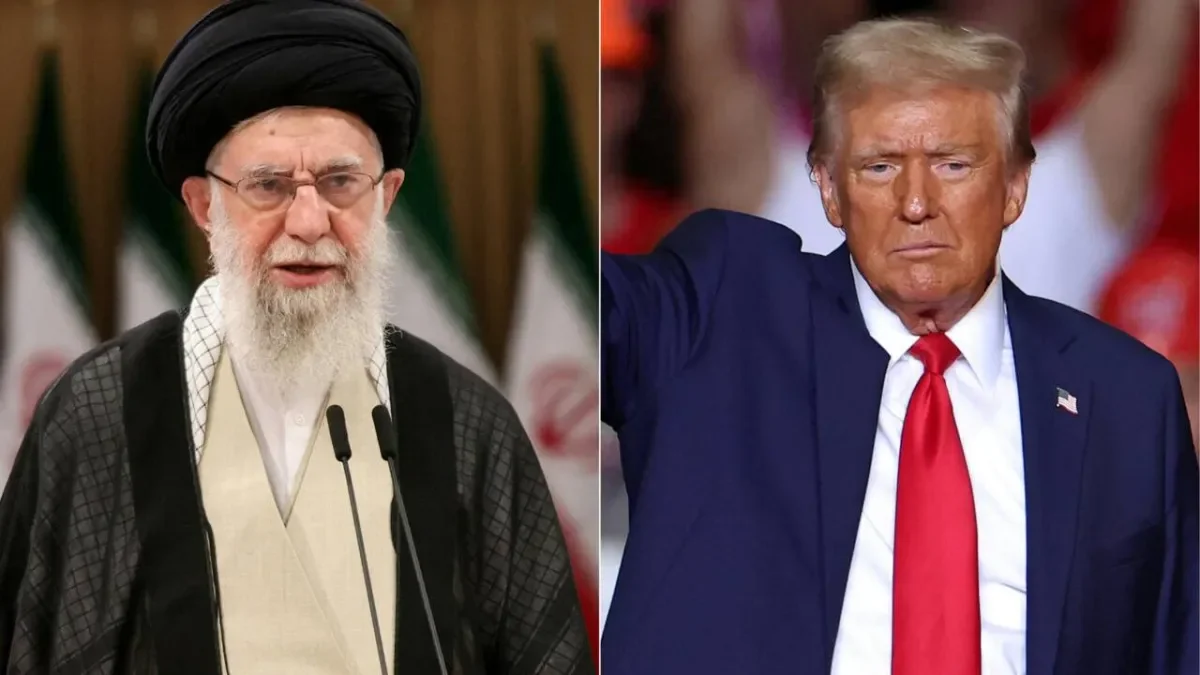
Read More: USA and Iran Talk About Nuclear Program

:max_bytes(150000):strip_icc():focal(612x1166:614x1168)/Switzerland-accident-fire-020826-02-7cbc5d49ad0f413883178cfd825a77de.jpg)

