


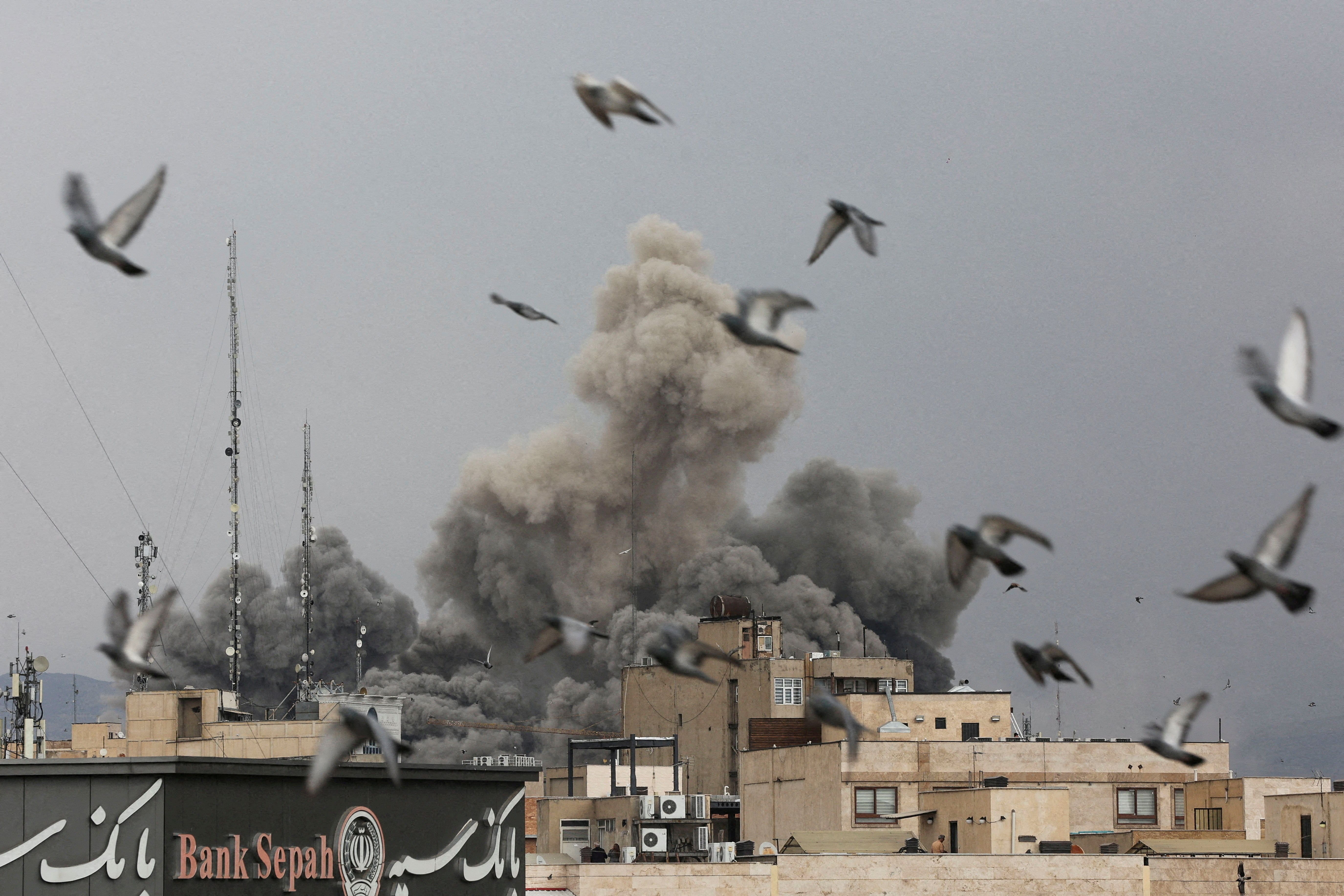
Iranian officials have emphatically stated that the nation is "far more prepared for a long war" than perceived by adversaries like the United States, framing the current hostilities as a deliberate strategy of endurance rather than a contest of immediate firepower.== This stance, articulated by senior figures including Kamal Kharazi, foreign policy adviser to the Supreme Leader, and Ali Larijani, a prominent powerbroker, suggests a hardening of Tehran's position, with diplomacy being sidelined in favor of a prolonged engagement.
Doctrine of Enduring Conflict
Iranian military thinking, reinforced by historical conflicts like the Iran-Iraq War, is reportedly built around a doctrine of "endurance" and strategic resilience. This philosophy posits that prolonged warfare is not merely an operational necessity but a foundational element of Iran's military strategy, a stark contrast to approaches focused on rapid battlefield dominance. Reports indicate that Iran has been anticipating such a confrontation and has structured its military preparedness accordingly over several years.
Read More: Melania Trump's Inauguration Hat: Eric Javits Design Explained

Economic Pain as a Decisive Factor
Senior officials, including Kamal Kharazi, have indicated that the current conflict will only conclude through "economic pain," signaling a refusal to engage in diplomatic resolutions while military operations are ongoing. This suggests a strategic calculation where protracted hostilities are intended to inflict significant economic strain on opposing forces.
Regional Intesification and International Cooperation
The ongoing confrontation, characterized by missile strikes, drone attacks, and retaliatory bombardments, continues to escalate across the Middle East. Iran's defense posture is reportedly bolstered by strong strategic cooperation with key international partners, including Russia and China, with unconfirmed reports of advanced weaponry shipments. While official confirmation remains absent, this cooperation is seen as a crucial element in Iran's long-term war preparedness.
Background: Shifting Geopolitical Landscape
The current escalations follow a period of heightened tensions, including recent protests within Iran that resulted in significant fatalities. The conflict also unfolds against a backdrop of shifting regional dynamics, including a noted lack of security guarantees for some Arab Gulf states and Israel's closure of Gaza crossings. The narrative from Iranian officials, such as Ali Larijani, emphasizes defensive actions, stating that Iran did not initiate hostilities and will defend itself "fiercely regardless of the costs," framing the conflict as a defense of its "6000-years old civilisation."
Read More: US and Israel attack Iran, Supreme Leader dead after February 28 strikes