


Iran has pushed the Indian government to explain why United States naval forces are hunting Iranian hulls in shared waters. Minister Khatibzadeh signaled that New Delhi should not remain a silent watcher while the US Navy operates with force nearby. This follows a rare event where a US submarine sank an Iranian warship in international waters, an act of maritime violence not seen on this scale since the Second World War.
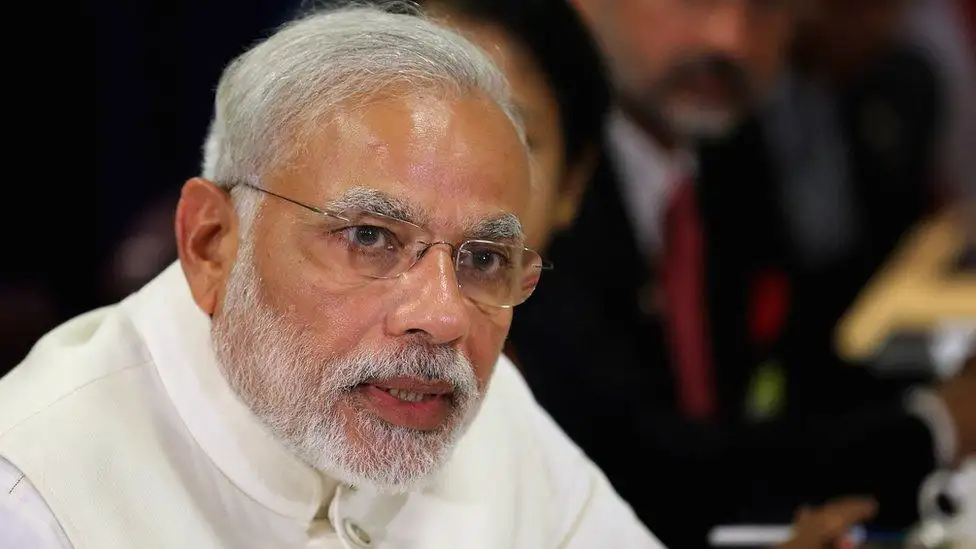
"India must ask the U.S. why it is targeting Iranian ships," Khatibzadeh stated, framing the Indian Ocean as a space where India’s own safety and clout are being tested by American kinetic action.
The sinking of the Iranian vessel marks a sharp shift in the rules of the sea, moving from shadows into open wreckage. This happens while India tries to hold onto a shaky middle ground, balancing a visit from Vladimir Putin against the growing weight of American demands.

Trade Walls and Cold Oil
The relationship between Washington and New Delhi is currently bruised by economic friction. The Trump administration has moved to slap 50% tariffs on Indian goods, a heavy tax that puts millions of "Make in India" jobs in a corner.
Read More: Israel Strikes Beirut, Widening Conflict; 70 Hezbollah Fighters Killed
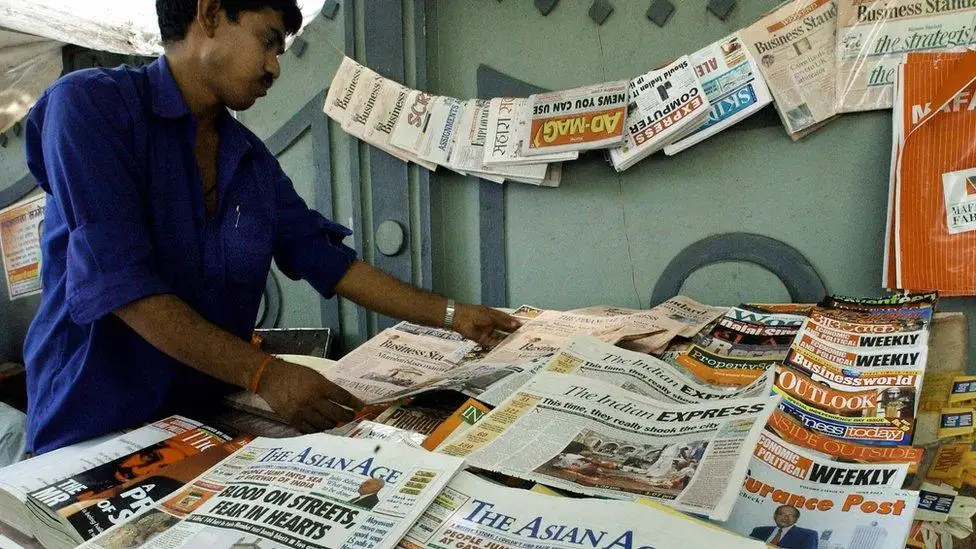
Russian oil demand in India has slumped as traders fear the "War ATM" sanctions.
China has stepped in to buy the crude that India is now too scared to touch.
The dream of unlimited growth is meeting the hard reality of "America First" math.
| Conflict Point | Actor | Impact |
|---|---|---|
| Maritime Strike | US Submarine | Iranian warship destroyed; first such kill since WWII. |
| Trade War | Trump Admin | 50% tariffs on Indian exports; "Make in India" threatened. |
| Energy Shift | Indian Refiners | Dropping Russian oil to avoid US wrath; China gains supply. |
The Weight of the Peninsula
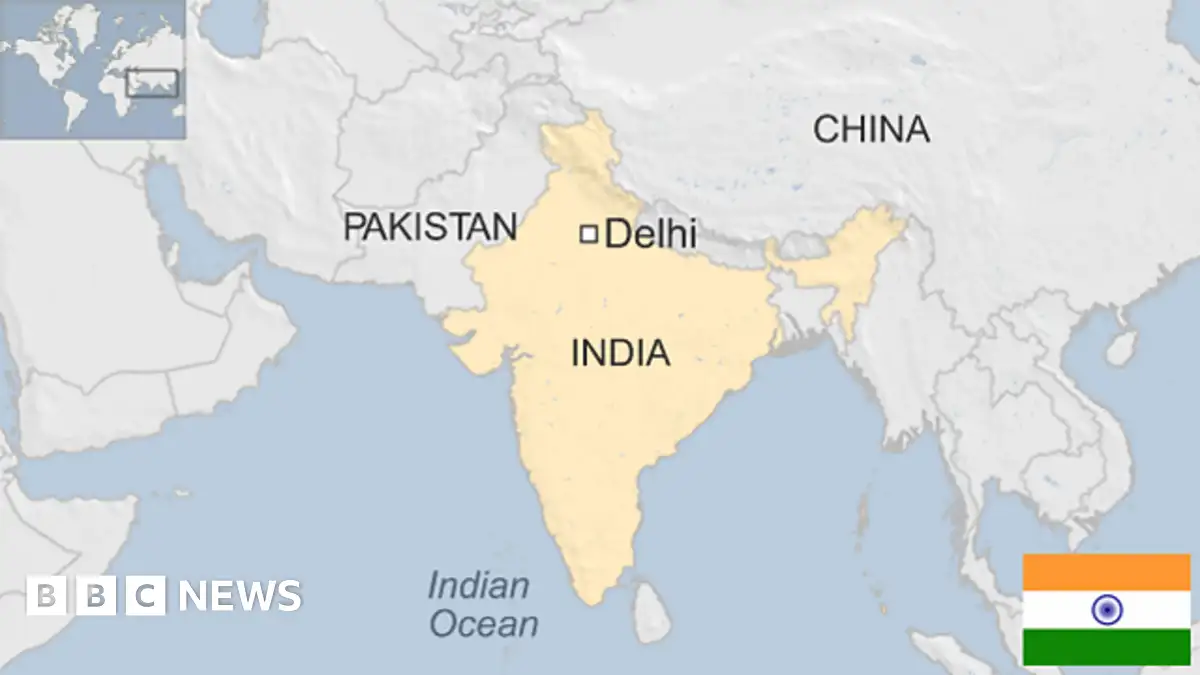
India sits as a lumpy, massive power with over 7,516 km of coastline and a population of roughly 1.4 billion. It is a nuclear-armed state trying to act like a regional boss while its neighbors and partners pull it in different directions.
The country is dealing with internal power congestion, needing massive investment in gas and transmission to keep the lights on.
While it wins Women’s Cricket World Cups and grows its internet user base to the second largest on earth, it remains trapped by old geography.
The Kashmir border with Pakistan remains a jagged edge, and now the Indian Ocean—once seen as India's lake—is becoming a hunting ground for foreign submarines and a stage for Iranian grievances.
Background: The Fractured Balance
India has long tried to be a friend to everyone, buying Russian guns and American tech while selling to both. But the current air is thin and sour. The US-Iran shadow war has spilled into the waves south of the subcontinent, forcing New Delhi to decide if it is a sovereign leader or a cautious clerk. With the Trump tariffs biting into the economy and the US Navy sinking ships in the backyard, the "strategic autonomy" New Delhi often talks about is looking more like a messy, forced choice.
Read More: India Vehicle Sales Drop 28% in February as Buyers Wait for Festivals
' Maritime Security ' ' Trade Sanctions ' ' Regional Power ' ' Energy Markets '