


##FOREIGN MINSTER ABBAS ARAGHCHI’S EVASIVE ANSWERS REGARDING RUSSIAN SUPPORT FOR IRAN’S CONFLICT WITH THE UNITED STATES HAVE RAISED QUESTIONS ABOUT THE EXTENT OF THEIR COOPERATION.
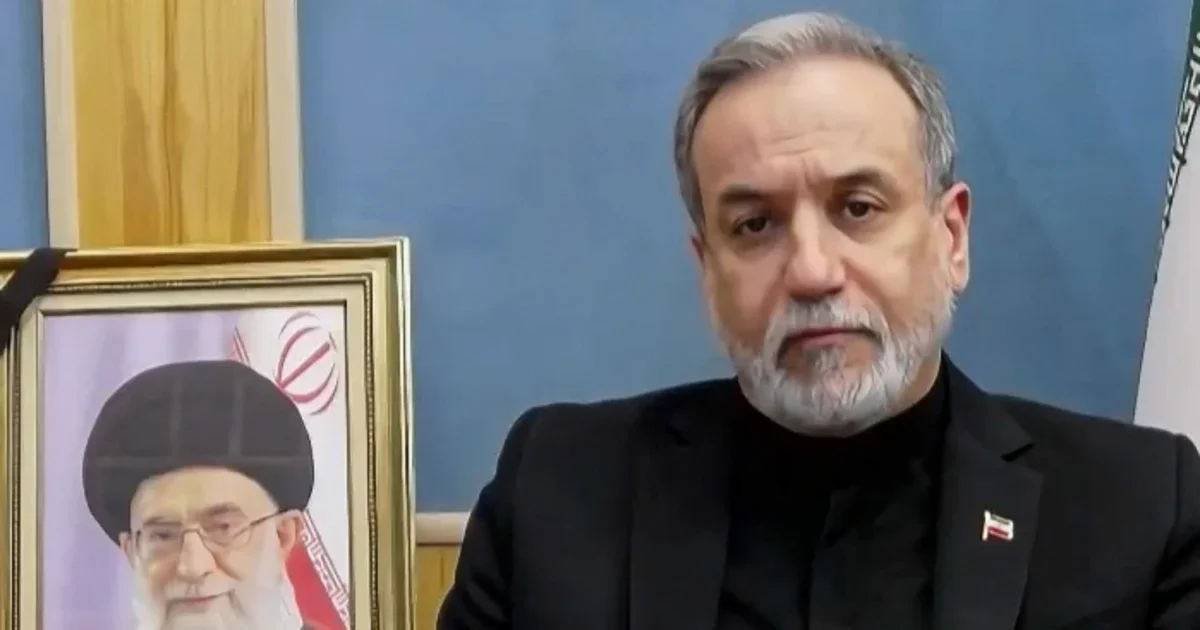
In a series of public statements and interviews, Iranian Foreign Minister Abbas Araghchi has consistently deflected direct inquiries about whether Russia is providing intelligence to assist Iran in targeting U.S. forces and assets. When pressed on the matter, Araghchi has responded with generalities about a "very good partnership with Russia" and has stated that the nature of their relationship is "only the business of the Iranian people, and nobody else’s business."
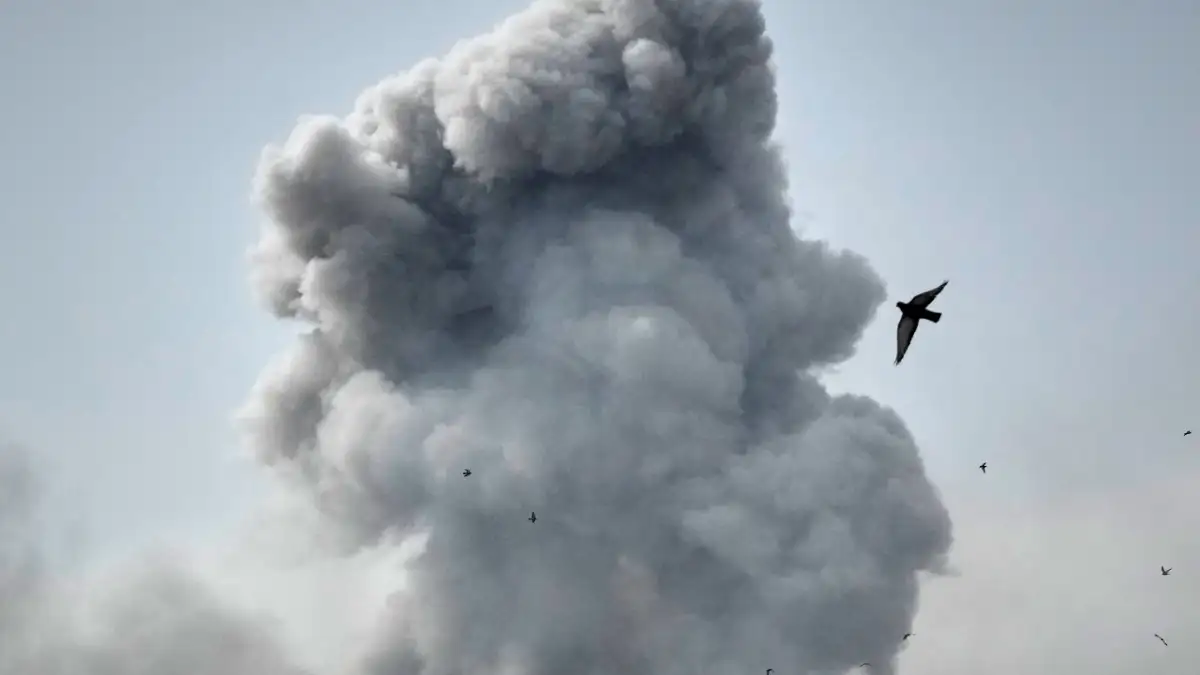
US OFFICIALS HAVE REPORTEDLY INDICATED THAT RUSSIA HAS PROVIDED IRAN WITH INFORMATION CAPABLE OF HELPING TEHRAN STRIKE AMERICAN WARSHIPS, AIRCRAFT, AND OTHER ASSETS IN THE REGION. However, these same officials caution that they have not uncovered evidence of Russia directing Iran on how to utilize this information. CONVERSELY, SOME AMERICAN LAWMAKERS HAVE CRITICIZED THE DOWNPLAYING OF CONCERNS OVER SUCH INTELLIGENCE SHARING.
Read More: Starmer and Trump Talk After UK Bases Used for US Iran Strikes
DIPLOMATIC MANEUVERING AND STRATEGIC REASSURANCE
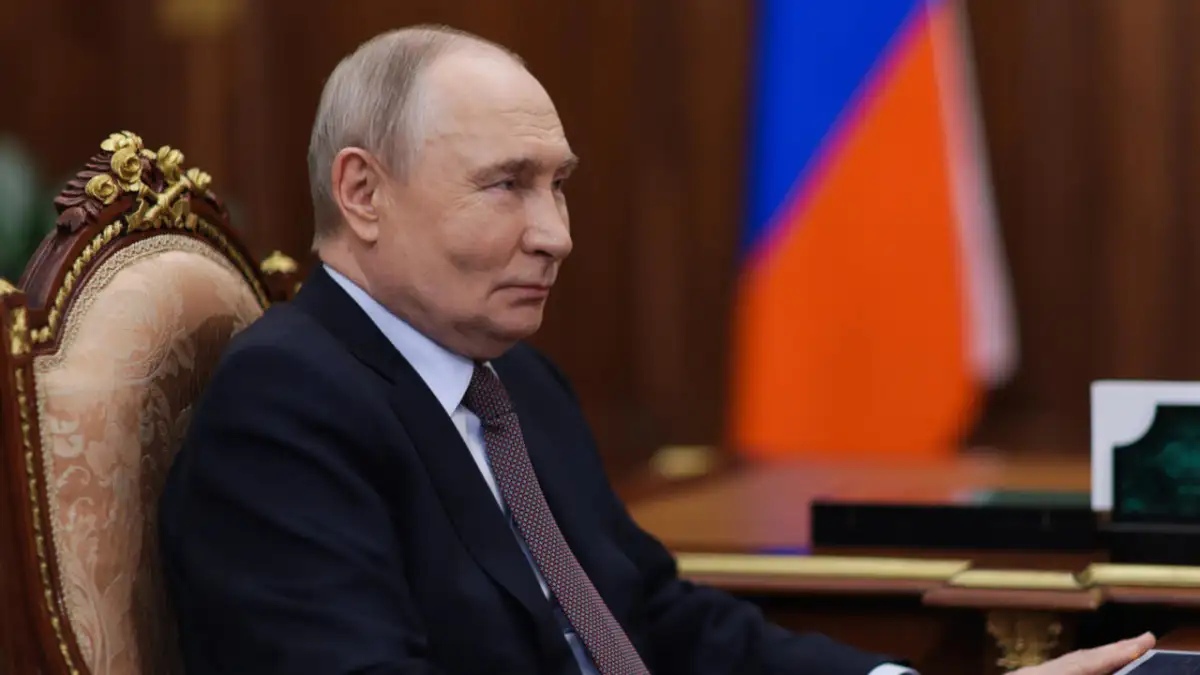
Araghchi's reticence comes at a critical juncture, with Iran facing U.S. military actions and seeking strategic reassurance. His recent visit to Moscow for high-level consultations with President Vladimir Putin and other senior Russian officials underscores Iran's reliance on Russia for diplomatic cover amid international pressure.
While Russia has condemned the U.S. and Israeli military actions against Iran, describing them as violations of international law, neither Moscow nor Beijing has signaled any intention of direct military intervention in support of Tehran. China, for its part, has adopted a largely diplomatic stance, condemning the strikes without indicating any willingness to actively assist Iran militarily.
CONFLICTING NARRATIVES AND MILITARY REALITIES
U.S. officials, while acknowledging the possibility of Russian intelligence sharing, have also pointed out that any assistance provided thus far has not proven particularly effective. UN Ambassador Mike Waltz, for instance, suggested that "if they are providing anything, it certainly hasn’t been very effective, because the U.S. military is decimating Iran’s air force, air defenses, navy, ground forces, command and control."
Read More: ISRO and ESA Sign New Earth Observation Data Deal in 2024
President Donald Trump, in parallel, has made assertive claims about preemptive actions against Iran and has outlined an expectation of "UNCONDITIONAL SURRENDER" from Tehran. Trump's assertions, coupled with reports of Iranian support for Russia's efforts in Ukraine through the provision of drones, highlight a complex and shifting geopolitical landscape.
BACKGROUND AND BROADER CONTEXT
The heightened tensions and speculation surrounding Russia-Iran cooperation are unfolding against a backdrop of significant military exchanges. Recent U.S. strikes on Iranian nuclear sites, referred to as "Operation Midnight Hammer," and Iran's retaliatory actions against American assets and allies in the Persian Gulf, illustrate the escalating conflict. Iran's internal political dynamics, including the recent death of Supreme Leader Ayatollah Ali Khamenei and the subsequent selection of a new leader by the Assembly of Experts, add another layer of complexity to the situation, though Araghchi has offered no specific insights into the successor.
Read More: Trump threatens to block all new bills until Senate passes SAVE America Act
The U.S. has also granted a temporary sanctions waiver to India for the purchase of Russian oil, a move made in consideration of a potential global oil and gas crisis stemming from disruptions in the Strait of Hormuz, a critical chokepoint controlled by Iran. This decision, alongside the ongoing military engagements, indicates a multifaceted geopolitical environment where alliances are tested and strategic calculations are constantly in flux.