The conflict in Iran is pushing more than 30 million people toward poverty, according to a United Nations development chief. This crisis reverses years of progress, with devastating and uneven impacts across regions. Alexander De Croo, Administrator of the UN Development Programme (UNDP), stated that "conflict can undo in weeks what countries have built over years."
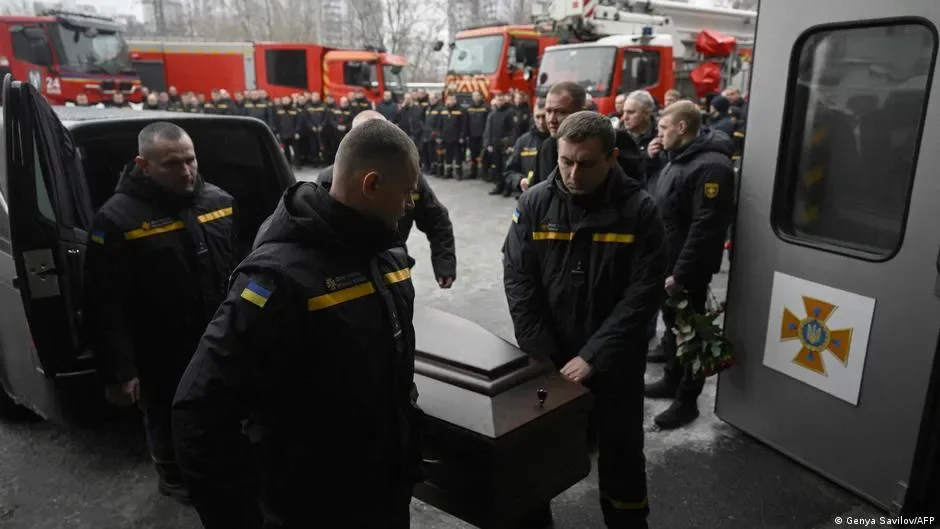
The war, which began with US and Israeli strikes on February 15, has already erased an estimated year and a half of human development progress in Iran within its first month. Civilian casualties remain stark: as of April 16, 1,701 civilians, including 254 children, had been killed, according to the Human Rights Activists News Agency (HRANA).
Economic Fallout and International Response
Even with a recent ceasefire, the conflict's "ripple effects" risk spawning further instability and "pushing whole countries and whole populations back into poverty in a structural way." De Croo stressed the urgent need for international financial institutions to provide "macro-economic interventions," such as targeted cash transfers and free access to essential resources like fuel and cooking gas.
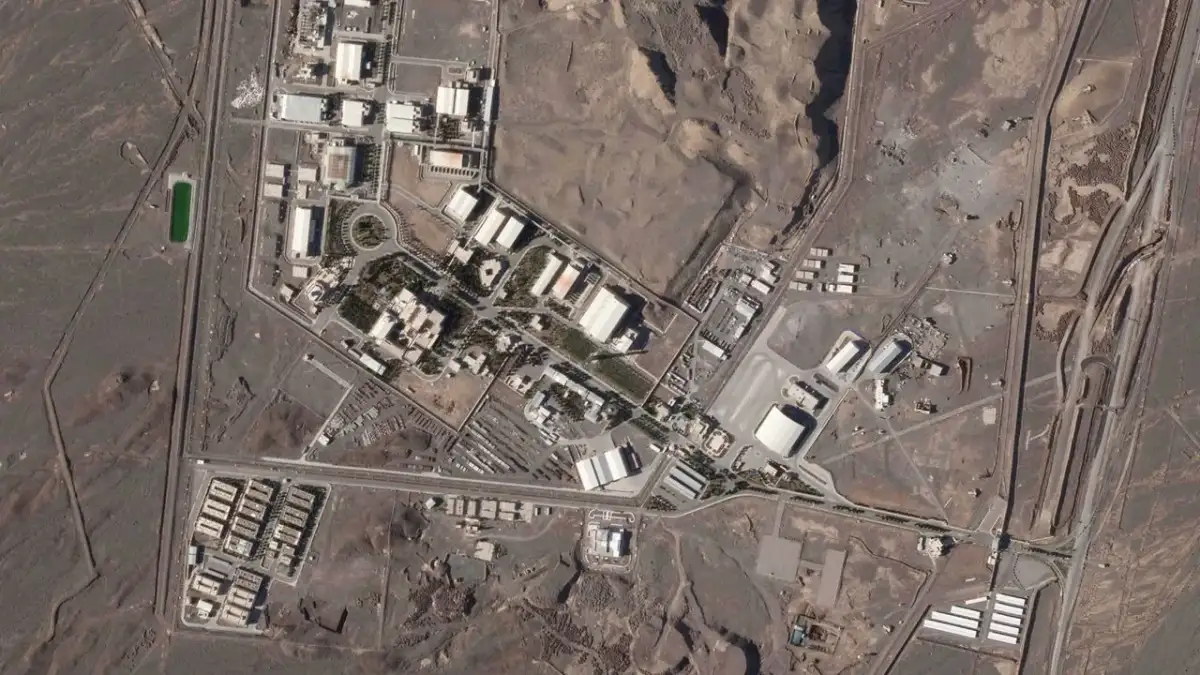
Read More: Iran Zagros Mountain Nuclear Site Construction Update April 2026

The war's strain on the global economy has prompted developing nations to band together. On April 15, a new country-led borrowing initiative was launched during the IMF-World Bank Spring Meetings. This platform aims to give these nations a stronger voice in debt negotiations, enabling them to share knowledge on debt restructuring and engage with creditors on more equal footing. The initiative seeks to "amplify their collective voice" and potentially lower borrowing costs, addressing the "inequality lurking at the heart of the global financial architecture" which has increased debt servicing costs for many nations.
Broader Ramifications
Beyond immediate poverty, the conflict's broader implications are being scrutinized. One report from two days ago cited a UN statement suggesting that US spending on the "reckless" Iran war could have otherwise saved an estimated 87 million lives. This perspective casts a critical light on resource allocation amidst global crises.
Read More: Why AI Market Growth Is Slowing Down As Of April 2026
The conflict also raises concerns about humanitarian aid and international law. De Croo noted that over 1,000 humanitarian workers have been killed in the past three years, with many falling victim to drone strikes. He also pointed to the severe impact of aid cuts, such as those by the UK, which he described as having a disproportionate effect on lives lost and providing cover for other nations to follow suit. The tactics employed in the conflict, targeting civilian infrastructure and populations, are seen as a breach of international law, emboldening authoritarian tendencies globally.
Background: The conflict in Iran, initiated by US and Israeli strikes on February 15, has entered a fragile ceasefire period. The United Nations Development Programme (UNDP) has been vocal about the profound economic and social consequences of the hostilities, highlighting the reversal of development gains and the looming threat of widespread poverty. This has spurred international discussions on financial support and strategic interventions to mitigate the damage.
Read More: 40 Die in Quetta to Peshawar Bus Crash in Balochistan on April 3 2026