


==> Crude oil prices are riding a volatile wave, a stark reflection of a world grappling with geopolitical tremors and shifting financial assessments. Reports indicate that markets may be underestimating the implications of the ongoing conflict involving Iran, a sentiment echoed by high-level financial figures. Concurrently, discussions are surfacing about potential governmental interventions, including sanctions adjustments and the strategic control of vital maritime passages.

The implications for global energy markets remain a subject of intense, albeit often obscured, deliberation. Analysts point to a confluence of factors: the direct impact of hostilities on supply routes, particularly the Strait of Hormuz, and the broader economic responses being considered by world powers.

STRATEGIC CURRENTS AND MARKET WINDS
Recent developments suggest a complex interplay between battlefield realities and financial prognostication. A prominent financial institution's CEO has publicly noted that financial markets might not have fully absorbed the gravity of the current Iran-U.S. conflict. This commentary coincides with observations of technical market shifts, with some indicators pointing towards a potential 'trend reversal' in oil prices, moving away from previously bearish biases.
Read More: Fortnite V-Bucks Price Increase March 19 Affects Player Spending

"The oil market is not exploding. With each new phase of geopolitical conflict, the pessimists announce…"
Meanwhile, gasoline prices have risen in tandem with oil prices, indicating a direct consumer impact. The prolonged conflict with Iran has fueled projections of further upward pressure on oil futures. Without a clear resolution regarding the strait's operational status, analysts anticipate continued price escalations, even as the world possesses substantial oil reserves. The physical movement of crude is hindered, leaving producers with limited storage capacity.
INTERVENTIONS AND IMPLICATIONS
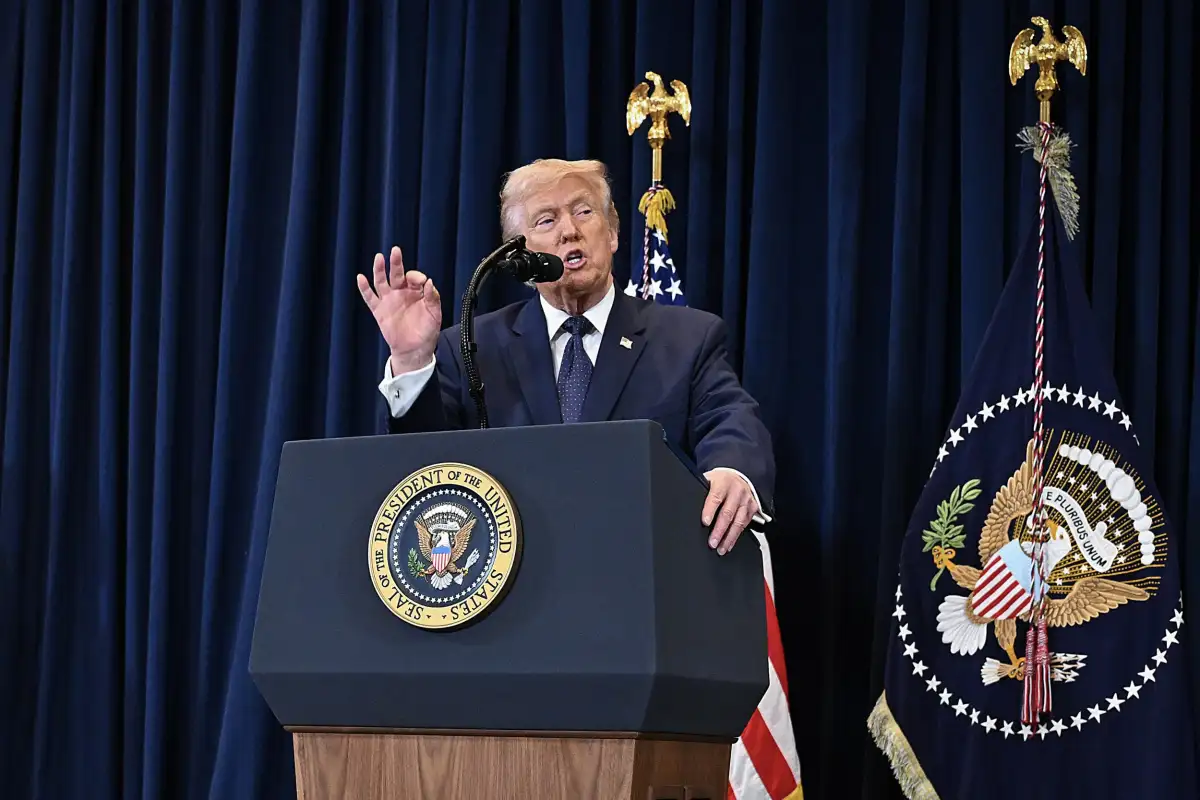
In an attempt to stabilize prices, discussions are underway among international finance ministers. One proposal reportedly being considered involves the U.S. potentially taking control of the Strait of Hormuz, a critical chokepoint for global crude trade. Additionally, there is talk of the U.S. considering a reduction in oil sanctions against Russia as a means to alleviate pressure on crude prices. These conversations, held at the highest levels, underscore the anxiety surrounding energy security and economic stability.
Read More: Trump Claims Iran War Progress as Gas Prices Rise and 7 US Soldiers Die
The movement of commercial vessels through the Strait has been significantly curtailed, a direct consequence of the heightened tensions.
GEOPOLITICAL FLASHPOINTS
The broader regional instability is punctuated by direct exchanges. Reports confirm missile fire from Iran towards Israel, resulting in casualties. This escalates an already fraught situation, especially in the wake of the recent U.S.-Israeli strikes that led to the death of Iran's former supreme leader and the subsequent appointment of his successor.
BACKGROUND NOISE
The economic reverberations of these events extend beyond mere price fluctuations. The strategic importance of energy supply chains and the geopolitical calculations surrounding them are constantly being re-evaluated. The confluence of conflict, resource management, and international diplomacy creates a landscape where forecasting future price movements becomes an exercise in navigating a series of interconnected uncertainties.
Read More: India LPG Shortage Affects Restaurants and Haleem Onion Prep