Recent reports highlight several global hotspots where tensions are escalating, leading to discussions about potential conflicts that could draw in major world powers and even trigger a World War III. These situations involve ongoing disputes, geopolitical rivalries, and the increasing use of aggressive rhetoric, creating a complex and uncertain international landscape. The identified areas of concern span across Eastern Europe, East Asia, and the Middle East, with particular attention on the actions and reactions of key nations and alliances.
Rising Tensions and Identified Risk Zones
Multiple analyses point to several regions as critical flashpoints with the potential to escalate into larger conflicts. These include:
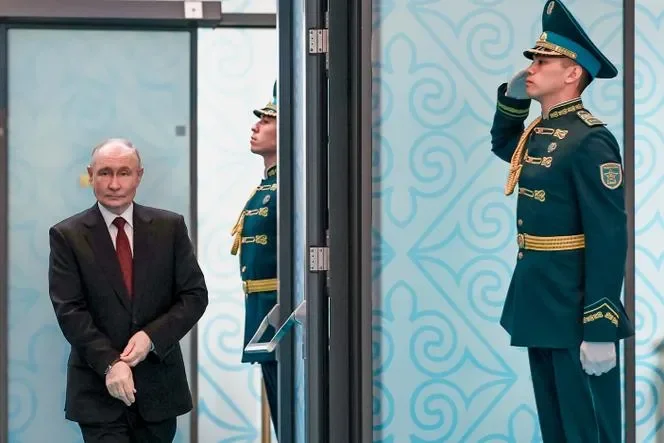
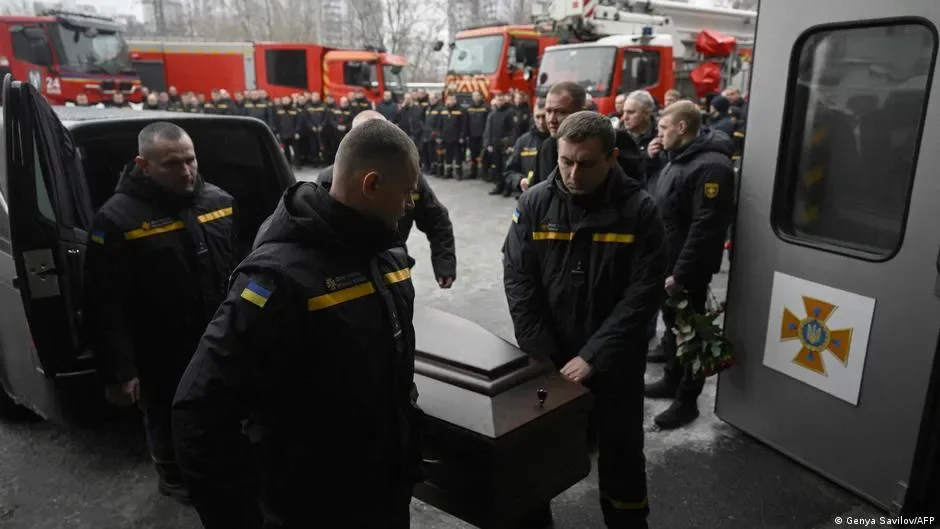
Ukraine and Russia: The ongoing conflict in Ukraine, involving Russia and NATO, is frequently cited. Concerns include direct confrontations between NATO forces and Russian assets, as well as the potential for tactical nuclear deployments.
China and Taiwan: A Chinese move on Taiwan is seen as a significant risk. The United States' response to such an invasion remains unclear, and China's military buildup is noted as being on a scale not seen since World War II.
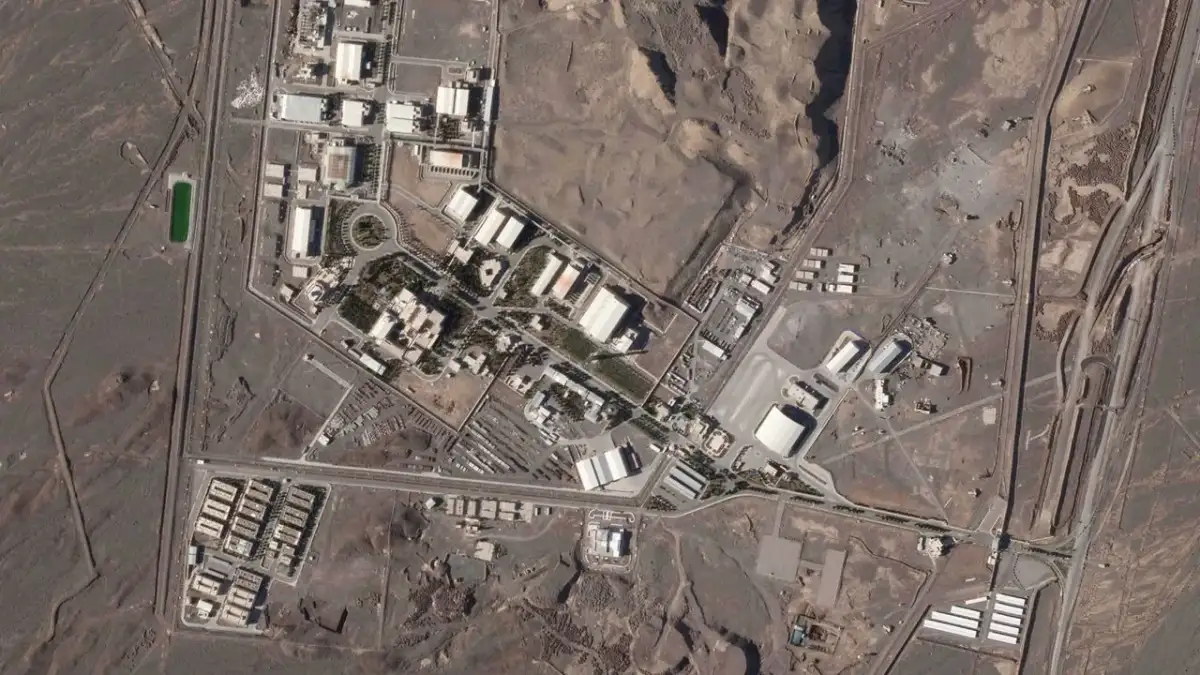
Israel and Iran: Escalation in the Middle East, particularly between Israel and Iran, is a serious concern. Proxy conflicts could rapidly draw in global powers, potentially leading to a wider regional war and World War III. Iran's nuclear program is also a point of contention.
North Korea: Potential confrontations involving North Korea are also mentioned, including sudden attacks on South Korea and rising tensions between the two Koreas.
Evidence of Escalation and Concern
Reports indicate a growing number of actions and statements that fuel fears of wider conflict:
Direct Confrontations: Incidents like Russian drones flying over Polish airspace, leading NATO to engage and bring down some of the drones, suggest a shift from theoretical warnings to potential inevitability. Similarly, a Russian drone crossing into Romanian airspace prompted a response from NATO forces.
Military Buildups and Posturing: China's military buildup and naval deployments are noted. Israel has launched strikes deep into Iran, and Iran has been accused of uranium enrichment to weapons-grade levels.
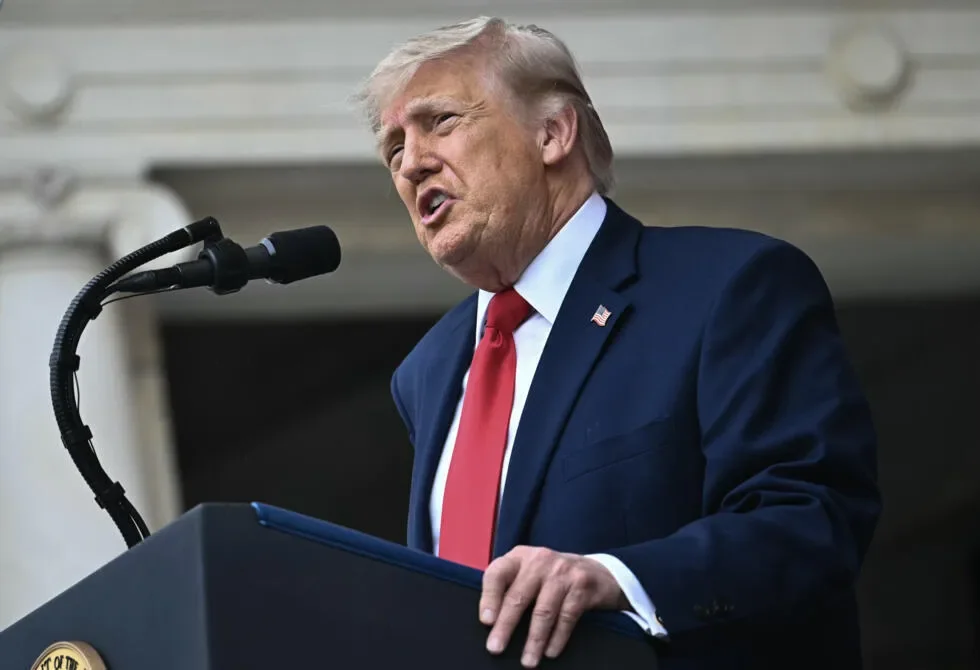
Rhetoric and Warnings: Statements from leaders, such as Ukrainian President Volodymyr Zelensky warning that Putin will target NATO countries if Ukraine is not helped, contribute to the heightened sense of alarm. Former President Donald Trump has also issued "grim" warnings about potential triggers for World War III.
Early Warning Indicators: Analysts are tracking specific signs such as large Chinese naval deployments, airspace closures around Taiwan, NATO force alerts, and potential Russian cyberattacks on infrastructure.
Geopolitical Actors and Their Stances
The actions and statements of several key players are central to the current global security landscape:
Russia: Its ongoing war in Ukraine and alleged airspace violations have heightened concerns among NATO members. There are reports of Russia shifting from talk to action, targeting NATO homelands.
United States: The U.S. response to a potential Chinese invasion of Taiwan is a significant unknown. There is also discussion about potential U.S. military action against Iran and Venezuela.
China: Its military buildup and actions concerning Taiwan are a primary focus of international concern.
Iran: Its nuclear program and involvement in regional conflicts, alongside its relationship with proxies like Hezbollah, are seen as drivers of instability.
NATO: The alliance has been on high alert since the invasion of Ukraine. Airspace violations have led to direct engagement with Russian assets, demonstrating a heightened state of readiness and potential for escalation.
Analysis of Potential Pathways to Global Conflict
Several pathways are identified that could lead from localized incidents to a broader global war:
Read More: Iran Zagros Mountain Nuclear Site Construction Update April 2026
Ukraine Conflict Escalation: Battles over territory and nuclear threats could escalate into a full World War III, especially if NATO becomes directly involved in combat.
Taiwan Conflict Escalation: An incident involving Taiwan could rapidly draw in global alliances if not managed carefully, potentially leading to a confrontation between major powers.
Middle East Conflict Escalation: Proxy conflicts in the Middle East could quickly become a global war involving world powers, particularly if they involve Israel, Iran, and their respective allies.
Expert Opinions and Assessments
Analysts and experts are expressing concerns about the current trajectory of global affairs:
"The most imminent nuclear risk was perhaps the tensions between India and Pakistan. Russia’s war with Ukraine, Vladimir Putin and Donald Trump’s nuclear sabre-rattling, tensions between India and Pakistan, Iran’s determination to get the bomb, and the West’s increasing fear of China as a superpower have all heightened the threat of nuclear armageddon."— Nuclear proliferation analysts, as cited in iNews
Admiral John Aquilino has told Congress that Beijing will build up its army ‘on a scale not seen since World War Two’.— As reported by Metro
Conclusion and Implications
The current global environment presents a confluence of escalating tensions in multiple critical regions. The interactions between major powers, ongoing conflicts, and the rhetoric surrounding potential military actions all contribute to an elevated risk of widespread conflict. The identified flashpoints – Ukraine, Taiwan, and the Middle East – are seen as particularly volatile. Continued monitoring of early warning indicators, diplomatic efforts, and military posturing in these areas will be crucial in assessing the likelihood of further escalation and its potential global consequences.
Sources
Mirror: Published Mar 14, 2025. https://www.mirror.co.uk/news/us-news/breaking-trump-warns-this-could-34865635
19fortyfive: Published Dec 17, 2025. https://www.19fortyfive.com/2025/12/world-war-iii-could-happen-5-places-america-could-go-to-war-in-2026/
Powermentor.org: Published Apr 26, 2025. https://www.powermentor.org/blog/the-precipice-of-world-war-iii-global-flashpoints-escalation-pathways-and-early-warning-systems
Fox News: Published Sep 21, 2025. https://www.foxnews.com/world/russia-shifts-from-talk-action-targeting-nato-homeland-amid-fears-global-war
Foreign Policy: Published Feb 19, 2026. https://foreignpolicy.com/2026/02/19/trump-war-iran-nuclear-china-taiwan-ukraine/
iNews: Published Aug 22, 2025. https://inews.co.uk/news/world/luck-run-out-global-nuclear-flashpoints-world-war-three-3872204
Metro: Published Oct 3, 2024. https://metro.co.uk/2024/10/03/five-flashpoints-trigger-world-war-iii-21726189/