A tiny, eight-plated creature from the crushing depths of the ocean has been officially christened by the very people who discovered its existence – the internet. Ferreiraella populi, a newly identified deep-sea chiton found a staggering three miles below the surface, is now a scientifically recognized species, thanks to a global naming campaign spearheaded by scientists and a popular YouTuber. But as the digital cheers echo, a deeper, more critical question looms: is this a genuine leap in scientific transparency, or just another clickbait spectacle in an age hungry for easy engagement?
The story of Ferreiraella populi begins not in a sterile lab, but in the vast, mysterious expanse of the deep sea. Discovered a couple of years ago, this unique mollusk, characterized by its segmented shell plates, hails from an ecosystem known for its specialized and often unheralded life forms. The real twist in its discovery narrative, however, is how it got its name. Instead of the traditional, often opaque, scientific process, researchers from the Senckenberg Ocean Species Alliance (SOSA), in collaboration with Pensoft Publishers and renowned science communicator Ze Frank (@True Facts), opened the floor to the public. Social media platforms – Facebook, Bluesky, X, and Instagram – became the virtual polling booths for a creature few had ever seen.
Read More: Indigenous Data Rights Now Key in Conservation Genomics
This move, celebrated as a way to "bridge the gap between deep-sea exploration and public engagement," has undeniably captured attention. But for a critical observer, it raises a cascade of questions.
What was the actual process of selection? Was it a simple popularity contest, or were there any scientific filters applied to the submitted names?
Who are the "internet" that named it? Did the campaign reach a diverse global audience, or was it primarily dominated by Ze Frank's existing fanbase?
Does this "public naming" dilute the scientific significance of species identification? Or does it, in fact, democratize science in a meaningful way?
From the Abyss to the Algorithm: The Genesis of Ferreiraella populi
The journey of Ferreiraella populi from an unknown deep-sea resident to a formally named species is a fascinating, albeit brief, saga.
Discovery: The chiton was found in the deep ocean, approximately three miles below the surface, indicating its habitat is in an extreme environment.
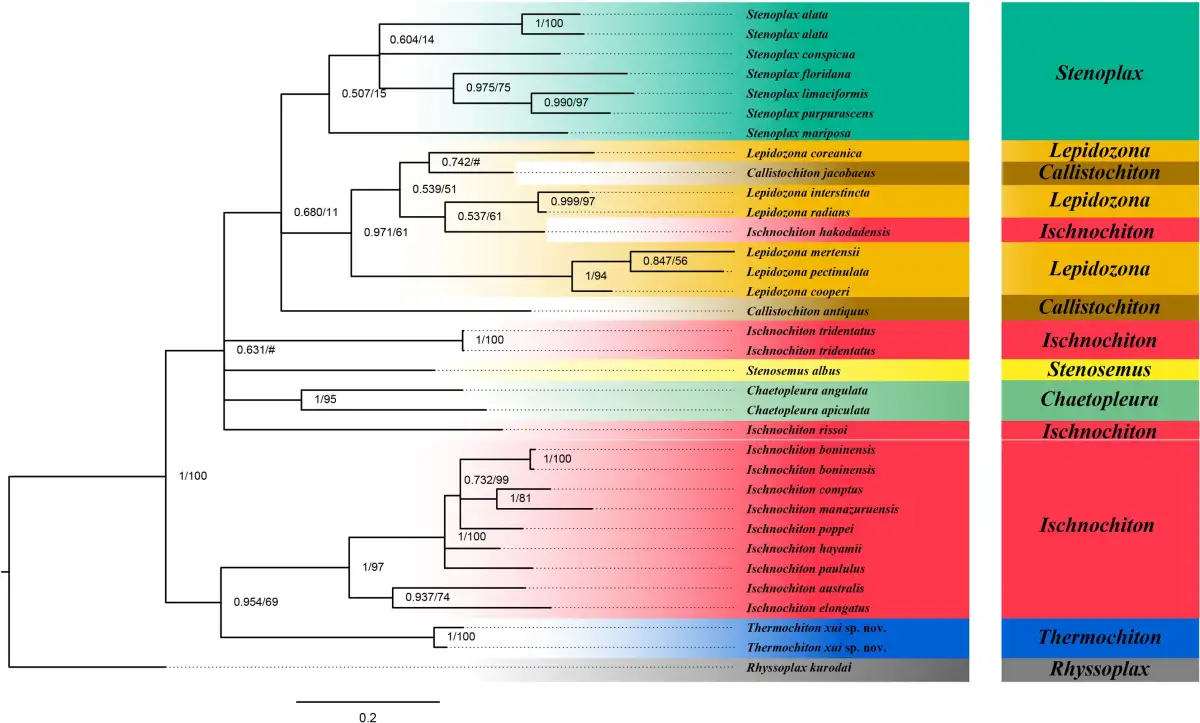
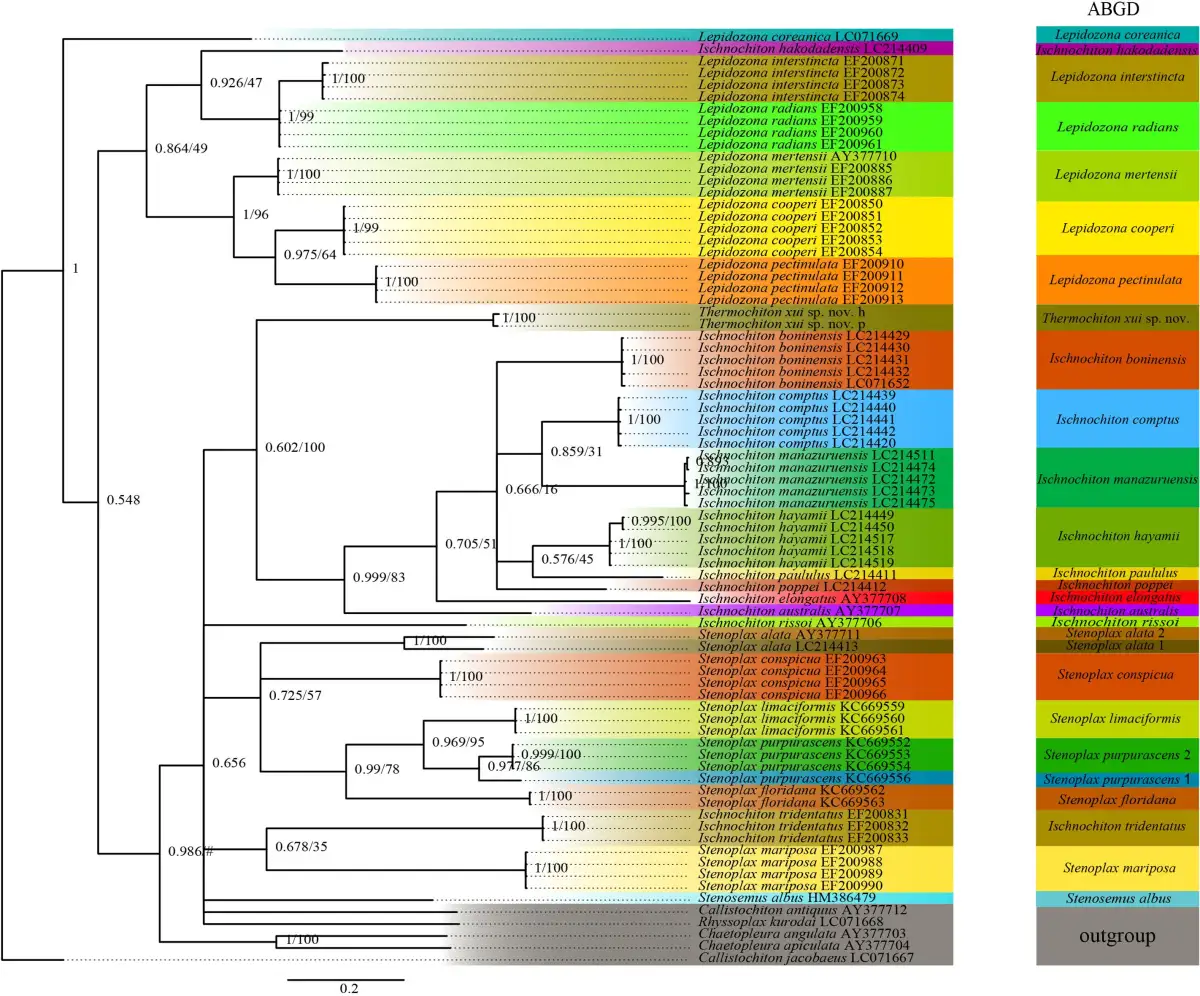
Initial Scientific Interest: Researchers recognized it as a new species, belonging to a lineage of chitons that have historically been under-researched. This discovery was significant for understanding deep-sea wood-fall ecosystems, which are known to harbor highly specialized and undiscovered communities.
The Naming Initiative: The Senckenberg Ocean Species Alliance (SOSA), along with Pensoft Publishers and Ze Frank, launched a campaign to involve the public in naming the species. This initiative was announced across various social media platforms.
Public Engagement: Individuals were invited to propose names and provide a one-sentence justification. This was aimed at enhancing public engagement with marine biodiversity.
Formal Recognition: The scientific description and official naming were published on February 6th in the open-access Biodiversity Data Journal. The chosen scientific name is Ferreiraella populi.
This collaborative approach is a departure from the typical, more insular, methods of scientific nomenclature. While the intent is to foster a connection between science and the public, it's crucial to dissect whether this is a genuine democratization of science or a carefully orchestrated PR campaign.
Read More: Mitchell Robinson Meme: Fan Photo Causes Confusion in Game 1
"The formal description of the species was published today in the open-access Biodiversity Data Journal. The new species represents an addition to a lineage of chitons that has been little researched to date and provides further evidence that deep-sea wood-fall ecosystems host highly specialized and still largely undiscovered communities." - Sigwart (as quoted in Mirage News)
The fact that the scientific description was published in an open-access journal is a positive step towards accessibility. However, the name itself, Ferreiraella populi, derived from "populi" (Latin for "of the people"), directly reflects its public-driven naming.
The Curious Case of the Super-Teeth: Chiton Biology in the Spotlight
While Ferreiraella populi has just been introduced to the world, the broader group of chitons has recently been making waves for a different reason: their incredibly strong teeth. This scientific fascination with chiton dentition adds another layer to our understanding of these often-overlooked marine creatures.
Extreme Hardness: Chiton teeth have been found to be harder than steel. This remarkable feat is achieved through a unique biological process.
Biomineralization Secrets: Scientists have been studying the role of iron-binding proteins, specifically RTMP1, in chiton teeth formation. These proteins, unique to chitons, help in the accumulation of magnetite, a naturally magnetic mineral, which imbues the teeth with their exceptional strength.
Sustainable Construction: Unlike industrial manufacturing processes that require high temperatures and toxic chemicals, chitons grow their super-materials at room temperature. This "eco-friendly" method is of significant interest for potential biomimicry in materials science.
Nanoscopic Engineering: The process involves nanoscopic tubules called microvilli that transport iron-binding proteins to immature teeth, allowing for efficient mineral growth.
| Feature | Conventional Manufacturing | Chiton Tooth Formation |
|---|---|---|
| Temperature | High, energy-intensive | Room temperature, low energy |
| Chemicals | Often toxic | Biologically controlled, sustainable |
| Material Strength | Variable, depends on process | Harder than steel |
| Mechanism | Industrial processes | Biomineralization via proteins |
This parallel discovery of chiton's biological prowess, particularly their teeth, is noteworthy. It suggests that these seemingly simple mollusks are far more complex and technologically advanced in their biological structures than previously understood.
"These unassuming, armor-plated grazers scrape algae from stone using teeth so strong they put our toughest human-made materials to shame." - Science News Today
The implications of understanding chiton teeth extend beyond academic curiosity. It opens doors for developing novel, sustainable, and ultra-hard materials, potentially revolutionizing industries. But, one must ask, does the public engagement campaign for Ferreiraella populi inadvertently overshadow these more profound scientific breakthroughs in chiton biology?
Read More: New Room Temperature Photon Source for Quantum Tech in Korea
The Ze Frank Factor: Amplification or Authenticity?
The involvement of Ze Frank, a popular science YouTuber with a massive following, is undoubtedly a key ingredient in the public naming campaign's success. His platform, known for its engaging and often quirky takes on science, has provided the necessary reach to turn a niche discovery into a global talking point.
Audience Reach: Ze Frank's channel, @True Facts, boasts millions of subscribers, offering unparalleled access to a diverse, globally distributed audience.
Engagement Strategy: His participation transformed a scientific announcement into an interactive event, encouraging participation through likes, shares, and comments on platforms like X, Instagram, Facebook, and Bluesky.
Bridging the Gap: The initiative explicitly aims to "bridge the gap between deep-sea exploration and public engagement," with Ze Frank serving as the primary bridge.
However, this partnership, while effective, warrants a critical eye. Is the participation genuine intellectual curiosity, or is it a form of performative engagement driven by the allure of a viral campaign?
Influence of a Single Voice: How much of the naming decision was truly influenced by diverse public opinion versus the amplified voices within Ze Frank's community?
Scientific Merit vs. Viral Appeal: Were names that were more scientifically descriptive or relevant overlooked in favor of those that were simply more humorous or catchy for social media?
Sustainability of Engagement: Beyond the naming event, how does this initiative foster lasting interest in deep-sea biodiversity or marine science? Is it a fleeting moment of digital connection, or does it plant seeds for sustained public support for scientific endeavors?
The article from Impactful Ninja, which features prominent affiliate links, also raises questions about the commercial undertones of some reporting on this story. While not directly related to the scientific naming process, it highlights the broader ecosystem of online content creation that often surrounds such "internet-driven" discoveries.
Read More: Backrooms Movie Now in Theaters, Based on Internet Horror
"When you buy something through one of our affiliate links, we may earn a small commission (at no extra costs to you)." - Impactful Ninja (Affiliate Disclosure)
This raises a vital point: while the internet can democratize information, it can also commodify it. Is the public engagement with Ferreiraella populi truly about science, or is it a curated experience designed for clicks and shares?
Beyond the Click: Deeper Implications for Science Communication
The naming of Ferreiraella populi is a fascinating case study in modern science communication. It represents a bold attempt to democratize a traditionally exclusive process, leveraging the pervasive influence of social media and online personalities. However, it's crucial to analyze this development with a discerning, critical lens.
Democratization or Delegation? While the public was invited to name the species, the ultimate scientific description and validation still rest with the researchers. Is this true public participation, or is it a delegation of a naming right to the masses after the scientific heavy lifting is done?
The Role of "Influencers": The reliance on a prominent YouTuber like Ze Frank highlights the growing power of social media influencers in shaping public perception of scientific news. While this can be a powerful tool for outreach, it also risks creating echo chambers and prioritizing popularity over scientific rigor.
Measuring True Engagement: How do we measure the long-term impact of such campaigns? Does a viral naming contest translate into sustained public interest in marine biology, conservation efforts, or further scientific research? Or does it become another fleeting digital trend, lost in the endless scroll?
The "Populi" in Ferreiraella populi: The chosen name, Ferreiraella populi, directly translates to "Ferreira's people." This is a clever nod to the public involvement. But does it obscure the specific scientific significance of the chiton itself? Are we celebrating the process more than the discovery?
The recent research into chiton teeth, demonstrating their biological resilience and sustainable manufacturing processes, offers a profound glimpse into the intricate marvels of nature. This information, however, seems to be a secondary theme in the public discourse surrounding Ferreiraella populi. It begs the question:
Are we so enamored with the how of naming that we risk overlooking the what and why of scientific discovery?
Conclusion: A Tentative Victory for Engagement, A Question Mark for Deeper Science
The internet has successfully bestowed a name upon a new deep-sea chiton, Ferreiraella populi. This initiative, spearheaded by SOSA, Pensoft, and Ze Frank, has undeniably succeeded in generating widespread public awareness and engagement. It showcases the immense potential of digital platforms to democratize scientific processes and connect people with the wonders of the natural world, particularly from its most inaccessible realms.
Read More: New AI Drug Discovery Method Fights Resistant Bacteria as of April 2026
However, as we celebrate this moment, it is imperative to remain critical. The public naming campaign, while innovative, raises important questions about the balance between genuine scientific rigor and the performative aspects of online engagement.
What was the selection methodology? We need transparency on how popular, quirky, or scientifically relevant names were weighed against each other.
What is the long-term impact on scientific literacy? Does this inspire ongoing curiosity about marine biodiversity, or is it a flash-in-the-pan event?
Does this model dilute the prestige of scientific nomenclature? Or does it enrich it by fostering a sense of shared ownership?
The simultaneous scientific revelations about the extraordinary strength and sustainable biological engineering of chiton teeth underscore the depth of knowledge still waiting to be uncovered in these organisms. The naming of Ferreiraella populi is a welcome chapter, but it should not overshadow the broader, ongoing scientific narrative of these remarkable creatures.
Read More: New Backrooms Movie Released 3 Days Ago, IMDb Rating 7.1
Moving forward, the scientific community and communicators must strive for a more nuanced approach to public engagement. While innovative methods like public naming can be powerful tools, they should be carefully designed to complement, rather than replace, the rigorous process of scientific discovery and to ensure that the focus remains on the intrinsic value and complexity of the natural world itself.
Sources
Impactful Ninja: https://impactful.ninja/public-names-mysterious-deep-sea-creature-found-3-miles-below-ocean-surface/
Pensoft Publishers (BDJ News): https://bdj.pensoft.net/news/1095
Mirage News: https://www.miragenews.com/new-deep-sea-species-named-by-internet-vote-1615245/
Popular Science: https://www.popsci.com/science/strongest-teeth-animal-mollusk/
Science News Today: https://www.sciencenewstoday.org/scientists-unlock-the-secret-of-a-sea-creature-that-grows-teeth-harder-than-steel
Life Technology: https://www.lifetechnology.com/blogs/life-technology-science-news/internet-names-deep-sea-chiton-with-sosa-pensoft-and-ze-frank
Wikipedia (Chiton): https://en.wikipedia.org/wiki/Chiton
Frontiers in Marine Science: https://www.frontiersin.org/journals/marine-science/articles/10.3389/fmars.2022.889022/full