Chip Giant Unveils New Laptop Processor, Shaking Up Established Order
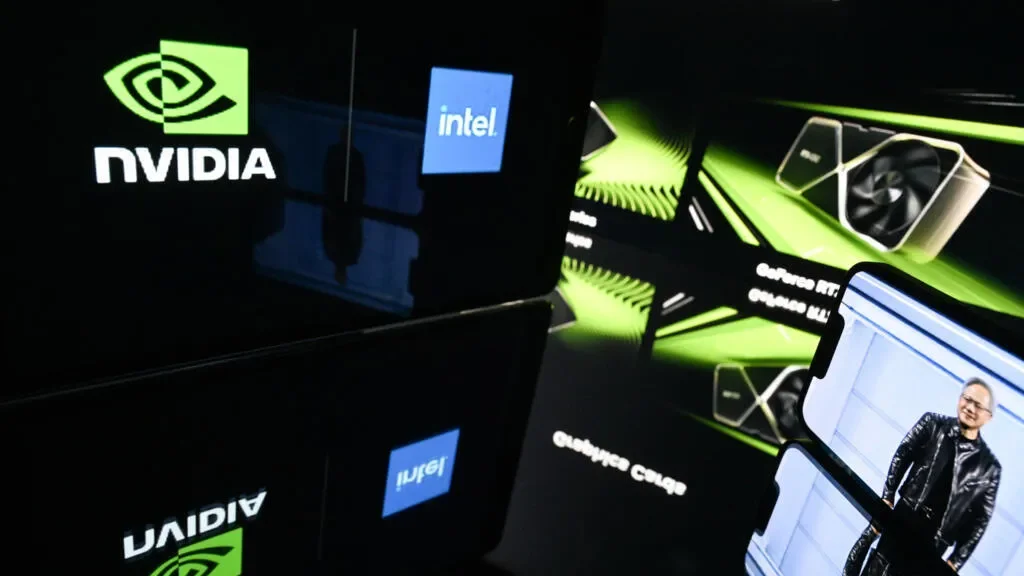
Nvidia has officially entered the PC processor arena, launching a new chip designed for Windows laptops. This move signals a significant escalation in the ongoing race to build devices optimized for artificial intelligence. The announcement, made on Monday, places established players like Intel and AMD on notice, according to industry observers.
The new processor aims to "modernize devices in the age of artificial intelligence," according to a report. This ambitious undertaking taps into the growing demand for enhanced AI capabilities directly on personal computing hardware.
Industry Reaction and Future Ambitions
"Nvidia's new processor changes the game in the race for AI-optimized devices."
While some industry leaders are acknowledging the shift, others are adopting a wait-and-see approach. Cristiano Amon, CEO of Qualcomm, commented on the development in Taipei. However, Al Benzoni of Aperion Technologies expressed a preference to delay acquiring new hardware until Nvidia's technology is more widely adopted.
Read More: Chrome mimeHandler API lets extensions handle file types
Beyond laptops, the pursuit of AI-centric devices extends to smartphones. Yet, efforts to replace traditional applications with agent-based AI have encountered obstacles, namely limitations in computing power and difficulties in securing access permissions for device-integrated tools managed by various companies.
Meanwhile, OpenAI, the creators of ChatGPT, is reportedly working with industrial designer Jony Ive on an undisclosed device. This new gadget, anticipated for next year, is intended to facilitate interaction with AI.
Background: The AI Arms Race
The tech industry is currently engaged in a broad pursuit of integrating AI more deeply into everyday technology. This intensification, particularly evident with Nvidia's direct entry into the PC market, underscores a strategic pivot toward hardware that can handle increasingly complex AI tasks locally, rather than relying solely on cloud-based processing. This shift has implications for computing power, device design, and the very nature of how users interact with their technology.
Read More: Nvidia RTX Spark New AI PC Processors Coming Autumn 2026