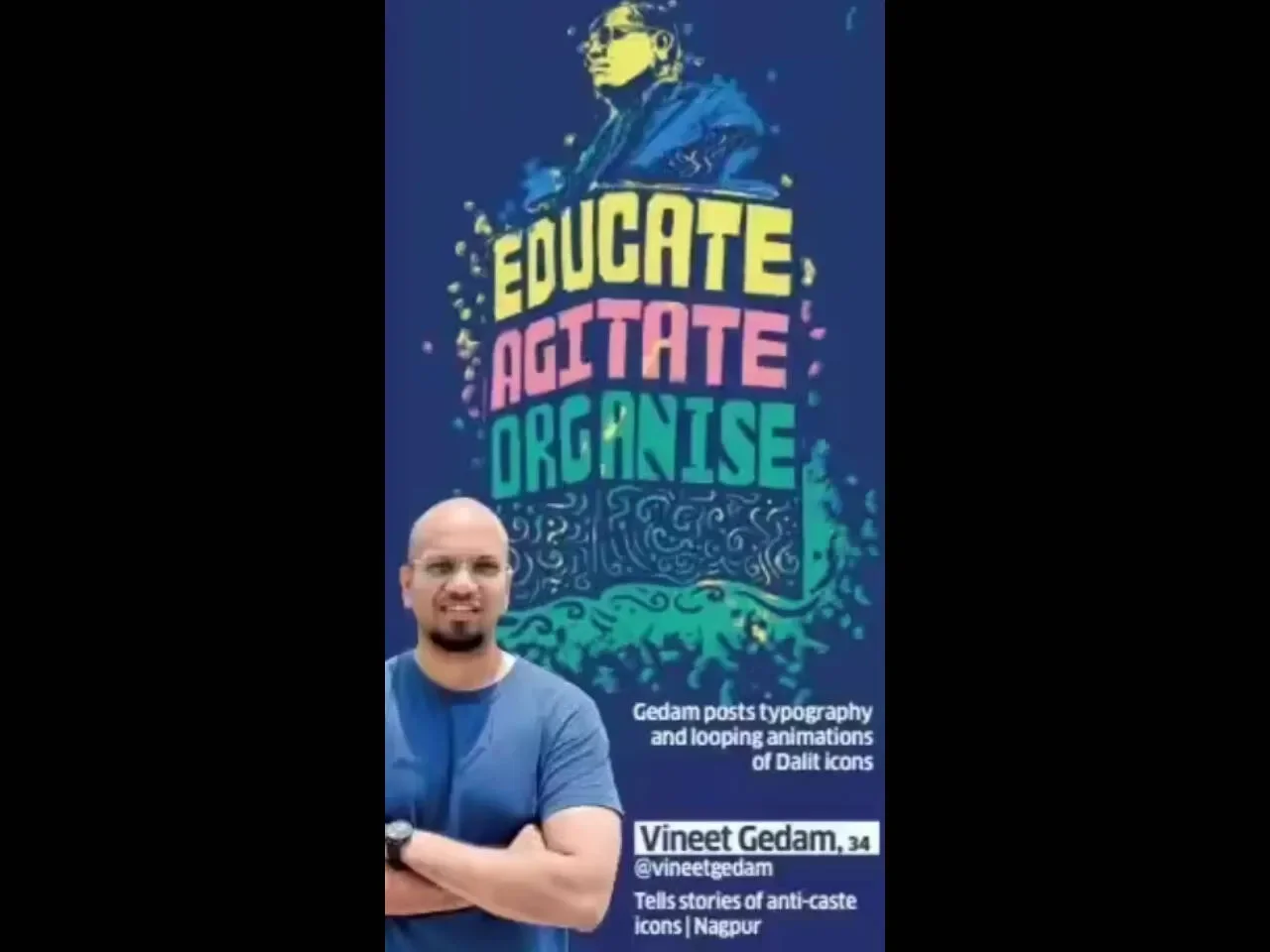
The digital realm of Instagram is increasingly serving as a fertile ground for the proliferation of anti-caste artistic expressions within India, offering a space for marginalized voices to challenge dominant narratives and reframe visual culture. Young artists, particularly from Dalit communities, are leveraging the platform to bypass traditional institutional gatekeepers and engage in direct visual communication. This emergence signifies a shift, allowing for the creation and dissemination of art that directly confronts and deconstructs the ingrained structures of caste.
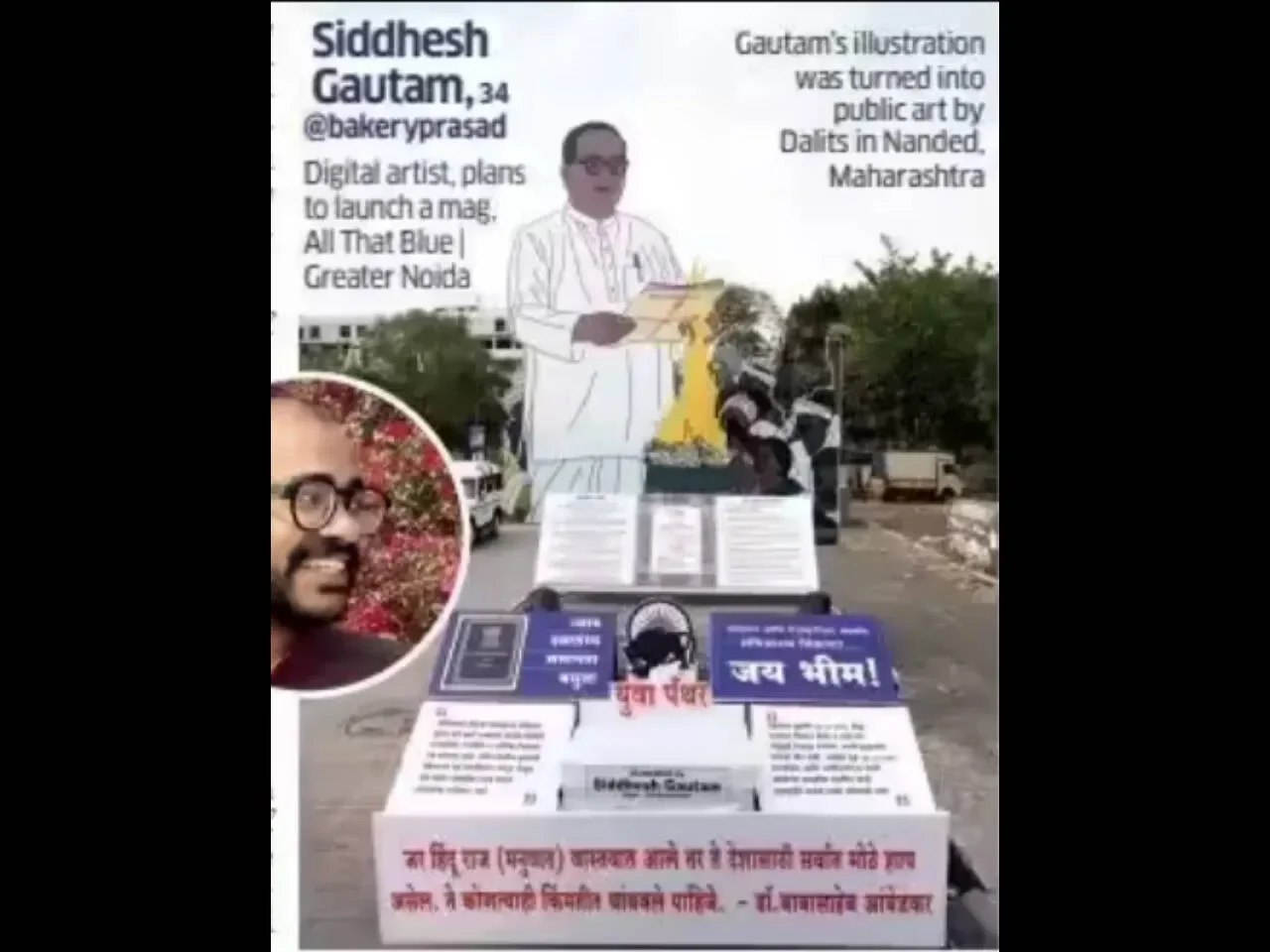
Artist Siddhesh Gautam notes, "This is my gallery," underscoring Instagram's role as an accessible and largely uncensored alternative to established art institutions. He observes persistent tokenism in how institutions engage with Dalit artists, a hurdle that social media appears to circumvent. Gautam believes this moment is opportune for a homegrown anti-caste art movement, fueled by artists employing metaphors and symbols drawn from Dalit history and lived experiences.
Read More: Banana Art Stolen From French Museum, Replaced Quickly

Aesthetic Hegemony and Digital Resistance
The visual language employed by these artists is not arbitrary; it functions within a broader context of "aesthetic hegemony," where caste influences what is considered visually acceptable or desirable. This phenomenon, described by critics, suggests that caste can operate subtly, invisibly, within aesthetic choices, thus becoming "aesthetic." By actively seeking out and creating content that addresses caste, artists on Instagram are attempting to disrupt this established visual order. The platform, in this regard, becomes a site for contesting and de-Brahminising Indian visual art.

Platform Dynamics and Amplification
While Instagram provides a stage for anti-caste art, its underlying algorithmic structure, designed to maximize engagement, can also amplify controversy and, consequently, hate speech. The platform's reliance on engagement means that content, including potentially harmful narratives, can be pushed further if it generates clicks and reactions. This creates a complex environment where art challenging caste hierarchies can coexist with, and sometimes be overshadowed by, digitally amplified caste-based animosity and misogyny. The dynamics of platforms like Instagram, part of the broader Meta ecosystem, thus play a crucial role in shaping the visibility and reception of these artistic interventions.
Read More: India IVF Costs And Social Barriers Limit Access In April 2026
Assertion of Identity and Community Building
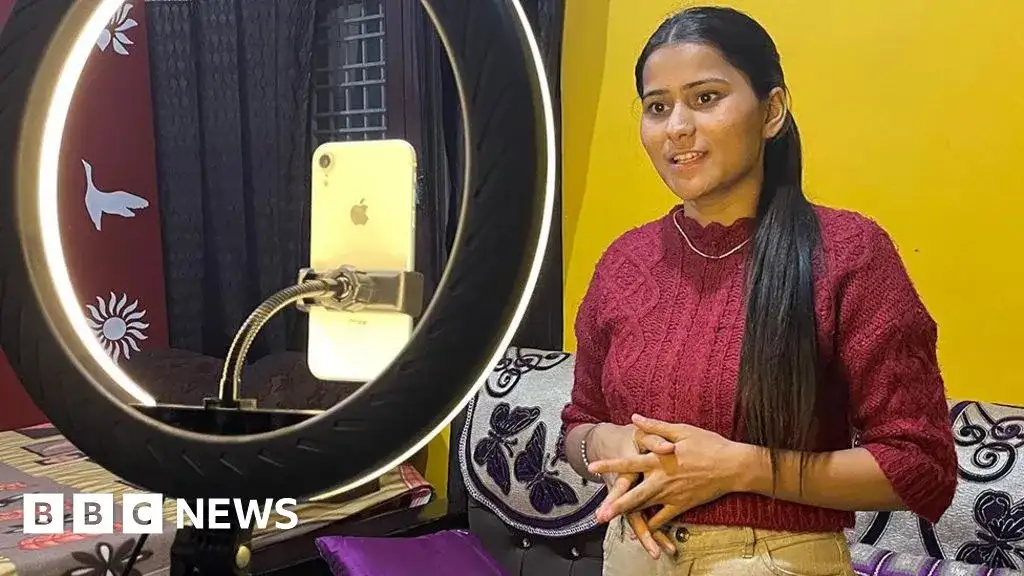
Beyond direct artistic critique, Instagram has also become a space for young Indian women to assert their caste identities publicly. This trend, often originating from smaller towns and villages, marks a departure from the typical reticence of women to discuss such affiliations openly. While some view this as a straightforward expression of identity, it also situates Instagram as a battleground for caste politics. For some, however, the online solidarities forged on the platform provide the courage to assert their identities and counter narratives of casteism.
Background and Context
The rise of anti-caste art on Instagram occurs against a long history of caste-based discrimination in India. Figures like B.R. Ambedkar have inspired visual representations that directly challenge the caste pyramid. The platform's emergence as a significant space for such expression is relatively recent, gaining traction as digital access has expanded and artists seek alternative avenues for visibility and dialogue. The intersection of caste, gender, and digital violence on platforms like Instagram highlights the persistent social hierarchies that manifest and are amplified in the online sphere.
Read More: Kerala Artist Abhilash Thotathil Shows Work at Cannes Biennale