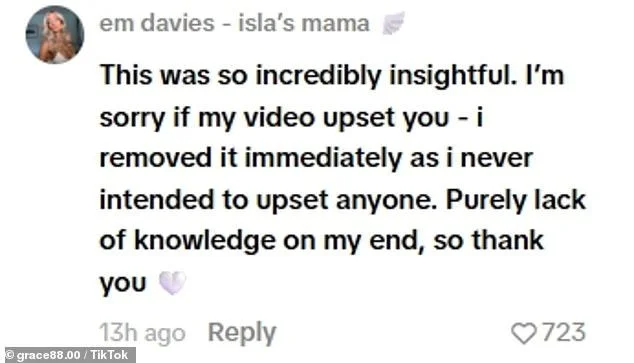
Recent online events involving high-profile social media figures have raised serious questions about the ethics of digital content. At the center of this discussion is Em Davies, a creator who recently shared videos about celebrating Chinese New Year. These posts led to a significant public backlash, with many viewers stating the content treated a deeply rooted cultural tradition as a temporary fashion trend. This event is not isolated. It follows a series of incidents where creators have used public tragedies, such as the Los Angeles fires, or poverty in foreign countries to gain views and "likes."
The tension remains between the creator's goal to stay relevant and the public's demand for respect and authenticity. As these figures turn private lives and global events into "content," the line between participation and exploitation becomes thin. This report examines the evidence behind these claims and the impact of such posts on the communities they depict.
Read More: Trump Uses Taylor Swift Wedding Buzz For Campaign
Chronology of Content Disputes
The following timeline shows recent instances where creator content has led to public disputes regarding sensitivity:
January 18, 2025: Influencers including Sahara Ray, Thomas Wu, and Veronika Kostei are criticized for using the Los Angeles fires as a backdrop for social media photos.
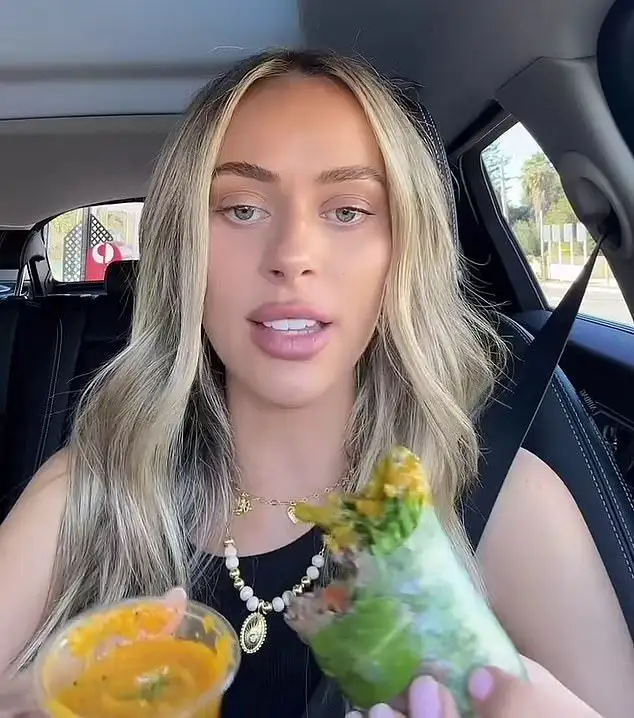
February 2025: Em Davies posts a video giving advice on how to celebrate Chinese New Year.
Late February 2025: A TikTok user named Grace and other commenters state that influencers are treating Chinese New Year as a "trendy aesthetic" rather than a holiday.
March 3, 2025: Em Davies shares images of herself in a hospital bed with an IV drip following her wedding, leading to mixed reactions regarding her health and her "pearl-embellished" vape case.
"I have seen so many influencers this Chinese New Year talk about celebrating Chinese New Year, and they are coming off so… tone-deaf." — Grace, Social Media User.
Evidence of Cultural and Crisis Content
The data suggests a pattern where creators use sensitive topics to maintain engagement. Critics argue that this behavior lacks depth and causes harm to the subjects involved.
| Subject Matter | Creators Involved | Nature of Criticism |
|---|---|---|
| Chinese New Year | Em Davies | Treating a traditional holiday as a "trend" or "aesthetic." |
| Los Angeles Fires | Sahara Ray, Thomas Wu | Using a natural disaster for "clout, clicks, and cash." |
| International Poverty | Unnamed American Influencer | Promoting "Slum Tours" in Mumbai, India, as a holiday activity. |
| Public Health/Pandemic | Various Influencers | Complaining about lost income while the general public struggled. |
The core issue identified by investigators is the "aestheticization" of serious events, where culture or tragedy is used to match a specific visual style for social media feeds.
Analyzing the Intent of Cultural Content
Viewpoint A: Cultural Appreciation
Some argue that when creators share content about holidays like Chinese New Year, they are helping to spread awareness and celebrate diversity. From this perspective, participation is a form of inclusion. If a creator has a large following, their posts can introduce many people to new traditions they might not have known about.
Viewpoint B: Cultural Appropriation
Opposing views, such as those shared by the user Grace, suggest that these posts are shallow. The argument is that influencers only care about the "look" of the holiday—such as the colors or decorations—without understanding the history or significance.
Read More: How AI ethics evaluations change software design on April 7 2026
Is it possible for a creator to participate in a culture without turning it into a "trend" for profit?
Does the focus on visual appeal strip the holiday of its actual meaning for those who practice it?
Using Disaster and Poverty for "Engagement"
A significant part of this investigation involves how creators behave during crises. In January 2025, creators were seen taking photos near the site of the Los Angeles fires. While the city faced destruction, these figures used the setting for fashion-style photography.

Sahara Ray was criticized for posts that critics said made her look like she was "on fire" for the sake of an image.
In Mumbai, an influencer was slammed for a "Slum Tour" video. Critics argued that this "promotes poverty" by turning the difficult lives of others into a tourist attraction.
These instances raise the question: When does documenting a location become an act of disrespect toward the people living through the situation?
Expert Analysis and Industry Response
Experts in digital media and ethics note that the pressure to produce constant content can lead to a "blind spot" regarding social responsibility.
"Social media influencers have a huge fan following… they should not post anything that sounds tone-deaf as a majority of people are struggling." — ScoopWhoop Analysis.
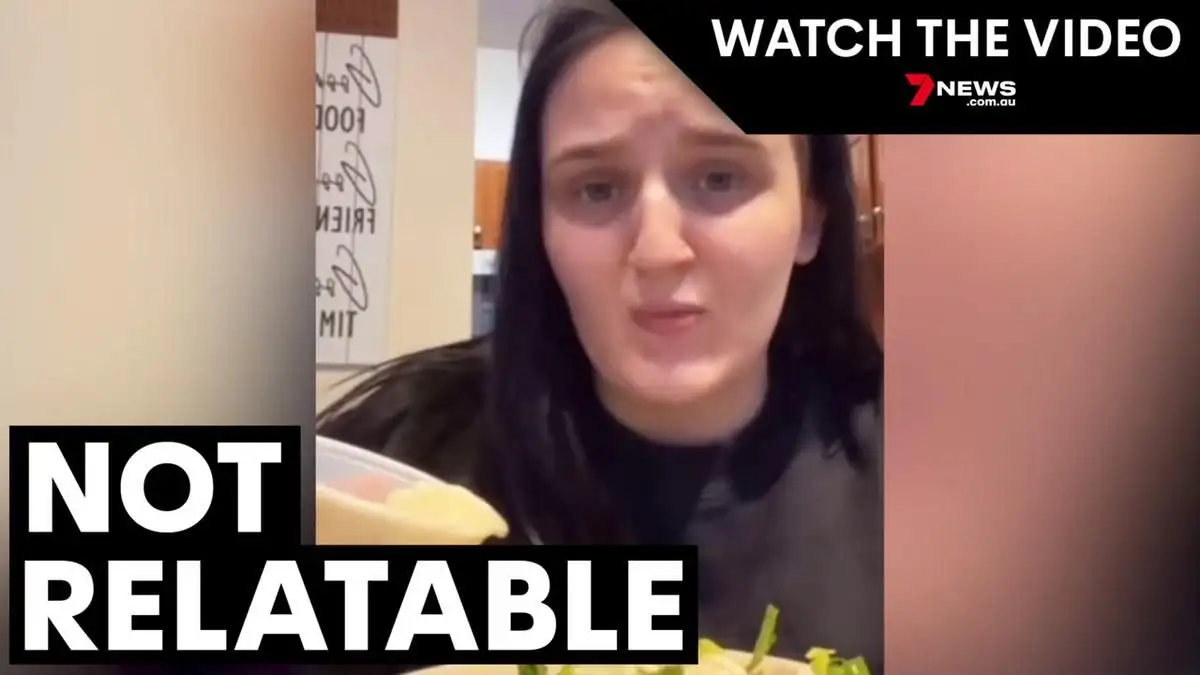
The reports indicate that when creators feel their "job" is hard, they often lose touch with the reality of their audience. For example, an influencer was recently criticized for complaining about the "hard work" of social media while others work manual or high-stress jobs. This disconnect creates a "tone-deaf" environment where the creator's personal brand is placed above the well-being of the community.
Read More: WhatsApp adds usernames to hide phone numbers from April 7, 2026
Conclusion and Findings
The evidence gathered from recent reports suggests several key points:
Cultural Sensitivity: There is a growing divide between how influencers view cultural participation and how members of those cultures perceive it. The phrase "My culture is not your trend" serves as a primary point of conflict.
Crisis Ethics: The use of natural disasters or poverty for visual content is consistently met with public anger. These actions are viewed as "clout-chasing" rather than awareness-building.
Accountability: While some influencers apologize or hide their identities when confronted, the pattern of behavior suggests that the incentive for "views" often outweighs the fear of public criticism.
The next steps for the industry involve a closer look at "Slum Tourism" and the commercialization of holidays. As audiences become more vocal about "tone-deaf" content, creators may be forced to change how they interact with cultures and crises, or risk losing their followers entirely.
Information Sources
Daily Mail: TikToker slams influencers for turning Chinese New Year into a trend (Context on Em Davies and cultural trends).
AOL: Tone-deaf influencers slammed for using LA fires for clout (Details on disaster-based content).
Daily Mail: Fears for Em Davies who is bedridden and on an IV after wedding (Details on Davies' personal health posts).
NZ Herald: Woman slammed for 'promoting poverty' in holiday video (Investigation into slum tours in Mumbai).
ScoopWhoop: 8 Times Influencers Were Slammed For Their Tone-Deaf Comments (Historical context on influencer behavior during the pandemic).
7News: Influencer slammed as tone deaf after complaining about her hard job (Analysis of influencer work complaints).