


The Indian government has permitted the Iranian naval ship IRIS Lavan to berth at the Kochi port following reports of mechanical failure. The vessel, carrying 183 crew members, sought refuge on March 1, coinciding with a surge in military friction between Iran and the United States. While the crew remains housed in Indian Navy facilities, the move signals a calculated detour from Western-led isolation of Iranian assets in the Indian Ocean.
| Vessel Name | Status | Location | Context |
|---|---|---|---|
| IRIS Lavan | Docked | Kochi, India | Reported technical snags; 183 crew sheltered. |
| IRIS Dena | Sunk | South of Sri Lanka | Destroyed by US strikes during transit. |
| IRIS Bushehr | Assisted | Sri Lanka | Over 200 sailors brought ashore after distress. |
The Mechanics of the "Humane"
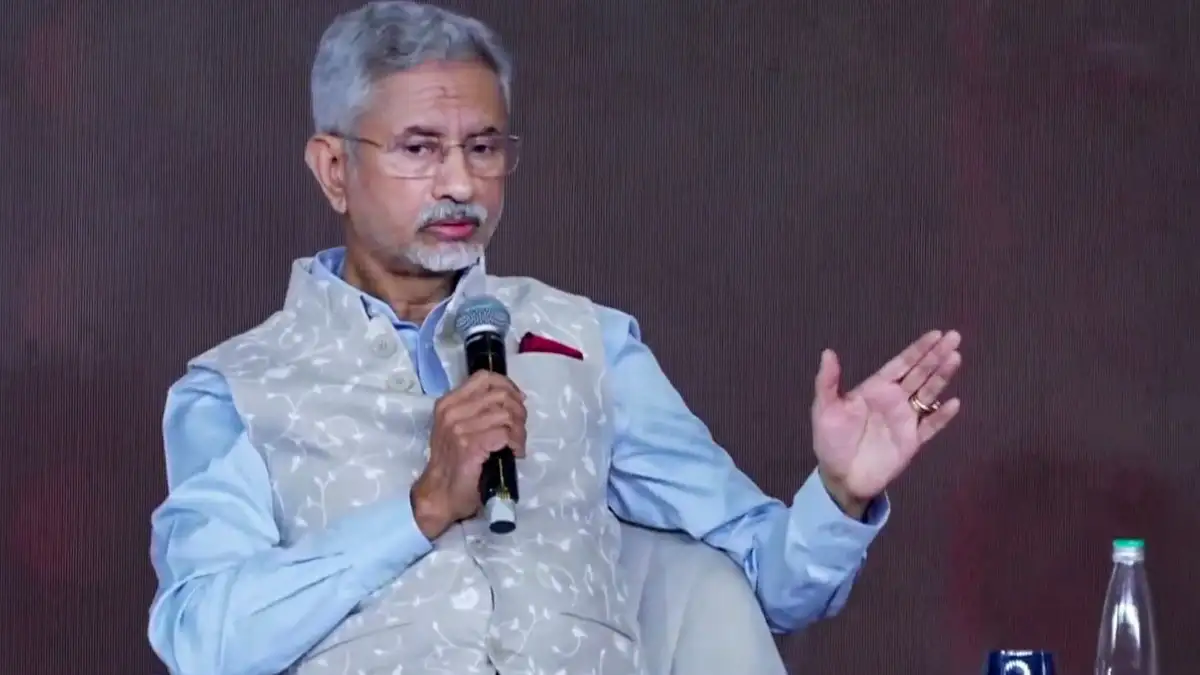
External Affairs Minister S. Jaishankar characterized the docking as a "humane thing to do," a phrase used to bypass the rigid vocabulary of military alliances. The request arrived on February 28, the same day the US and Israel initiated joint strikes against Iranian targets.

India prioritizes the safety of seafarers over the politics of the blockade.
The Iranian Ambassador, Mohammed Fathali, publicly thanked Delhi for the shelter.
Decision-making followed the UNCLOS framework, which demands aid for ships in distress, regardless of the flag.
Friction in the Water
The docking occurs as the Indian Ocean ceases to be a mere transit corridor and becomes a jagged floor for kinetic conflict. Just days prior, three Indian nationals died following Iranian strikes on merchant ships off the coast of Oman. This creates a messy reality where India provides sanctuary to the navy of a state whose actions have resulted in the deaths of its own citizens.
Read More: Trump Stays Firm on War Stance Despite Low Public Support in October 2023

"Please understand the reality of the Indian Ocean… geopolitical tensions often intersect with commercial and naval activities." — S. Jaishankar
The sinking of the IRIS Dena nearby highlights the proximity of the violence. While India maintains its "humanitarian" label, the presence of Iranian naval personnel on Indian soil during an active conflict with the US tests the limits of "strategic autonomy."
Background: The Dead and the Diplomatic
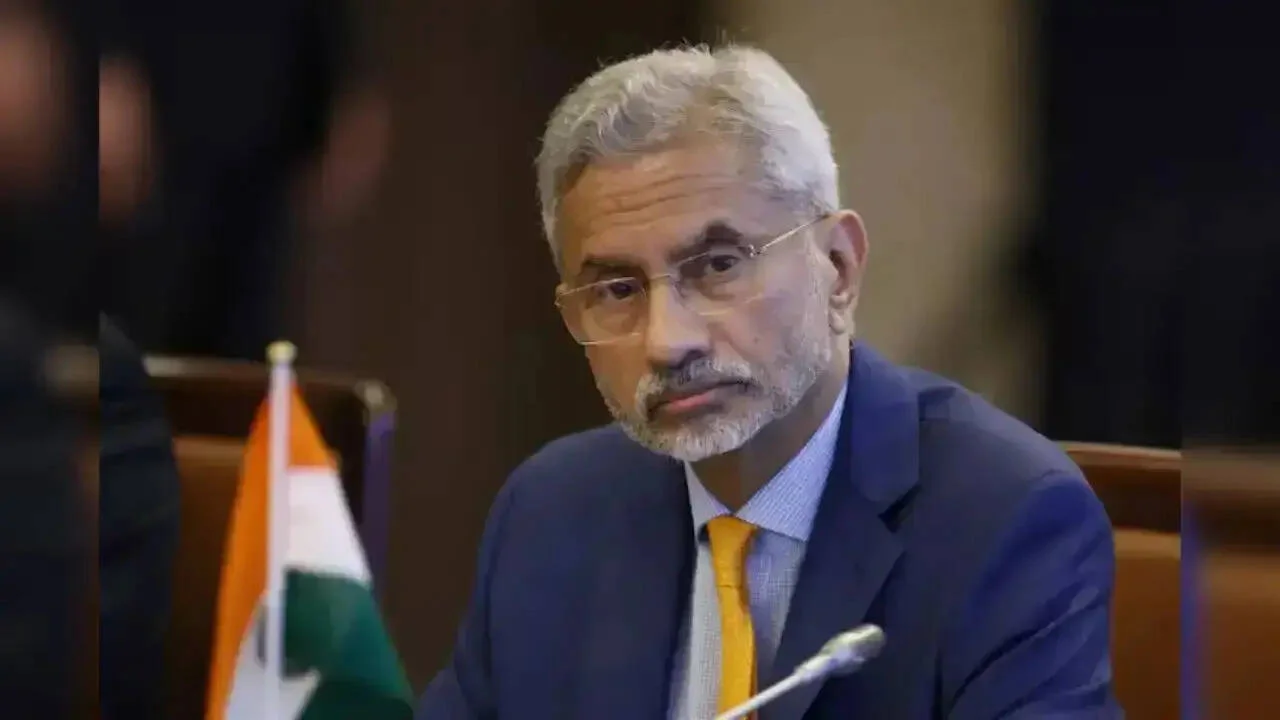
The timing of the IRIS Lavan’s stay is further complicated by recent diplomatic shifts in Tehran. Foreign Secretary Vikram Misri recently visited the Iranian embassy to offer condolences for the death of Supreme Leader Ayatollah Ali Khamenei.
India has spent the last ten years investing in a "rebuilding process" for the Indian Ocean.
This process involves balancing the hardware of the US Navy with the historical proximity of Iran.
The Raisina Dialogue served as the stage for these explanations, framing a tactical necessity as a moral choice.