Shifting Sands of Management Amidst Genetic Discoveries
Recent findings have illuminated significant genetic distinctions within Baltic Sea herring populations, prompting serious questions about the efficacy of current fishing regulations. These genetic variations suggest that distinct herring groups may exist, complicating management strategies that often treat the species as a monolithic entity. This disconnect between biological reality and regulatory frameworks is emerging as a central point of contention, particularly as fishing ministers convene to set quotas.
Disparate Genetic Realities and Regulatory Inertia
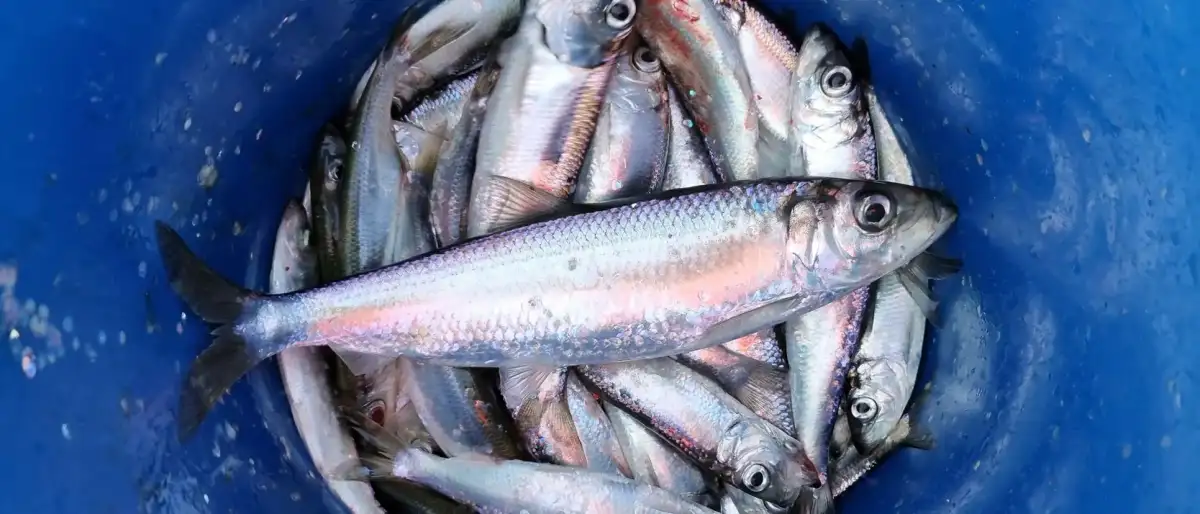
New genetic mapping efforts have underscored the existence of populations with striking genetic differences. Despite these apparent divisions, hybrid forms have been identified, hinting at complex interbreeding dynamics that existing management zones may not adequately account for. This complexity is further compounded by observations of unusually large, piscivorous (fish-eating) herring along specific Baltic coastlines. These fish appear to have evolved a diet shift from plankton to smaller fish, a characteristic not found in their Atlantic counterparts. Researchers note that these "predatory herring" are genetically unique, raising further questions about their integration into broader management plans.
Read More: Greater Amberjack Numbers Change in South Atlantic and Gulf
Political Pragmatism vs. Ecological Precaution
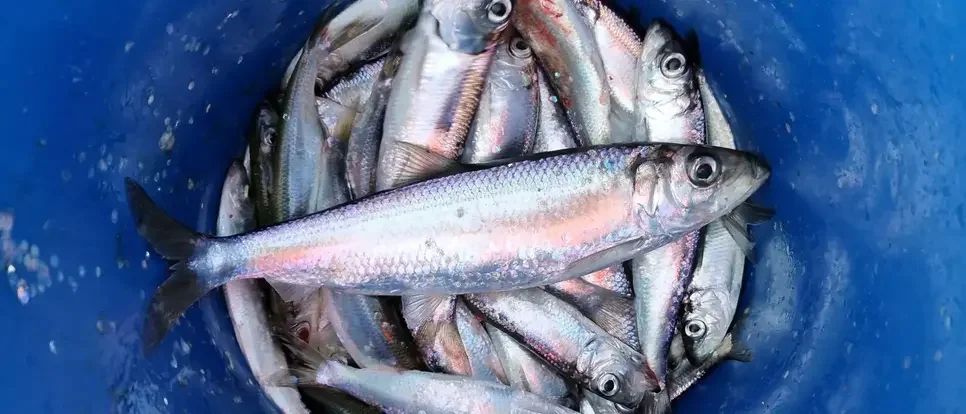
Against this backdrop of scientific revelation, political decisions regarding fishing quotas appear to operate on a different logic. For 2026, decisions by the Council of Ministers approved increases for sprat and Baltic Sea herring, while imposing reductions in the Gulf of Riga. This contrasts with proposals from the European Commission that advocated for unchanged herring quotas in the Baltic Sea and proposed reductions for sprat. While Latvia’s fishing opportunities saw a 15% increase for Baltic Sea herring, a 17% reduction was enacted for the Gulf of Riga. The Council’s decision to approve these increases, particularly for herring, deviates from scientific advice, which has recommended increased herring fishing in the Baltic Proper, yet coastal fishermen report poor catches.

Scientific Advice and Political Disregard
International scientific bodies, such as ICES, have issued recommendations that often run counter to ministerial decisions. For 2026, ICES advised a continued ban on cod fishing in the eastern Baltic and increased herring fishing in the Baltic Proper. However, marine organisations have voiced significant concern, stating that EU fisheries ministers have repeatedly ignored scientific limits and exceeded Total Allowable Catches (TACs). These actions are described as "short-sighted," prioritizing "interim political gains over long-term sustainability" and potentially pushing the Baltic Sea ecosystem closer to collapse. The narrative from some quarters is that ministers "would rather breach laws than save fish in the Baltic Sea."
Read More: Amazon Land Use Changes Cause Disease Clusters in Brazil

The Ecosystemic Web: Herring, Sprat, and Cod
The fate of herring is intricately linked with other key species in the Baltic Sea. For instance, reduced predation and competition from herring have been suggested as contributing factors to an increase in three-spined stickleback populations. ICES also recommended reduced sprat fishing and advised for a further reduction in salmon fishing opportunities, citing poor recovery of wild salmon populations. The Council of Ministers’ decisions, however, have shown a willingness to deviate from strict adherence to scientific recommendations, aiming to balance conservation with maintaining traditional coastal livelihoods. The continued ban on cod fishing in the eastern Baltic, for example, was a compromise that averted the EC’s original proposed drastic reductions, which were deemed threatening to coastal fisheries.
Read More: New Program Helps Fishermen in Andhra Pradesh
Broader Implications for Fisheries Management
The genetic mapping revelations extend beyond the Baltic Sea. A Norwegian study highlighted that herring populations north of 62 degrees latitude, traditionally managed as a single unit, are in reality a mix of up to 12 genetically distinct groups. This lack of precise identification of which populations are being caught raises concerns about unintentional overfishing of specific, potentially vulnerable, groups. The study proposes a shift from fixed management zones to dynamic, flexible areas that adapt to herring movements, suggesting a fundamental rethinking of fisheries management principles across broader regions.
Historical Context: The Baltic Sea's Troubled Waters
The Baltic Sea faces considerable environmental stress. The Common Fisheries Policy (CFP) and the Baltic Multiannual Plan are intended to guide management, but enforcement and adherence to scientific advice have been inconsistent. Past decisions have seen ministers opting to keep bycatch quotas for western herring and Baltic cod stocks despite evidence of severe ecosystem strain. The complexity of managing shared fish stocks, compounded by genetic diversity and the pressures of industrial fishing, creates a continuous tension between ecological imperatives and economic interests.
Read More: Kanyakumari Atomic Mining Permit Extended for 1144 Hectares in 2026