

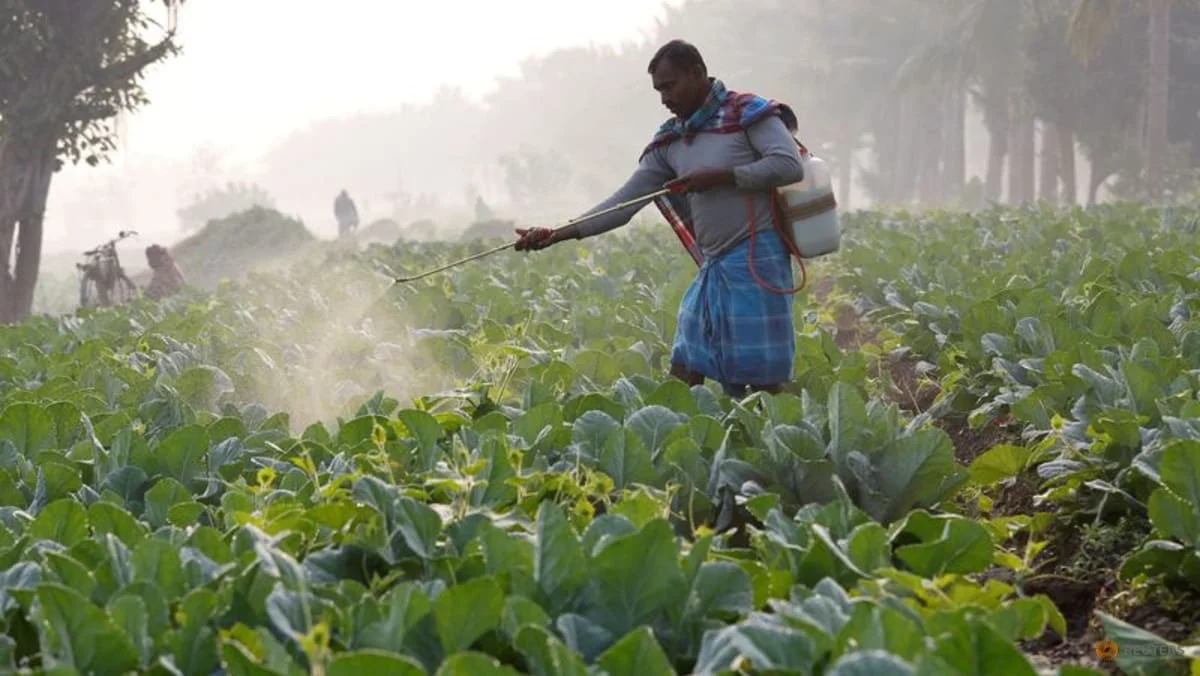
A veil of triumphant pronouncements cloaks a burgeoning India-US trade deal, a pact that promises reduced tariffs on a range of goods and a significant boost to American arms and energy exports to India. Yet, beneath the surface of this seemingly amicable agreement, critical questions fester about the true cost to India's agrarian backbone and the transparency of these negotiations. While US officials herald a significant reduction in tariffs for American industrial goods and increased market access, whispers of Indian farmers being left vulnerable to a surge of heavily subsidized American produce cast a long shadow. Is this truly a balanced accord, or a strategic concession where India’s food security and the livelihoods of millions hang in the balance?
The Shifting Sands of Diplomacy and Tariffs
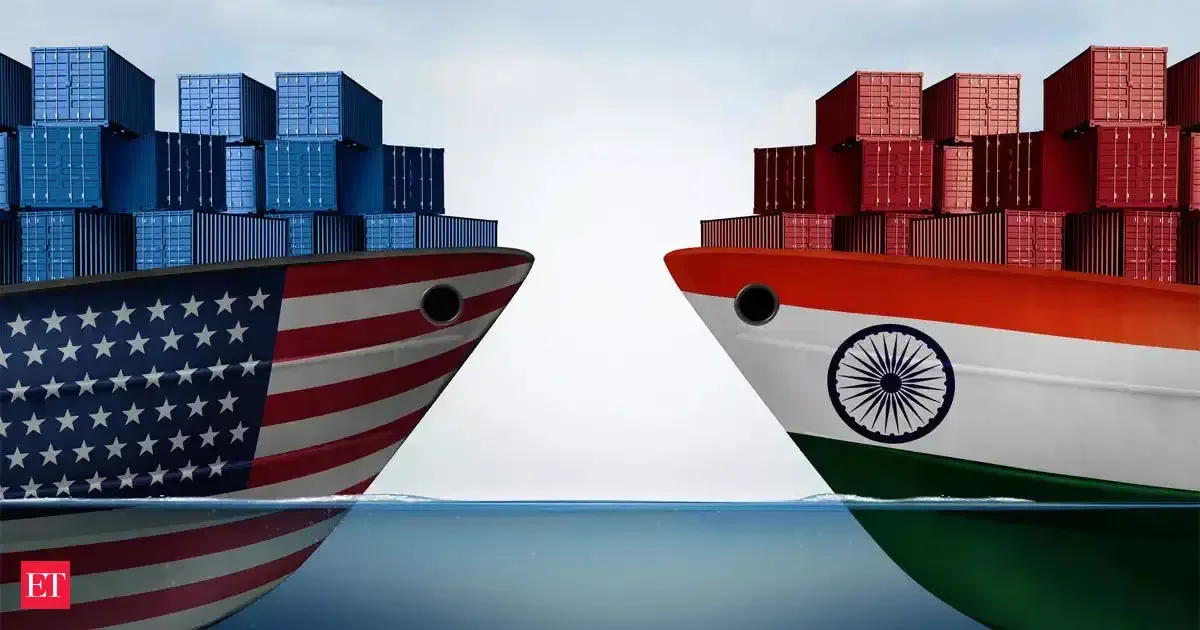
The recent announcement of a significant trade agreement between India and the United States, brokered between President Donald Trump and Prime Minister Narendra Modi, signals a potential thaw in long-standing trade disputes. The core of the deal, as pieced together from various sources, appears to involve a substantial reduction in tariffs on American industrial goods entering India, a move that could see them plummet from around 13.5% to zero. Concurrently, the US is slated to slash its tariffs on Indian goods from a hefty 50% down to approximately 18%. Beyond these tariff adjustments, the agreement reportedly includes provisions for India to purchase American aircraft, arms, and energy resources.
Read More: UK Economy Grows Very Slowly at End of 2025
However, the devil, as always, lies in the details, particularly concerning India's agricultural sector. While US Trade Representative Jamieson Greer has indicated that India will maintain "some protection around agricultural goods," the precise scope and robustness of these protections remain opaque. This ambiguity is amplified by reports suggesting that the US sees the deal as opening up the Indian market for American farm products, a sentiment echoed by US Secretary of Agriculture Brooke Rollins, who optimistically projected a boost for American exports.

This discrepancy in emphasis raises immediate red flags:
What specific agricultural categories are being opened to US imports? The absence of clarity on commodities like rice, beef, soybeans, sugar, and dairy – sectors India has actively protected in previous deals – is deeply concerning.
How will India's "limited access" for US agricultural products be managed? Will it be a controlled influx, or a floodgate that overwhelms domestic producers?
What are the exact "key protections" India is said to be maintaining for its farmers? Vague assurances offer little solace when livelihoods are at stake.
A History of Trade Tensions and Farmer Concerns
The current agreement emerges from a backdrop of persistent trade friction between the two nations. For years, the US has voiced its dissatisfaction with India's trade practices, often citing high tariffs and market access barriers. India, conversely, has strived to protect its nascent industries and, crucially, its vast agricultural sector, which employs a significant portion of its population and is vital for national food security.
Read More: ICC Wants Cricket Leaders to Talk During India-Pakistan Match
Past Grievances: The US has previously complained about India's import duties on various goods, including high-value agricultural products. India has also faced scrutiny over its agricultural subsidies and support mechanisms.
Farmer Protests: India has a history of large-scale farmer protests, often triggered by concerns over trade policies, agricultural pricing, and market access. The memories of these agitations, which can paralyze cities and disrupt the economy, are fresh in the minds of policymakers.
WTO Stance: India has consistently advocated for the rights of developing nations at the World Trade Organization (WTO), particularly concerning agricultural subsidies and protecting domestic farmers from what it views as unfair competition from heavily subsidized exports of developed nations. Allowing such imports, as argued by the Indian Coordination Committee of Farmers Movements (ICCFM), could undermine India’s longstanding WTO position.
The urgency behind these concerns cannot be overstated. The livelihoods of millions of Indian farmers are directly tied to the success and protection of their produce. Any perceived weakness in the trade deal, particularly concerning agriculture, could lead to significant economic distress and social unrest.
Read More: US Debt Growing Fast, Experts Say It's a Problem

Decoding the "Limited Access" Conundrum
US Trade Representative Jamieson Greer's statements offer a dual narrative: a reduction in Indian tariffs on American industrial goods to zero, while India "maintaining some protection around agricultural goods." This carefully worded assertion begs for dissection.
"India is maintaining some protection around agricultural goods." - Jamieson Greer, US Trade Representative
This statement, repeated across multiple reports, acts as both a reassurance and a source of anxiety. While it acknowledges India's effort to safeguard its farmers, the ambiguity of "some protection" is striking.
| US Claim | Indian Counterpoint/Concern | Potential Ramifications |
|---|---|---|
| Tariffs on US industrial goods to zero. | Reduced import costs for American manufacturers. | Increased competition for domestic Indian industries. |
| US tariffs on Indian goods down to 18% from 50%. | Increased access for Indian exports to the US market. | Boost for Indian export sectors like textiles, IT, and potentially seafood. |
| India to maintain "some protection" on agri goods. | Which agri goods? How robust is the protection? | Risk of unmanageable import surges, price depression for Indian farmers, food security. |
| US sees deal as boosting farm exports to India. | Fears of heavily subsidized US produce undermining local markets. | Threat to the viability of small and marginal Indian farms. |
Read More: Ships in [Name of Waterway] Have Close Call; Nations Blame Each Other
The US agriculture secretary's optimism about increased exports fuels these concerns. If the deal allows a substantial influx of American agricultural products, especially those that are heavily subsidized by the US government, it could create an uneven playing field.

Why did the US Secretary of Agriculture signal more exports if India's agriculture is fully protected? Is this a pre-emptive statement to appease American farmers, or an indication of concessions made by India?
What specific "protected areas" of India's agriculture sector is the US willing to "continue to work on" for access? This implies ongoing negotiations or potential future pressure points.
The Unspoken Deals: Arms, Energy, and Geopolitical Currents
While the focus has been on tariffs and agricultural goods, the reported inclusion of India purchasing US aircraft, arms, and energy is a critical, yet often understated, component of the deal. This aspect injects a significant geopolitical and strategic dimension into what is presented as a purely economic exchange.
Read More: Global Food Prices Dropped in April
Strategic Partnerships: The US views India as a crucial partner in the Indo-Pacific region, particularly in countering China's growing influence. Arms sales and energy cooperation can be seen as instruments to deepen this strategic alignment.
Economic Reciprocity: For the US, these large-scale purchases by India could represent a significant economic boon, potentially offsetting any perceived trade imbalances or political concessions made in other areas.
Diversification of India's Defence: While strengthening ties with the US, does this move towards American defence equipment come at the cost of diversifying India's defence procurement and potentially increasing dependency?
This dual-track approach – economic concessions in agriculture versus strategic procurements – raises questions about the overall fairness and intent of the agreement.
"Our amazing relationship with India will be even stronger going forward." - Senator Jim Risch, linking the deal to countering China.
Read More: India and US Agree on Trade Deal After Tariff Fights
This quote underscores the geopolitical underpinnings. Is India leveraging its strategic importance to secure a trade deal, or is it being nudged into an economic arrangement that serves broader US foreign policy objectives?
The Path Forward: Transparency and Farmer Welfare
As the "terms are being put on paper," the Indian government faces immense pressure to ensure that the final agreement genuinely protects the interests of its farmers and does not compromise the nation's food security. The lack of specific details regarding agricultural concessions is a cause for serious concern, especially given the past experiences and the significant role of agriculture in the Indian economy and society.
The coming days and weeks will be crucial in discerning the true nature of this India-US trade deal.
What specific agricultural products have been excluded from the US access demands? A clear, itemized list is imperative.
What are the precise tariff reduction schedules for both industrial and agricultural goods, and when will they come into effect?
Will the Indian government make the full text of the trade agreement publicly accessible, allowing for scrutiny and debate?
Read More: Education Helps People and Countries Get Richer
"India to keep some farm protections in US trade deal, buy arms, energy." - This headline itself encapsulates the central tension.
Ultimately, any trade deal must be more than just a statistic on trade balance sheets. It must reflect a commitment to equitable growth, sustainable development, and the well-being of the people, especially those on the frontlines of the economy – India's farmers. The current opaqueness surrounding agricultural concessions casts a long shadow over this commitment, demanding urgent clarity and robust oversight.
Sources:
Article 1: India to keep some farm protections in US trade deal, buy arms, energy - Business Standard. Published: 3 hours ago. Link: https://www.business-standard.com/economy/news/india-to-keep-some-farm-protections-in-us-trade-deal-buy-arms-energy-1260204000711.html
Article 2: India set to keep some agriculture protections under US deal: Trump's trade chief - India Today. Published: 13 hours ago. Link: https://www.indiatoday.in/business/story/india-set-to-keep-some-agriculture-protections-under-us-deal-trumps-trade-chief-2862588-2026-02-03
Article 3: Trade Deal Allows India To Maintain Agricultural Import Protections: US Trade Envoy - News18. Published: 6 hours ago. Link: https://www.news18.com/world/trade-deal-will-allow-india-to-maintain-agricultural-import-protections-us-trade-representative-ws-l-9877553.html
Article 4: India Pushes Back After US Claim on More American Farm Imports Under Trade Deal: Reports – Outlook Business. Published: 1 day ago. Link: https://www.outlookbusiness.com/planet/industry/india-us-trade-deal-agriculture-dairy-exclusion
Article 5: US agriculture secretary signals more exports to India, fuelling import concerns - The Indian Express. Published: 23 hours ago. Link: https://indianexpress.com/article/business/us-agriculture-secretary-signals-more-exports-to-india-fuelling-import-concerns-10510525/
Article 6: India-US pact gives big push to American farm goods in Indian market: Washington leaders - The Economic Times. Published: 22 hours ago. Link: https://economictimes.indiatimes.com/news/economy/foreign-trade/india-us-pact-gives-big-push-to-american-farm-goods-in-indian-market-washington-leaders/articleshow/127878116.cms
Article 7: 'India maintaining protection around agricultural goods': US on trade deal with Delhi, says tariffs to drop to zero from 13.5% - The Times of India. Published: 12 hours ago. Link: https://timesofindia.indiatimes.com/business/india-business/india-maintaining-protection-around-agricultural-goods-us-on-trade-deal-with-delhi-says-tariffs-to-drop-to-zero-from-13-5/articleshow/127888406.cms
Read More: US Official Meets European Far-Right Leaders

)


