A nationwide shortage of Liquefied Petroleum Gas (LPG) is significantly impacting food services at railway stations across India, forcing caterers to alter menus and operations. While onboard catering on trains has seen limited immediate disruption, railway officials warn that sustained LPG supply issues could lead to the suspension of cooked meal services and potential refunds for pre-booked passenger meals.
Disruptions are most acutely felt at railway station outlets, including food plazas, refreshment rooms, and Jan Aahar centers. Food vendors report difficulties in maintaining regular operations, with some forced to limit menu items that require continuous gas usage.
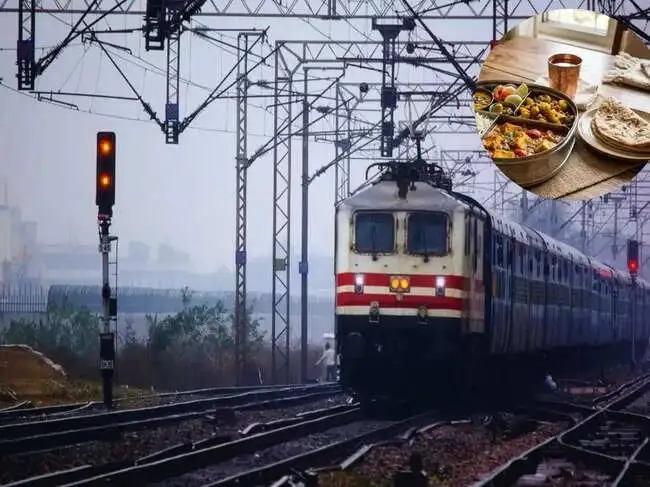
The core of the problem lies in IRCTC's base kitchens, where meals for long-distance trains are prepared. These facilities, crucial for supplying pantry cars, are experiencing cooking challenges due to declining LPG supplies. This bottleneck threatens the consistency of food preparation for passengers traveling on extensive journeys.
Read More: New Bengaluru Green Line Metro Trains Arriving by August 2026
"Because of this system, the current LPG shortage has not significantly affected catering services on trains so far, though we are closely monitoring the situation." - South Western Railway Official
In response to the unfolding crisis, the Indian Railway Catering and Tourism Corporation (IRCTC) has issued an urgent advisory to its catering partners. This directive calls for a strategic shift to alternative cooking methods. Caterers are being encouraged to transition from traditional gas stoves to electric equipment such as induction cooktops and microwaves to ensure service continuity. Additionally, IRCTC has instructed units to stock ready-to-eat food items as a contingency measure.
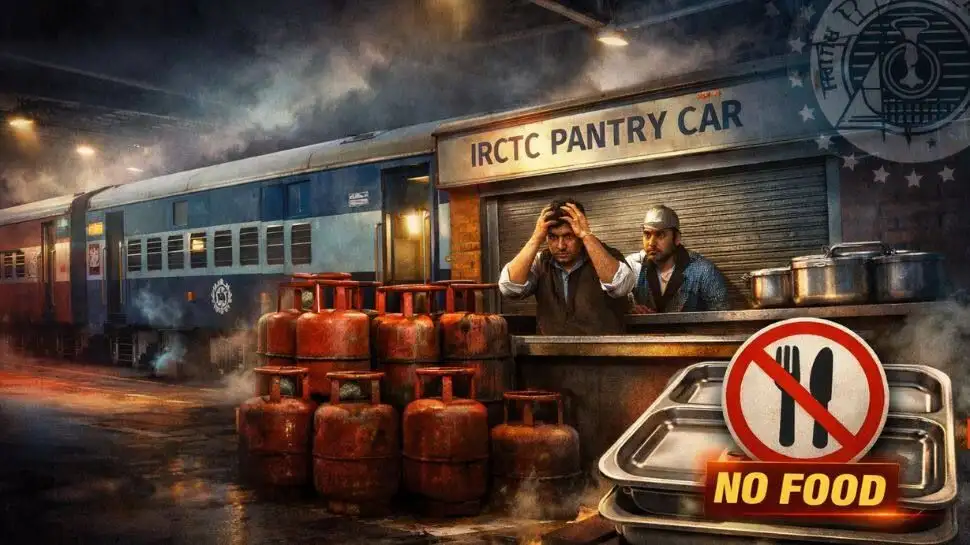
The broader context for this LPG shortage is linked to global energy dynamics, specifically mentioning the ongoing conflict in West Asia. India's heavy reliance on LPG imports makes its supply chain vulnerable to international disruptions.
The government has also implemented measures to manage the crisis, including rationing natural gas and prioritizing supply for domestic households and the transport sector.
Read More: Bengaluru Blue Line Metro Gets First Automated Train for Airport Route

"The directive applies to food plazas, refreshment rooms and Jan Ahaar outlets operating at railway stations across the country following a reported cut in Liquefied Natural Gas (LNG) supplies."
IRCTC manages an extensive food service network, preparing approximately 17 lakh meals daily across India through its base kitchens and onboard catering. The current LPG crunch poses a significant challenge to maintaining this scale of operation.
While onboard pantry cars primarily function as reheating and distribution units rather than full-scale kitchens, their reliance on pre-prepared meals from base kitchens makes them susceptible to upstream supply disruptions. Officials state that while immediate impacts on train catering have been minimal, they are closely monitoring the situation.
The potential for service suspension has led IRCTC to consider offering refunds to passengers who have pre-booked meals with their tickets. This contingency planning aims to manage passenger expectations and mitigate dissatisfaction should cooked meal services be temporarily halted.
The crisis has also seen a surge in sales of alternative cooking appliances like induction cooktops and electric kettles in the general market, indicating a wider consumer response to the LPG supply concerns.
Read More: Bemidji Hwy 197 Traffic Moves to Bypass Lane June 4
/newsfirstprime/media/media_files/2026/02/18/green-line-metro-2026-02-18-14-46-47.jpg)