NEW DELHI - Indian authorities have flatly rejected assertions that New Delhi provided any intelligence or logistical support to the United States in its operation that resulted in the sinking of an Iranian naval vessel. Navy sources described these claims as entirely without foundation, emphasizing that no formal request for assistance was ever received from Washington.
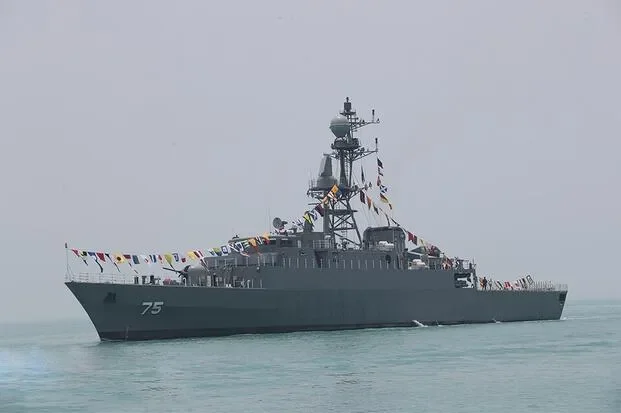
The Iranian warship, identified as the IRIS Dena, was torpedoed and sunk by an American submarine in international waters off the coast of Sri Lanka. This occurred shortly after the vessel had participated in Exercise MILAN, a multilateral naval drill hosted by India in Visakhapatnam.

Clarifying Agreements and Autonomy
"Baseless," declared a senior Indian naval officer, directly addressing the rumors. He further clarified that existing communication and logistics pacts between India and the U.S. are not automatically invoked for such specific operational contexts. Each potential request undergoes an independent assessment, a process designed to safeguard India's 'strategic autonomy'. Officials were keen to underscore that these arrangements do not compel India into military alliances or mandate immediate technology transfers or logistical commitments. While data sharing does occur under certain frameworks, it does not obligate India to support U.S. defense actions.
Shadows Over Regional Security
The sinking of the IRIS Dena has cast a pall over India's self-proclaimed role as a 'net security provider' in the Indian Ocean. The timing, with the vessel departing Indian naval exercises just prior to the incident, has drawn particular attention and concern in New Delhi. Retired naval officers and analysts have suggested that the event challenges India's image as a guardian of regional maritime stability.
Read More: Iran Zagros Mountain Nuclear Site Construction Update April 2026
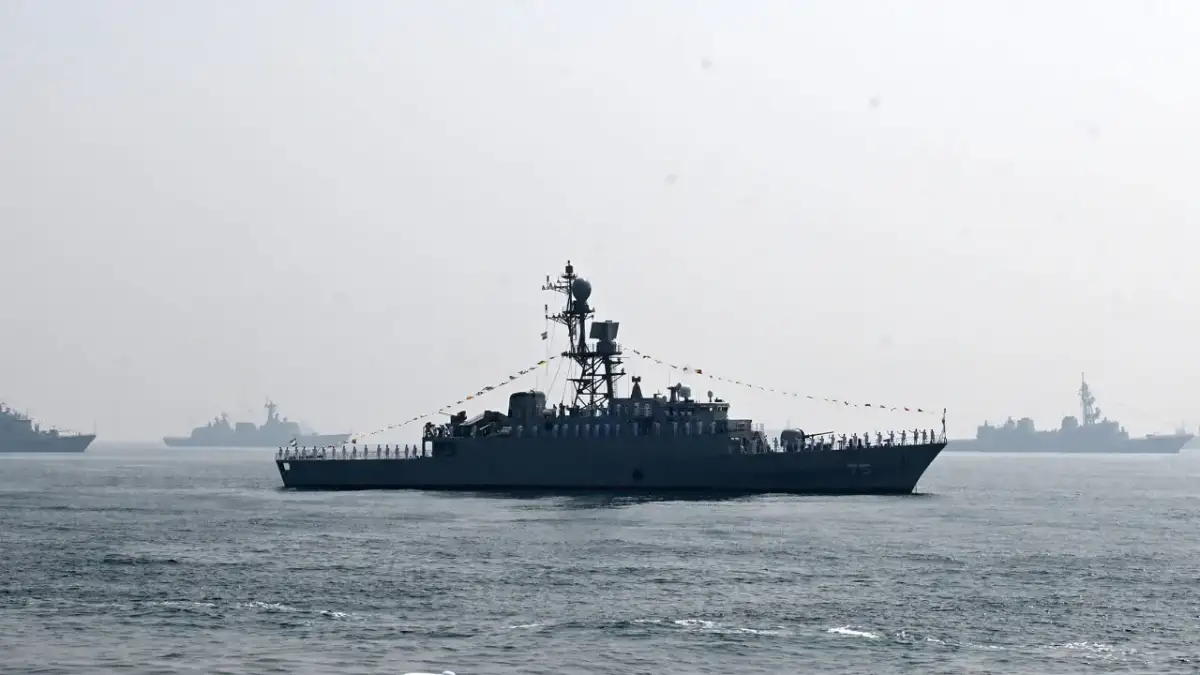
Sri Lankan authorities confirmed the recovery of 87 bodies and the rescue of 32 survivors from the sunken vessel. The search for missing crew members continues. The incident marks a rare instance of a submarine-launched torpedo attack on a ship since World War II.

Strategic Waters, International Action
The operational zone where the IRIS Dena was sunk, though considered within India's "strategic waters," lay outside its direct maritime jurisdiction. Experts have pointed out that the U.S. deliberately chose waters proximate to India but not under its immediate control. This decision underscores the complex geopolitical currents swirling in the Indian Ocean, a region increasingly defined by its connection to broader global conflicts, including the tensions between Iran, Israel, and the United States.
The U.S. Department of Defense confirmed the strike, with Defense Secretary Pete Hegseth describing the attack as a "quiet death." This event has heightened regional security concerns, prompting calls from figures like Sri Lankan MP Namal Rajapaksa for greater transparency and dialogue on Indian Ocean security. Opposition leader Rahul Gandhi has also publicly questioned the government's silence on the matter.
Read More: Tibetan Permafrost Thaw Releases Ancient Carbon, Risks Climate Tipping Point
Background: The MILAN Exercise and Broader Tensions
Exercise MILAN is a biennial event aimed at fostering maritime cooperation. While the U.S. did not send a surface warship to this year's MILAN, its actions shortly after the exercise have put New Delhi in a delicate diplomatic position. The sinking of the IRIS Dena occurs against a backdrop of ongoing disruptions to global energy trade and heightened security risks in the Indian Ocean, consequences attributed to the wider Iran-Israel-U.S. conflict.