Persistent Hardship for Rescued Workers
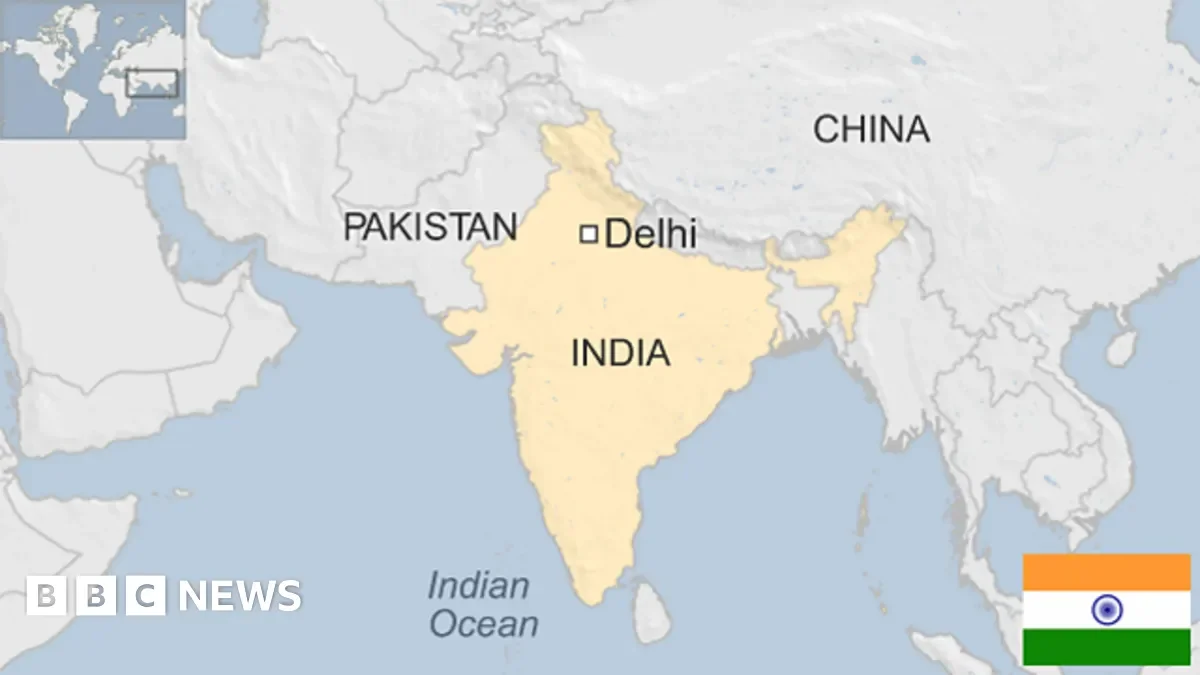
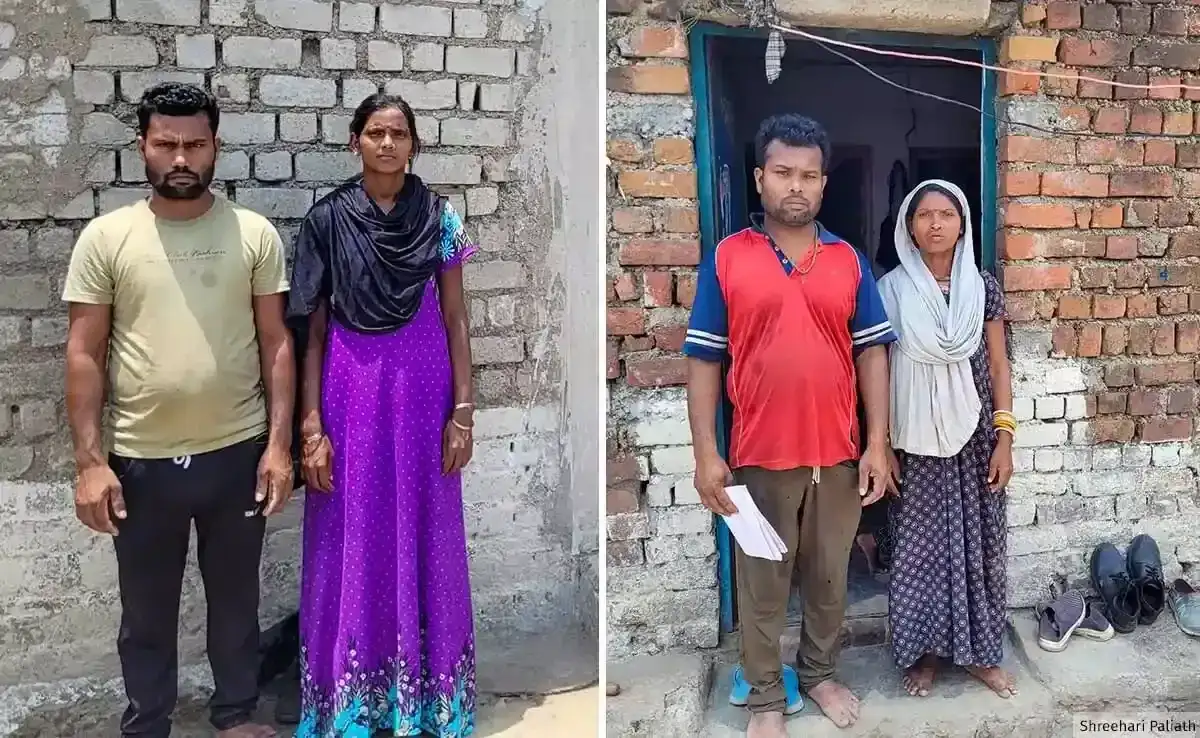
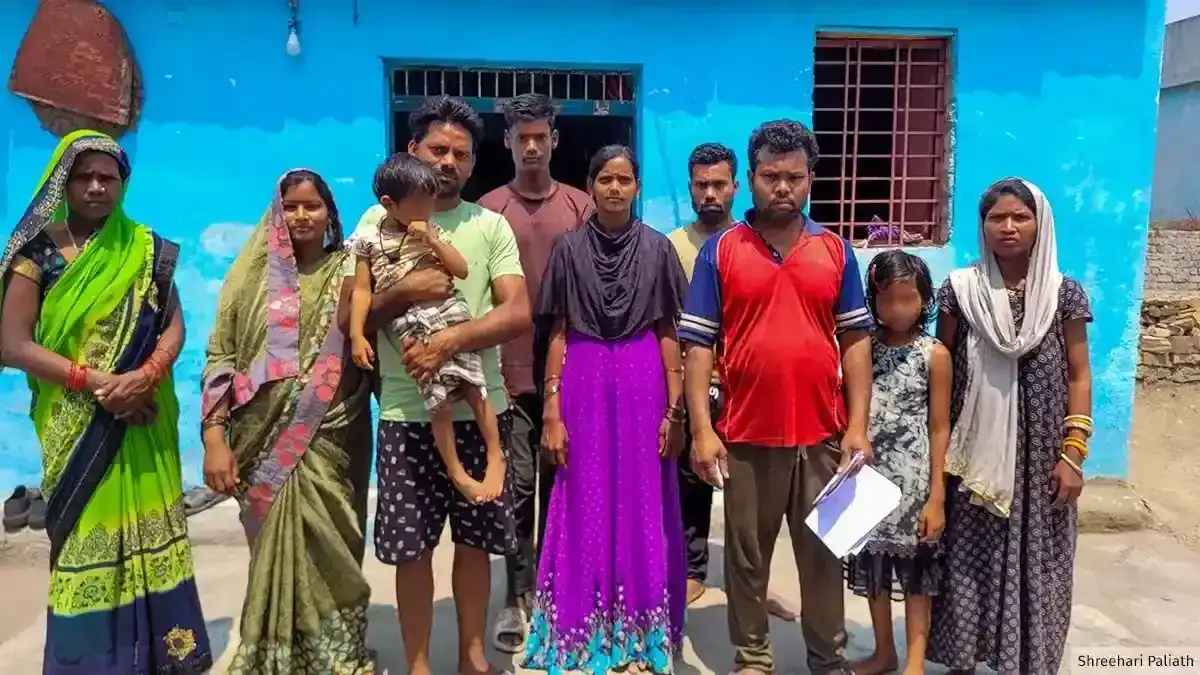
Stories from regions like Odisha highlight the urgent, yet often unmet, need for lasting solutions for those freed from bonded labour. Many rescued individuals describe continued fear and a lack of timely support following their liberation. The promise of steady income, even if meager, is often replaced by uncertainty when escape from coercive work situations is achieved. This situation underscores a significant gap between rescue efforts and the provision of durable freedom.
Background and Key Issues
Bonded labour, defined as forced work extracted due to debt, advance payments, or social obligations, remains a stark reality in India, despite legal provisions aiming to abolish it. The practice is deeply interwoven with socio-economic inequalities. Constitutional Article 23 explicitly prohibits forced labour. However, decades after laws were enacted to free bonded labourers and cancel their debts, the reality on the ground suggests freedom is often temporary.
Read More: Young People Feel Let Down by Economy and Healthcare Costs
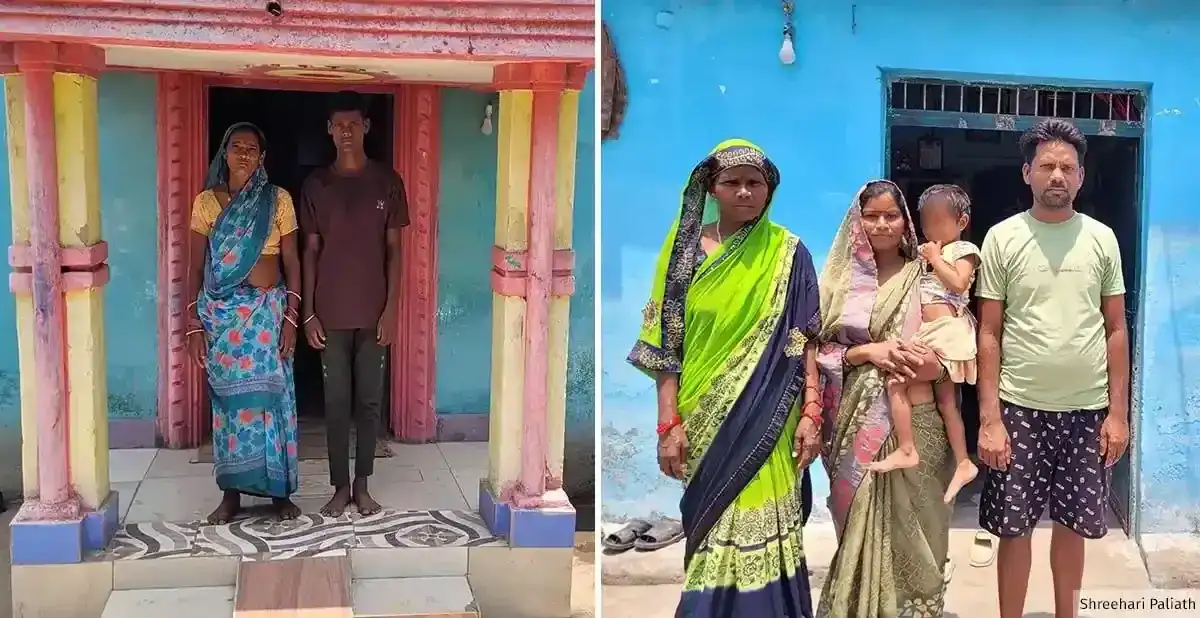
Definition: Forced work under coercion due to debt, advance payments, or social obligation.
Legal Framework: Article 23 of the Constitution prohibits forced labour. The Bonded Labour System (Abolition) Act aims to free workers and liquidate debts.
Prevalence: Despite legal abolition, bonded labour persists widely.
Contributing Factors: Socio-economic disparities are cited as deep roots of the problem.
Challenges in Identification and Rescue
Identifying individuals trapped in bonded labour presents substantial difficulties. Activists note that officials sometimes confuse bonded labour with child labour, leading to misclassification and potentially hindering proper intervention. The subtle nature of modern bondage, coupled with fear and lack of awareness among victims, contributes to many cases going unreported.
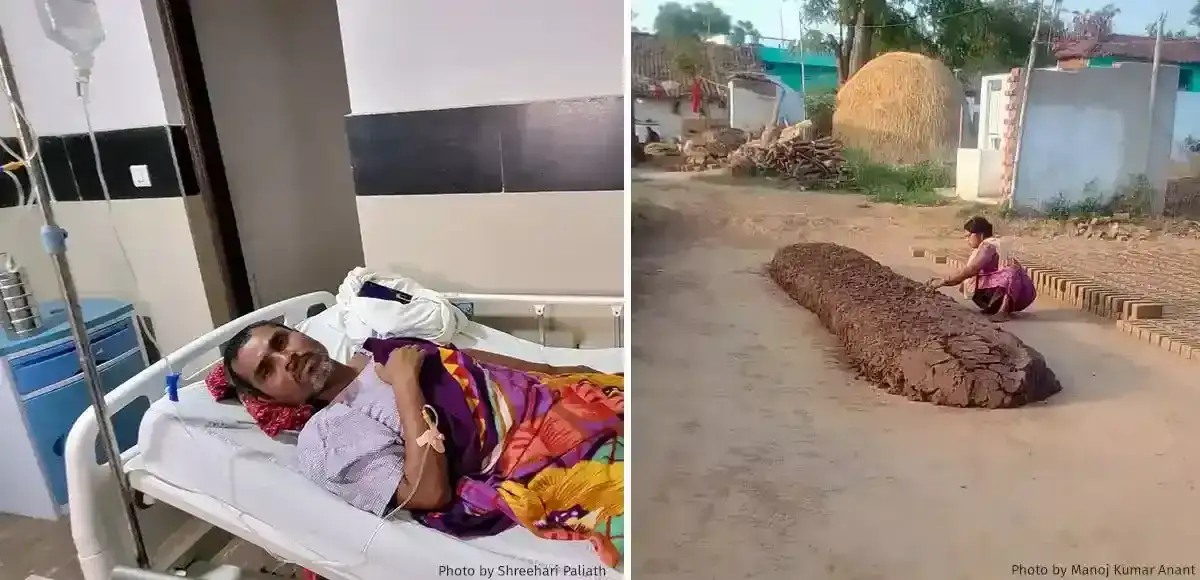
Identification Hurdles: Cases often go unreported due to fear, lack of awareness, or the subtle nature of the exploitation.
Official Confusion: Some officials reportedly confuse bonded labour with child labour, impacting correct identification.
Study Gaps: Reports indicate that studies have failed to identify bonded labourers in certain areas, suggesting limitations in detection methods.
Rehabilitation Gaps and Vulnerability
A critical challenge lies in the rehabilitation of rescued labourers. Experts and activists point to systemic failures in programs designed to provide genuine economic independence. These programs are often seen as lacking the necessary scale and long-term sustainability.
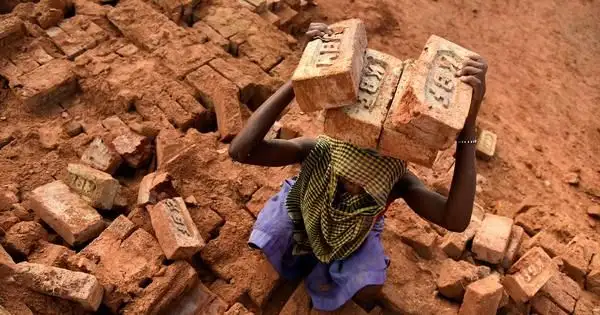
Rehabilitation Program Shortcomings: Programs are often not large-scale or sustainable enough for true economic independence.
Limited Support: Insufficient land redistribution, inadequate access to credit, and a lack of skill development initiatives leave freed labourers vulnerable.
Delayed Assistance: Delays in rehabilitation efforts can undermine the effectiveness of rescue operations.
Financial Support and Documentation
The existing schemes outline financial assistance and formal recognition for rescued individuals. Upon release, bonded labourers are meant to receive immediate cash aid, a bonded labour release certificate (BLRC), and rehabilitation funds ranging from ₹1 lakh to ₹3 lakh, depending on factors like exploitation level, age, and gender. However, the actual reception of these certificates and funds appears inconsistent.
Read More: Heatwave Warning: Dehydration and Heatstroke Risks Rise in India
Intended Support: Cash assistance, BLRC, and rehabilitation funds (₹1 lakh to ₹3 lakh).
Actual Outcome: Some rescued individuals have not received their release certificates, a document crucial for accessing long-term support.
State-Level Responses and Denials
The response to bonded labour varies across states. Some states reportedly deny the existence of bonded labour within their borders, which can delay necessary rehabilitation and legal actions. This denial can create a barrier to acknowledging the problem and implementing effective solutions.
State Denial: Some states are reported to deny the existence of bonded labour.
Impact of Denial: Such denials can postpone rehabilitation and legal measures.
Expert Perspectives
Nirmal Gorana, convener of the National Campaign Committee for Eradication of Bonded Labour, highlights the misidentification of cases by officials and the inadequacy of the current scheme, which he describes as merely a "guiding document." The broader sentiment among activists and experts is that freedom from bonded labour should not be a temporary relief but a permanent state.
"They [officials] confuse them with child labour when they are bonded," - Nirmal Gorana, Convener, National Campaign Committee for Eradication of Bonded Labour.
"The stories emerging from Odisha underscore the urgent need for a renewed commitment to not only abolish bonded labour but to ensure that freedom from it is not a temporary reprieve, but a permanent reality." - IndiaVision
Conclusion and Way Forward
The fight against bonded labour in India is marked by a significant disconnect between rescue operations and effective, lasting rehabilitation. While legal frameworks exist to abolish the practice, systemic failures in identification, a lack of sustained support, and varying state-level responses impede the eradication of forced labour.
Read More: 9-Year-Old Girl's Facial Hair: When to Remove Peach Fuzz?
Key Findings: Rescued labourers often face continued insecurity. Rehabilitation programs lack the necessary scale and sustainability. Identification methods require improvement.
Implications: The current approach risks leaving vulnerable populations susceptible to re-exploitation, undermining the very goal of liberation.
Next Steps: A renewed commitment is needed to ensure identification is accurate, rehabilitation programs are robust and scalable, and that freed individuals receive timely and comprehensive support to achieve permanent freedom from bonded labour.
Sources Used:
Article 1: A temporary relief from bonded labour - The Hindu (https://www.thehindu.com/news/national/odisha/spotlight-on-a-temporary-relief-from-bonded-labour/article70651811.ece)
Article 2: A temporary relief from bonded labour - IndiaVision (https://www.indiavision.com/national/a-temporary-relief-from-bonded-labour/599518/)
Article 3: India’s efforts to rescue bonded labourers undone by delayed rehabilitation - Scroll.in (https://scroll.in/article/1083349/indias-efforts-to-rescue-bonded-labourers-undone-by-delayed-rehabilitation)
Article 4: India’s Fight against Bonded Labour: A Tale of Delayed Rehabilitation - MoneyLife (https://www.moneylife.in/article/indias-fight-against-bonded-labour-a-tale-of-delayed-rehabilitation/77357.html)
Article 5: Bonded Labour in India - Insights on India (https://www.insightsonindia.com/2025/05/01/bonded-labour-in-india/)
Article 6: Addressing Bonded Labour in India: Legal and Social Measures - PolSci Institute (https://polsci.institute/human-security/addressing-bonded-labour-india/)
Article 7: Bonded Labour in India: 50 Years After Abolition, Freedom Remains Elusive - Frontline (https://frontline.thehindu.com/social-issues/social-justice/bonded-labour-india-50-years-abolition-law-failure/article70561564.ece)